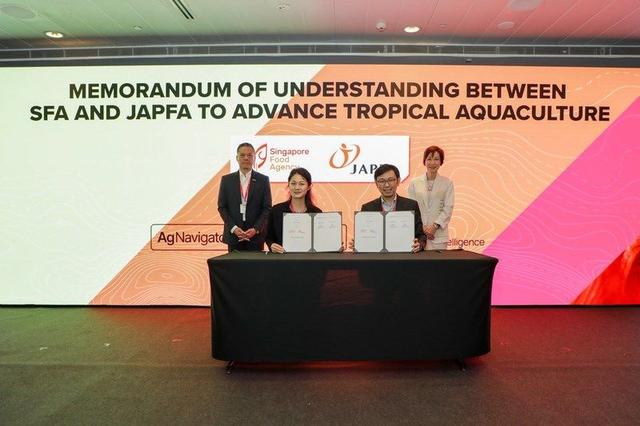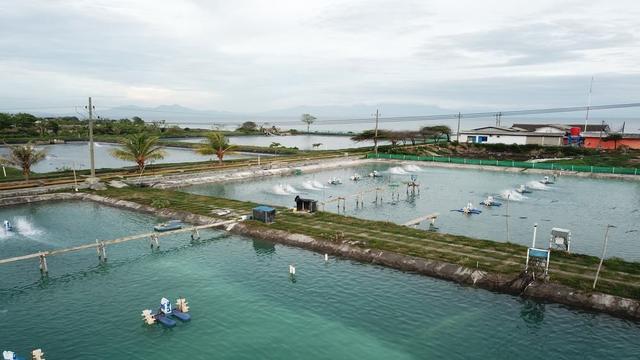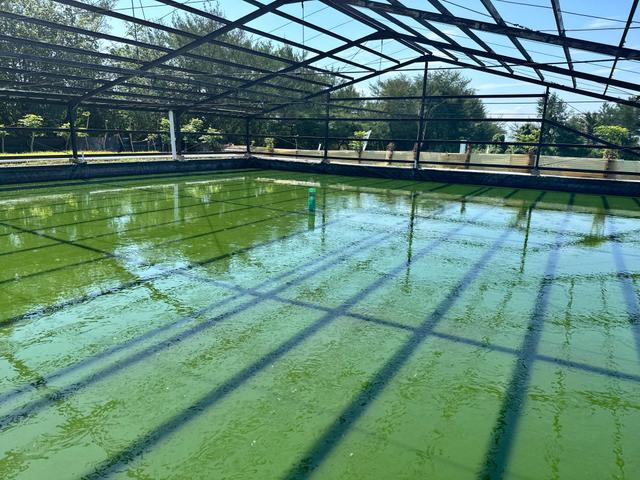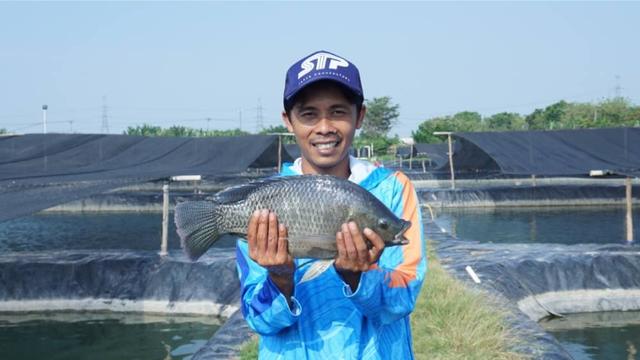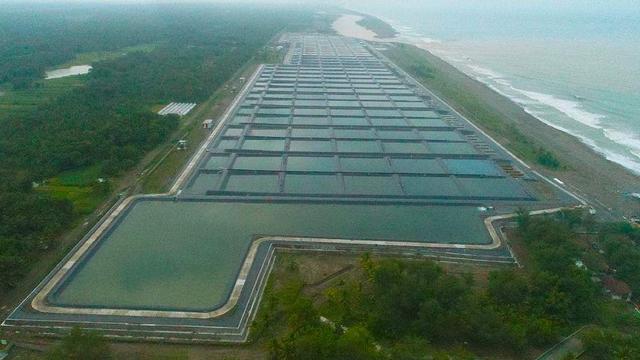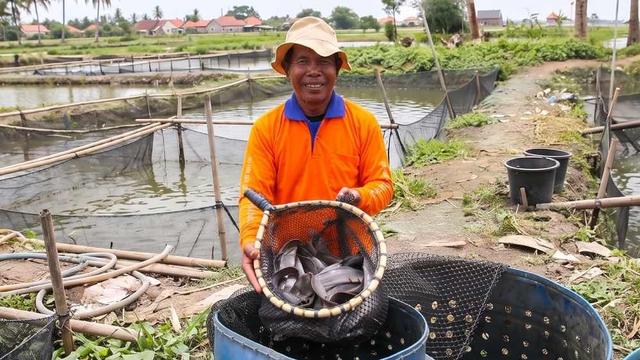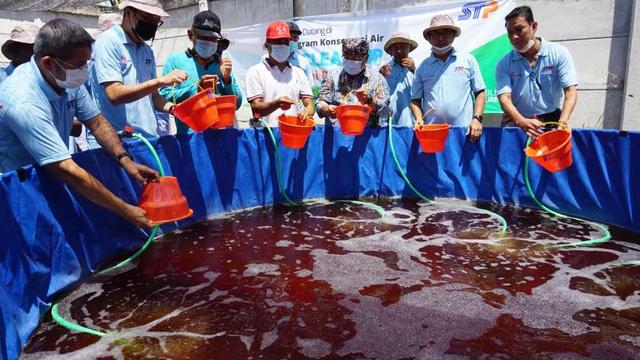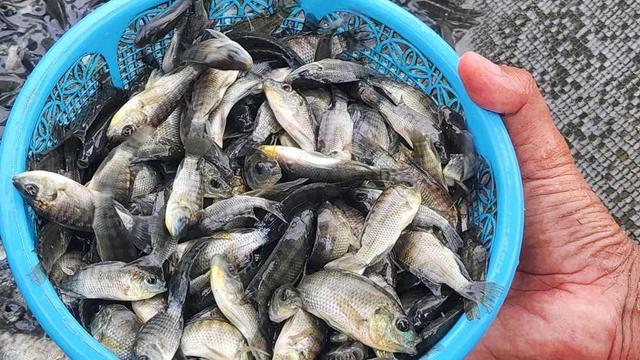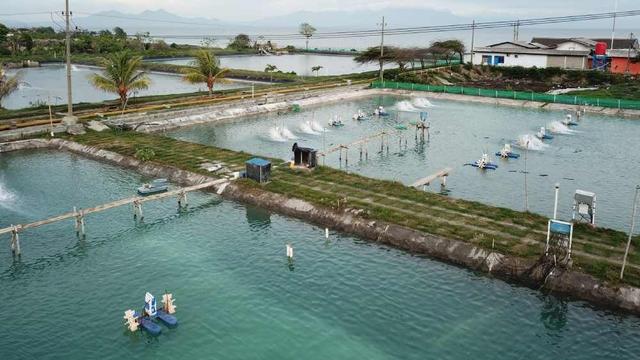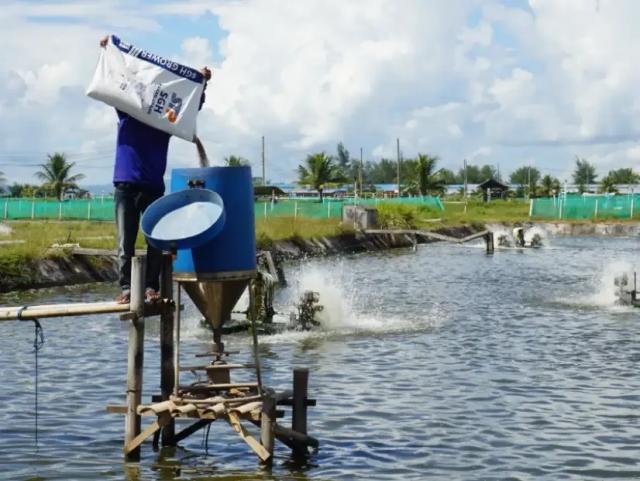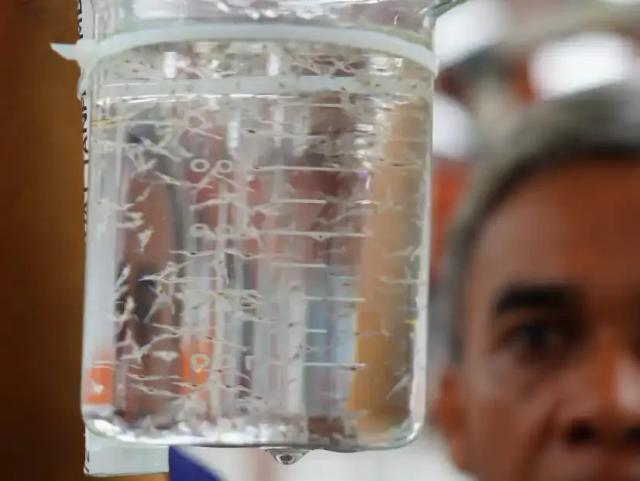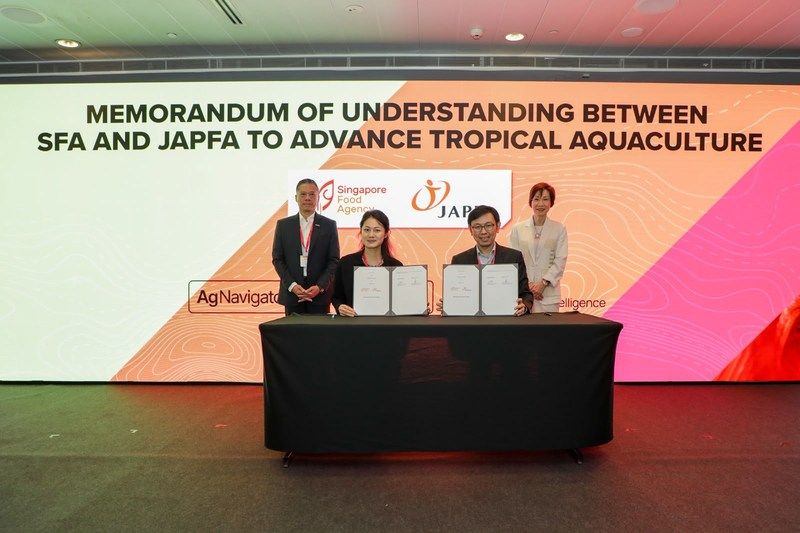
The Singapore Food Agency (SFA) and Japfa Pte. Ltd. (JAPFA) signed a Memorandum of Understanding on 27 October 2026 to explore and develop a strategic R&D partnership in tropical aquaculture. The partnership targets two areas: aquatic health together with disease management, and digital technologies. Potential areas of collaboration include AI-enabled disease monitoring and diagnostics, AI-enabled farm decision-making, and traceability. JAPFA runs its aquaculture business through PT Suri Tani Pemuka (STP), which means anything that comes out of this work has a route to ponds and farms in Indonesia.
One point is worth making early. An MOU is an agreement to explore, not a product launch. What has been signed is a framework for working together; the solutions themselves are still to be developed. Even so, the direction chosen says a good deal about where the industry is heading.
The two focus areas
The first is aquatic health and disease management. That is not a surprising choice. In both shrimp and fish farming, disease remains the largest and least predictable source of loss, and the damage is usually visible only once it is too late to act.
The second is digital technology, with three strands named as potential areas of collaboration: AI-enabled disease monitoring and diagnostics, AI-enabled farm decision-making, and traceability systems that allow a product to be traced from pond to plate.
The partnership is also open to Singapore’s research institutions, technology providers, and industry partners, which can join in co-developing solutions for earlier detection of disease and environmental risk, and for more efficient farm management.
Why early detection sits at the centre
For producers, the most interesting word in this agreement is earlier.
Detection has so far been built around confirming disease that is already established. Samples go out, results come back, and by the time the answer arrives a share of the loss has usually happened. With something like early mortality in shrimp, a gap of two or three days in confirming the cause often decides whether a pond can still be saved or has to be emergency-harvested.
The approach being explored shifts the target. Instead of confirming disease, it looks for early indicators that the animals are coming under stress, before the disease itself takes hold. The emphasis moves from confirmation to anticipation. In the field that difference is substantial, because prevention has always been far cheaper than managing an outbreak.
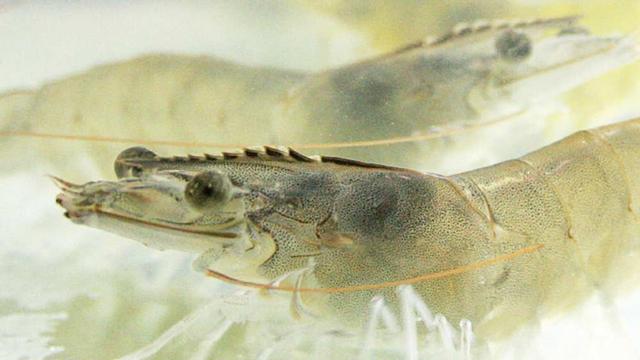
Experienced farmers already know what the early signals look like: appetite dropping without obvious cause, an empty gut, a paling hepatopancreas. What technology offers is the ability to read those signals faster, more consistently, and across more ponds than manual observation allows. The groundwork for recognising them, alongside post-larvae selection, is covered in the guide on vannamei shrimp post-larvae and disease management.
Where STP fits
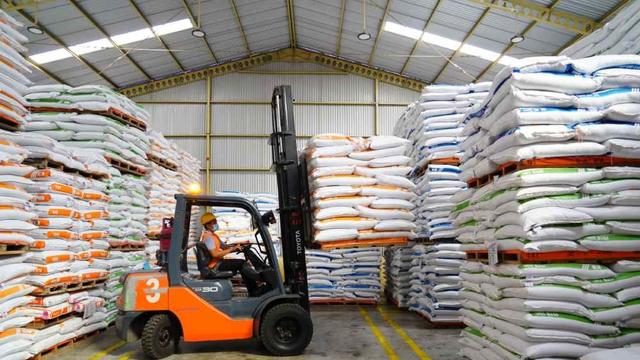
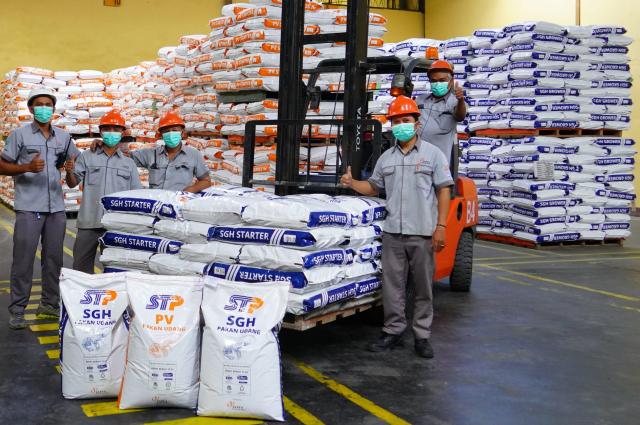
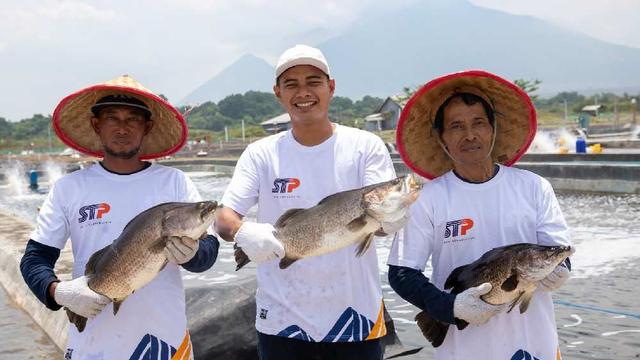
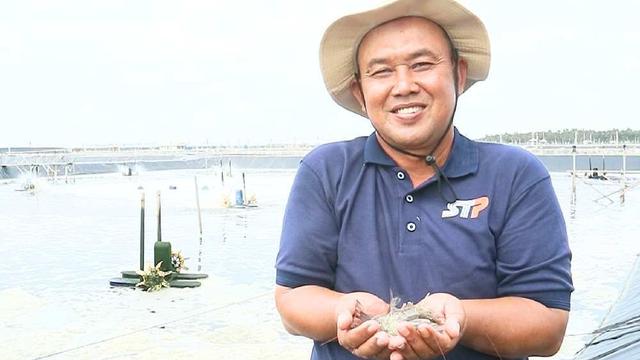
The release describes STP as a total solution provider in aquaculture, integrating feed manufacturing, hatchery operations, technical laboratory support, and digital farming innovation. Those four pieces explain why STP is relevant to a partnership built around health and digitalisation.
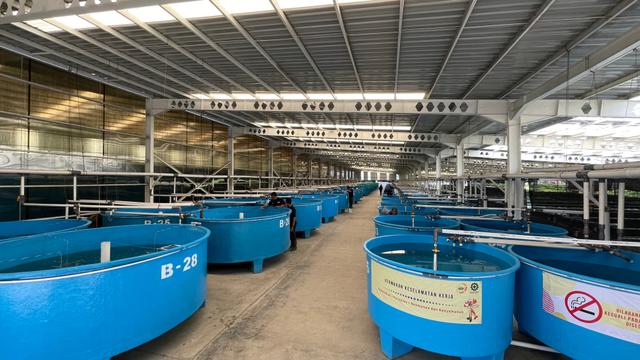
On the hatchery side, STP produces Super PL post-larvae reared to the PL30 stage from SPF F1 broodstock, in facilities running strict biosecurity and quarantine systems. Seed quality is the starting point that shapes an entire cycle, and it is where health management effectively begins.
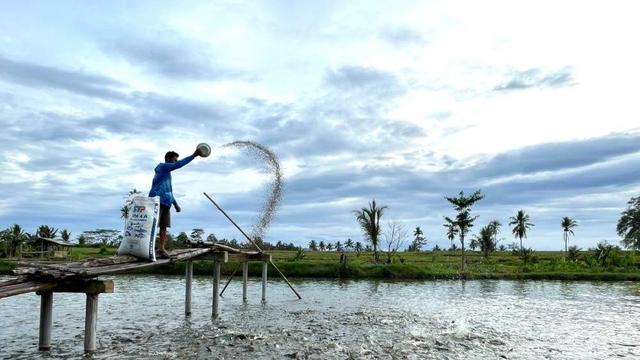
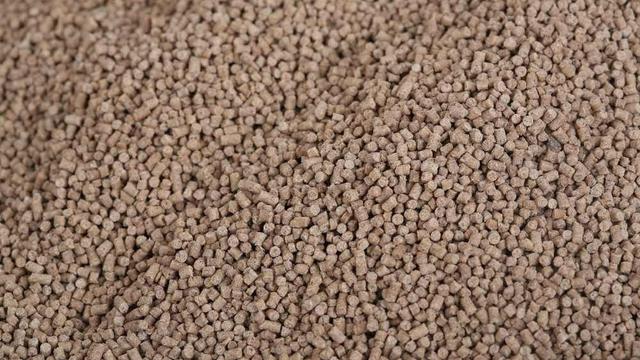
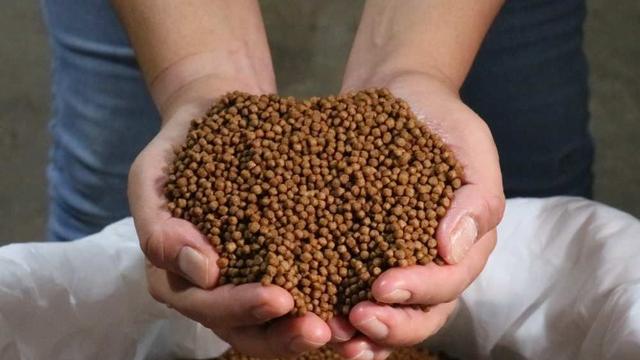
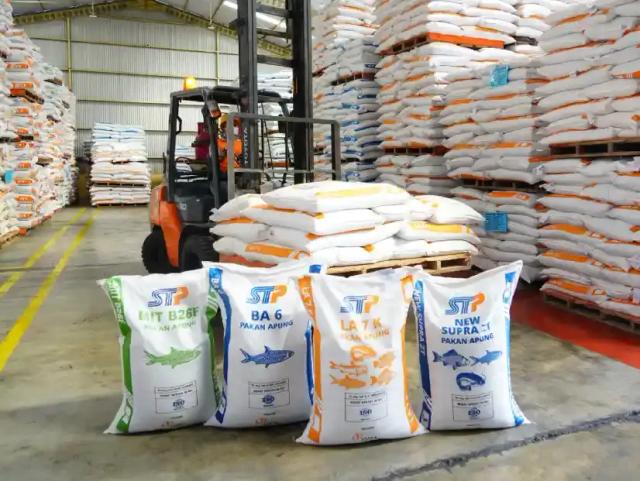
On the feed side, STP’s range is tiered to follow the shrimp’s growth phases, so protein levels can be matched to what the animals actually need at each stage. Feed works in two directions where health is concerned: it supports the shrimp’s own defences, and it determines how much organic load enters the water. The phase-by-phase detail is set out in the guide on vannamei shrimp feed management.
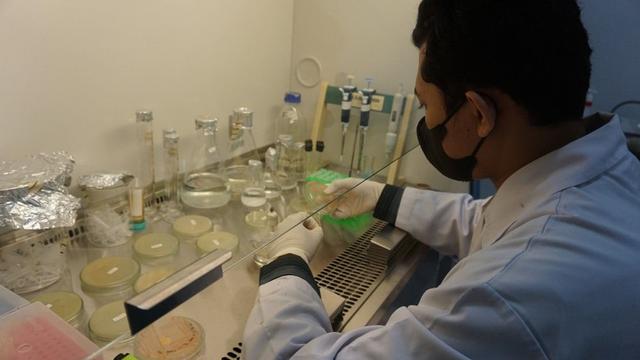
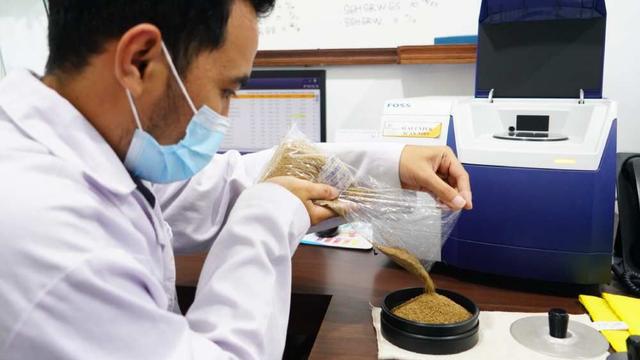
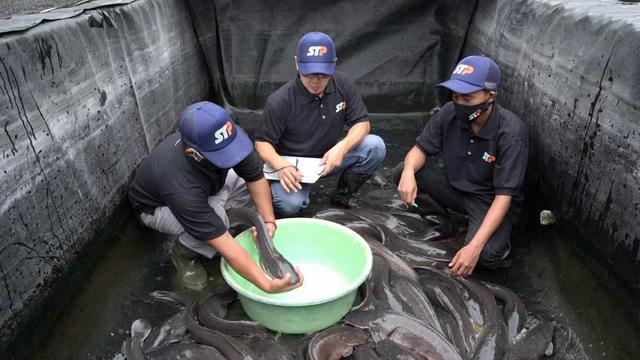
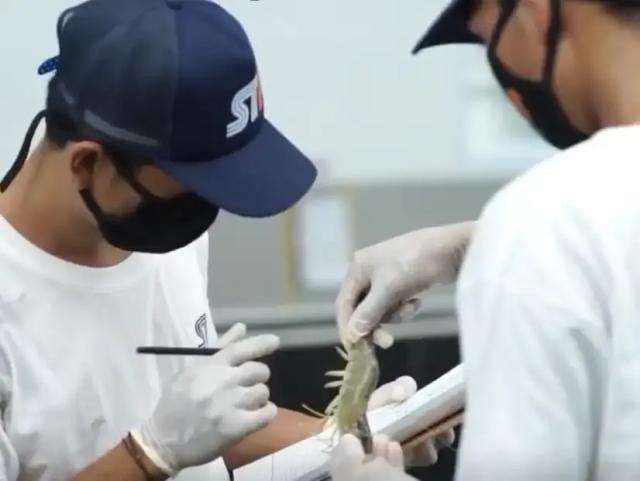
On the laboratory side, STP operates a Mobile Diagnostic Lab that brings examination to the farm itself, so results do not depend on shipping samples to a distant city. Of everything STP already runs, this sits closest to the early-detection agenda in the MOU.
What both sides said
Mr Damian Chan, Chief Executive Officer of SFA, framed the partnership around usefulness rather than novelty. “The value of R&D lies in translating scientific innovation into practical solutions that can address real-world farming needs,” he said, adding that combining Singapore’s research capabilities with JAPFA’s operational, technological, and commercial scale should accelerate the development and adoption of solutions in aquatic health, disease management, and digital aquaculture.
Ms Gabriella Santosa, Director and Chief Operating Officer, Corporate Shared Services at Japfa Pte Ltd, pointed to the link between research and the realities of production. “Advances in aquaculture work best when research and production go hand in hand,” she said, noting that she looks forward to exploring solutions with SFA and Singapore’s research community.
Both statements point the same way: research tested against real farming conditions rather than laboratory conditions alone. It also explains the emphasis on tropical. Temperature, salinity, and disease pressure in the tropics differ from the subtropical regions where much aquaculture technology has been developed, and solutions rarely transfer unchanged.
What it means for producers
In the short term, nothing changes at pond level. The MOU is a framework, and the solutions under discussion are still to be built.
Over the medium term, two things are worth preparing for. The first is that data-led monitoring will reward farms that already keep records. No system can read a pattern that was never written down, so a daily log covering water quality, feed quantities, and animal behaviour becomes an asset whose value rises as these tools arrive. The second is that feed and seed specifications are likely to become more location-specific, since water character and disease pressure genuinely differ between regions.
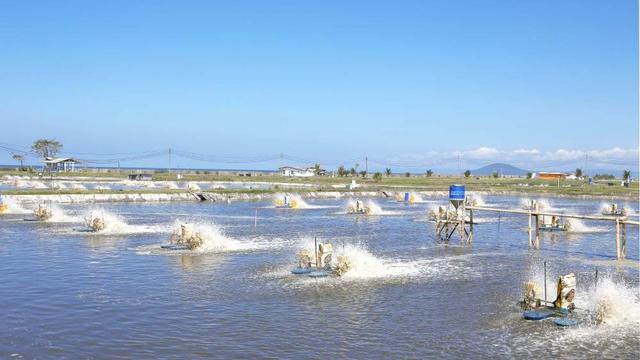
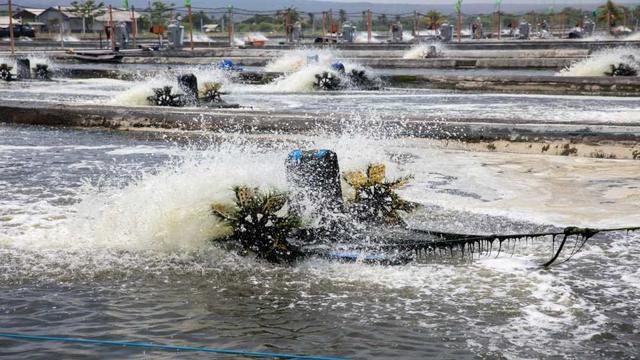
What can be done now needs no new technology at all: keep stocking density within what the aeration can actually support, control feeding rates so the pond bottom does not foul, and check dissolved oxygen before dawn rather than only during the day. The underlying management principles are set out in the guide on how to cultivate vannamei shrimp.
FAQ
What does the SFA and JAPFA MOU cover?
An agreement to explore and develop a strategic R&D partnership in tropical aquaculture, focused on aquatic health and disease management, and on digital technologies. It was signed on 27 October 2026.
How is STP involved?
JAPFA runs its aquaculture business through PT Suri Tani Pemuka. The release describes STP as integrating feed manufacturing, hatchery operations, technical laboratory support, and digital farming innovation, which places it where research meets commercial practice.
Is there technology farmers can use from this today?
Not yet. The MOU is an agreement to explore, and the solutions are still to be developed. What is available now is on-site technical support and laboratory examination at the farm.
Source
Joint press release by the Singapore Food Agency and Japfa Pte. Ltd., 27 October 2026, “SFA and JAPFA Sign MOU to Advance Tropical Aquaculture”.