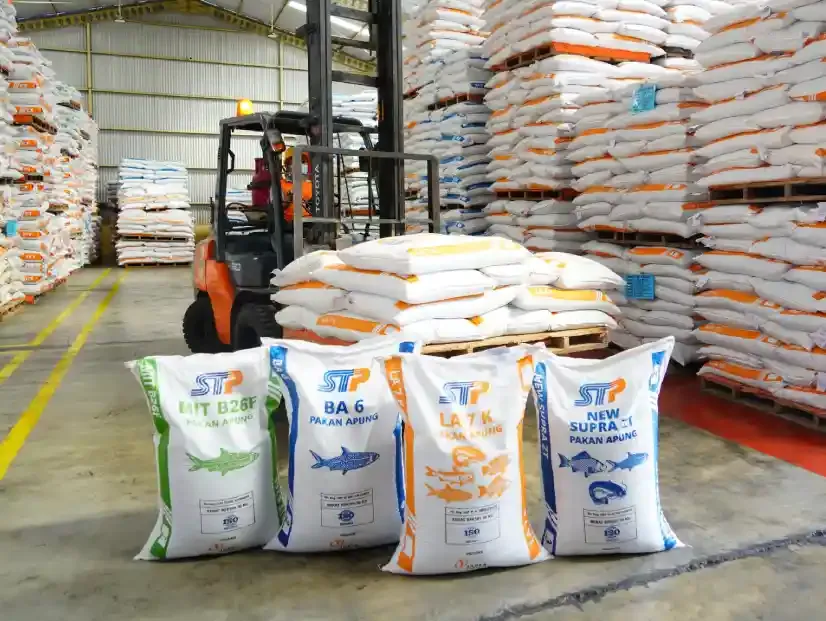
This guide explores optimal nutritional strategies using STP aquaculture feed, specifically designed to accelerate growth and enhance the immunity of various fish species. By implementing strict FCR control, cultivators can ensure production cost efficiency and high-quality harvest yields.
Amidst the rapid development of the aquaculture industry in Indonesia, the demand for high-quality fish feed has become a primary concern for farmers. Feed is no longer seen as a mere supplement in the cultivation process but as a decisive factor affecting growth, health, and overall harvest quality. In this context, PT Suri Tani Pemuka (STP), as a vital part of the national aquaculture ecosystem, offers a scientifically designed and field-tested solution. With a long-standing history since 1987, STP has dedicated itself to supporting farmer productivity through the provision of feed that is not only nutritionally superior but also integrated with the specific needs of the field.
As part of the JAPFA Group, STP develops an integrated aquaculture approach from upstream to downstream. This means the process does not stop at feed production; it encompasses breeding, cultivation, and fishery processing. This integrated approach provides a unique advantage because every feed product has passed various testing stages, both in laboratories and in real-world environments, allowing it to adapt to the diverse environmental conditions throughout Indonesia. STP is recognized as an industry leader that provides holistic solutions rather than just selling products. The primary focus of STP in developing aquaculture feed lies in the balance of nutrients and feed efficiency. Every formulation is designed to meet the specific requirements of fish across various growth phases, from seedlings to the growing period. This research-based approach ensures that the feed not only drives optimal growth but also helps maintain water quality and minimizes the waste often caused by improper feeding.
What Sets STP Feed Apart from Standard Feed?
In an increasingly competitive aquaculture industry, feed selection can no longer be done haphazardly. Farmers are becoming more selective, choosing products that provide a tangible impact on fish growth and production cost efficiency. STP feed holds a strong market position because it offers research-backed solutions and extensive industry experience. This superiority is born from a combination of nutritional formulation, production quality, and a deep understanding of field conditions.
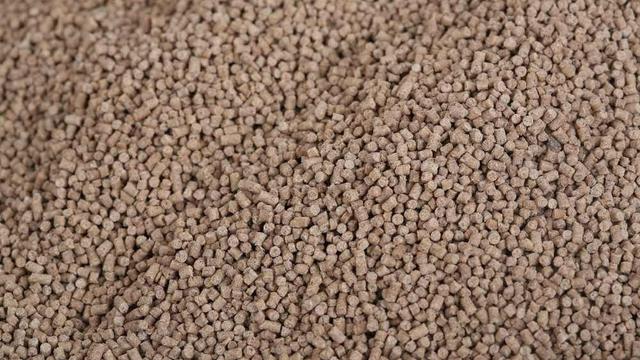
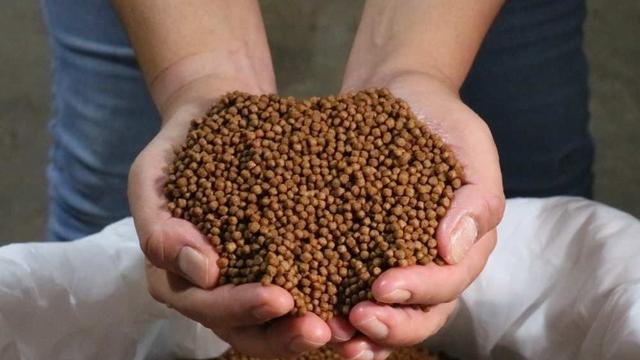
A primary indicator of feed success is the Feed Conversion Ratio (FCR), which measures how efficiently feed is converted into fish weight. STP feed is designed with balanced nutritional compositions including protein, fat, and fiber tailored to the needs of the fish in each growth phase. This formulation ensures that every pellet is maximized by the fish. Due to its high digestibility, nutrients are absorbed more effectively, minimizing uneaten waste. Consequently, farmers can lower operational costs as feed usage becomes more efficient, a crucial factor in maintaining business sustainability amidst fluctuating raw material prices.
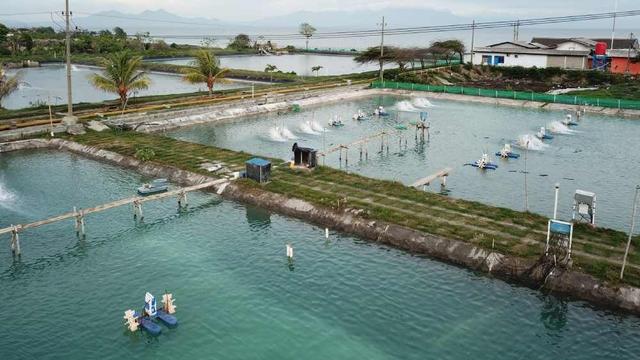
Beyond efficiency, maintaining water quality is a significant challenge in aquaculture. Feed that easily disintegrates or remains uneaten can increase organic waste in the pond, leading to water degradation and increased disease risk. STP feed is formulated with physical structures that remain stable in the water, ensuring they stay attractive to the fish for longer. This reduces sediment buildup and suppresses the accumulation of nitrogen and phosphorus. With better water quality, the cultivation environment remains stable, allowing fish to thrive in optimal conditions and minimizing the risk of financial loss due to mortality.
Feed Variants for Every Growth Phase
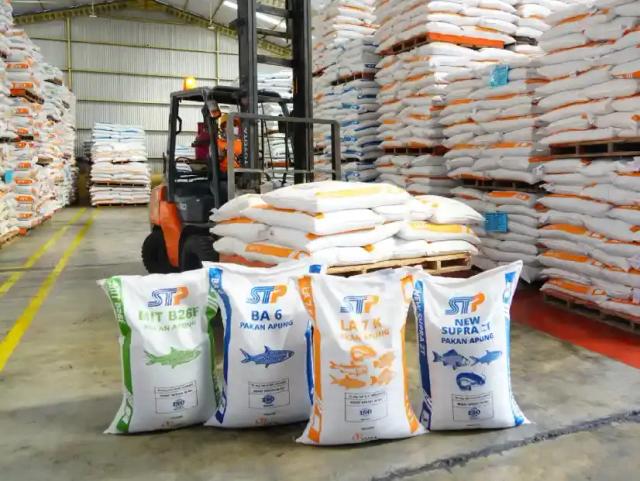
Successful harvests are determined by the precision of feeding strategies at each growth stage. Each phase has different nutritional requirements, and using a single type of feed throughout the cycle can stunt growth. STP provides specialized variants to accompany cultivators from the initial phase through to harvest, ensuring that fish receive the correct nutritional intake according to their biological development.
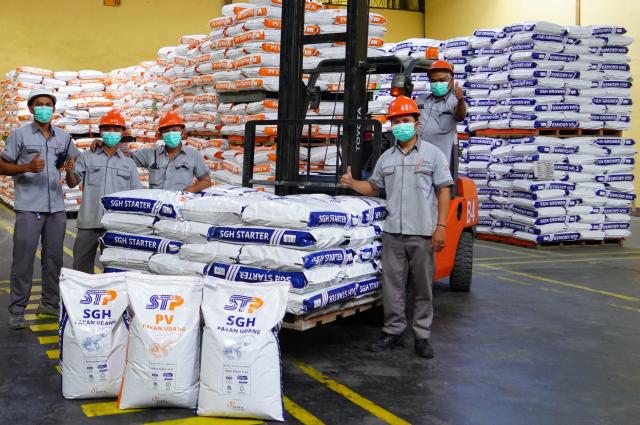
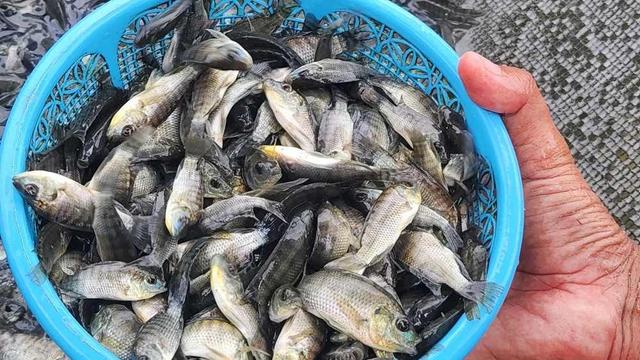
In the Starter Phase, fish are highly vulnerable to environmental changes and pathogens. Therefore, STP starter feed focuses on supporting the immune system and ensuring high survival rates. These feeds are often provided in crumble or powder form to accommodate the limited mouth size of young seedlings. The nutrient density is higher, particularly in protein and essential components for tissue formation, helping the seedlings adapt and resist stress.
As the fish enter the Grower Phase, the focus shifts toward weight acceleration. Nutritional needs are adjusted to support the efficient conversion of feed into meat. STP grower pellets are designed with balanced protein, energy, and fat, allowing fish to grow rapidly without compromising health. High digestibility ensures the feed is utilized optimally, resulting in a more efficient FCR. This is critical for farmers, as the grower phase involves the highest volume of feed consumption.
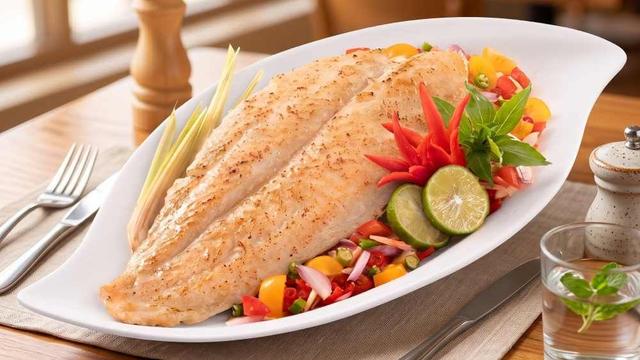
In the Pre-Harvest Phase, the objective is to maximize weight and meat quality. STP pre-harvest feed is formulated to support the formation of dense meat, good texture, and uniform sizing. This is vital for farmers targeting markets with specific quality standards. The feed is designed to maintain efficiency without causing excessive fat buildup, ensuring that the harvest is superior in both quantity and quality.
Integrated Technical Support and Innovation
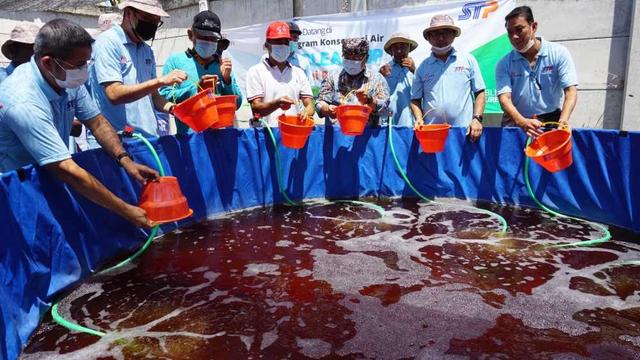
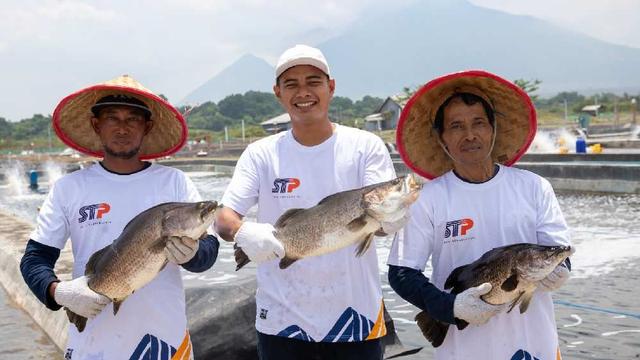
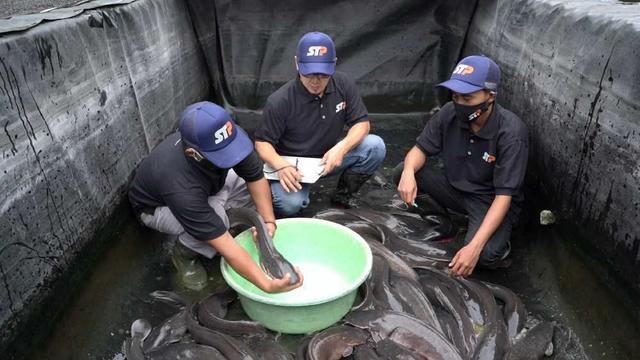
In practice, the challenges faced by farmers go beyond choosing the right feed; they involve pond management, water quality maintenance, and disease prevention. STP acts as a strategic partner by providing technical assistance directly in the field. STP’s experienced technical teams offer consultations on feed management and efficient cultivation strategies tailored to the specific conditions of each pond.
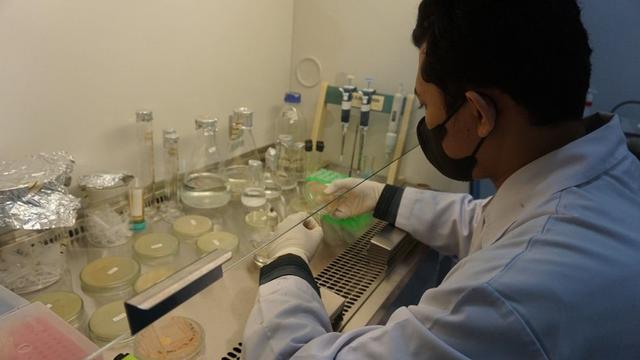
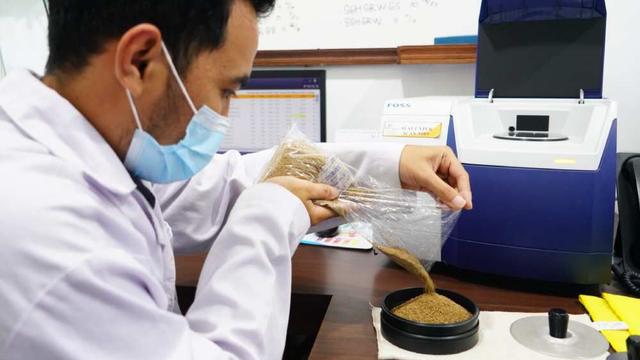
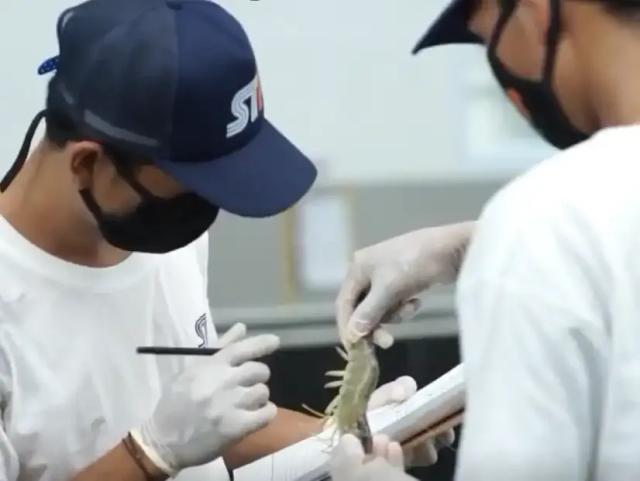
Furthermore, STP is supported by the Japfa Aquaculture Mobile Lab, providing diagnostic services for fish health and environmental quality. This technology allows farmers to quickly identify potential issues, such as declining water quality or signs of disease, before they lead to significant losses. Behind this consistent performance lies a foundation of research and innovation. Every product is designed through laboratory testing followed by field trials to ensure effectiveness in real-world conditions. STP also collaborates with research institutions to ensure its formulations remain at the cutting edge of the industry.
Choosing the best aquaculture feed is an investment in the final outcome of the harvest. Selecting the wrong feed can lead to slow growth, poor water quality, and high mortality rates. STP answers these needs with a holistic approach that covers nutritional formulation, FCR efficiency, and environmental stability. By investing in a proven and adaptive system, farmers can maximize growth potential while ensuring long-term business sustainability, turning every cultivation cycle into an opportunity for more abundant and profitable harvests.