Tilapia Farming for Beginners: From Fingerling to Harvest
General • 2026-08-11
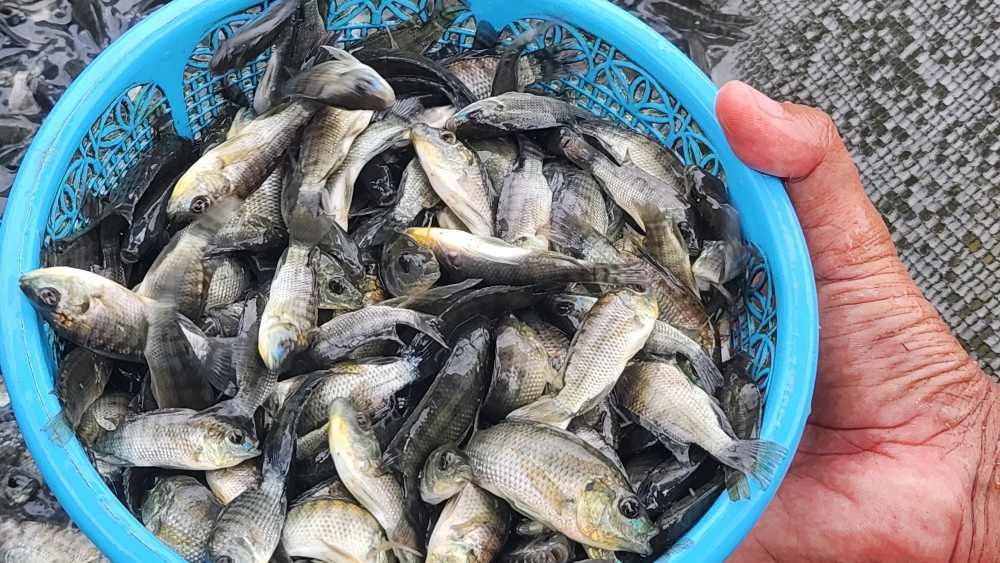
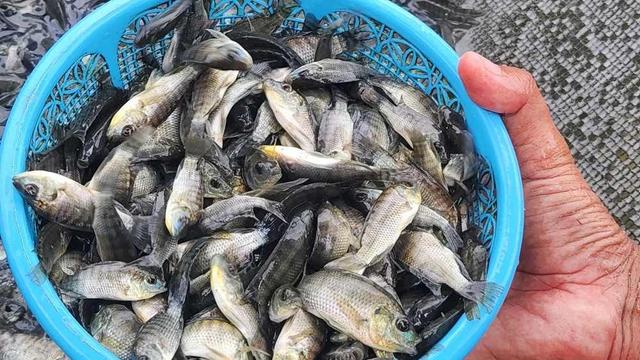
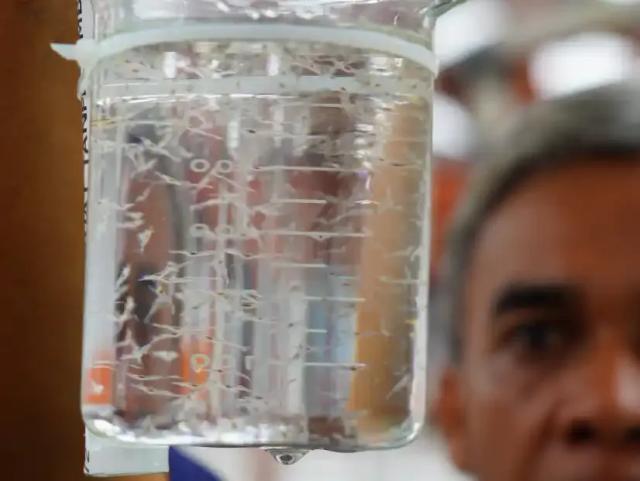
Tilapia fingerlings come in several popular strains, including Nirwana, GESIT, Larasati, Sultana, and Srikandi. Healthy seed usually moves briskly, comes in uniform sizes, is free of injury, shows bright coloring, and responds eagerly at feeding time.
Tilapia is a favorite among people just learning freshwater fish farming. It’s hardy, grows fast, eats almost any feed, and always has a market because its meat is popular from food stalls to restaurants. Startup costs are relatively affordable, too-easy to try in anything from a backyard tarpaulin pond to a small earthen one.
Easy as it is, the harvest still hinges on getting the early steps right. Most beginners fail not because the care is complicated, but because they pick the wrong fingerlings or skip pond prep. This article guides you step by step-from choosing healthy fingerlings, prepping the pond, stocking seed, managing feed, and maintaining water quality, to harvest time.
A Look at Popular Tilapia Strains in Indonesia
In Indonesia, farmers rely on a handful of tilapia strains most often. You don’t need to memorize the technical details behind them-just know their practical traits so you can choose to fit your needs:
- Nirwana and GESIT - the most popular in the field because they grow fast and are easy to raise in various ponds and cages. Nirwana can reach 800 to 1,000 grams in 4 to 6 months, while GESIT runs a bit lighter, around 600 grams in 6 months, but is more feed-efficient because nearly its entire population is male, which grows faster than females. Seed for both is also the easiest to find on the market.
- Larasati - a red tilapia that resists disease with survival rates up to 90 percent, grows fast, and is feed-efficient. Its signature red color is popular with buyers, so demand stays fairly steady across many regions.
- Sultana - a strain whose seed demand has climbed lately thanks to its strong growth performance.
- Srikandi - a fit for coastal land because it tolerates salinity up to 30 ppt, grows fast, and resists disease. This strain is widely used to revive coastal ponds that had fallen out of use.
For beginners, Nirwana or GESIT is usually the safest pick, since the seed is easy to get and the care is already well understood by other farmers.
Why Tilapia Suit Beginners
Tilapia tolerate water conditions that aren’t always ideal. They can still survive at low oxygen levels and across a fairly wide temperature range-about 25 to 30 degrees Celsius-so the risk of mass die-offs is far lower than with more sensitive species.
Growth is fast, too, which keeps capital turning over quickly. That helps beginners learn from one cycle to the next without waiting too long to see results.
Choosing Quality Tilapia Fingerlings
Harvest quality starts with seed quality. Superior seed grows more uniformly, resists disease better, and lowers early-stage mortality. Cheap, buy-anything seed often stunts growth and blows up costs midway.
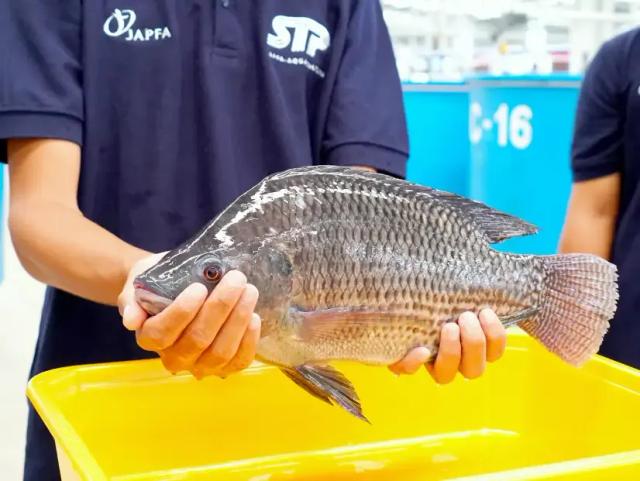
Here’s what healthy, stocking-ready tilapia seed looks like:
- Active, lively movement, swimming against the current rather than drifting limply at the surface
- Uniform size within the batch, so none dominate at feeding
- Bright, glossy body color-not pale or dull
- Smooth bodies free of defects, wounds, or white spots, with intact fins and tails
- Responsive at feeding, not clustering weakly in a corner
The seed source shapes the final result. Seed from STP’s hatchery-an aquaculture producer operating since 1987 and part of JAPFA-passes broodstock selection and quality control, so it’s more uniform and hardier than seed of unknown origin.
Preparing the Pond Before Stocking
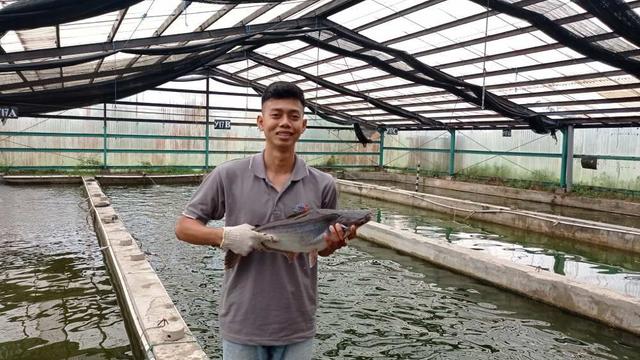
Tilapia can be farmed in earthen, tarpaulin, or concrete ponds. Earthen ponds have the edge because natural food like plankton grows on its own; tarpaulin ponds are cheaper and easy to move; concrete ponds are durable and easy to clean. Pick what fits your land and budget.
Whatever pond you choose, the basic prep is roughly the same:
- Dry and clean the pond bottom of mud and leftovers from the previous cycle.
- Apply dolomite lime at about 50 to 200 grams per square meter to stabilize pH and suppress disease agents.
- Fill the water gradually to a depth of 80 to 120 cm.
- Let the water rest for 5 to 7 days before stocking, so natural food starts to grow and conditions stabilize.
Stocking Seed the Right Way
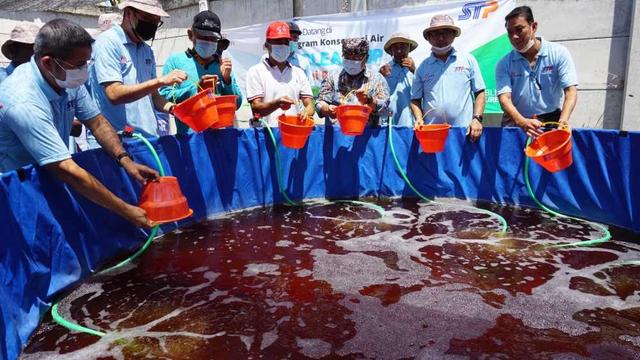
Don’t pour seed straight into the pond. Acclimate first by floating the seed bag on the pond surface for 15 to 30 minutes so the temperature adjusts to the pond water. Then mix a little pond water into the bag, wait a moment, and release the seed slowly.
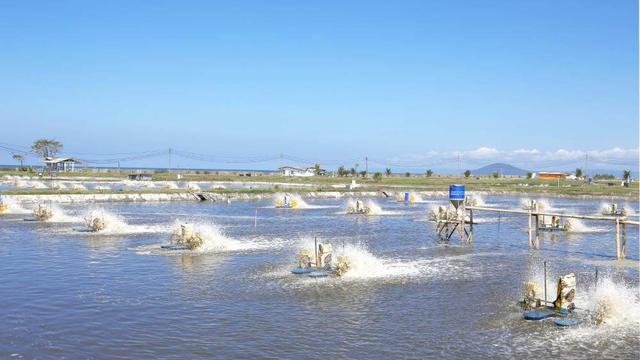
Set a reasonable stocking density, too. For beginners, about 10 to 20 fish per square meter is safe and easy to manage. Overstocking without adequate aeration actually stunts growth and invites disease. Stock in the morning or late afternoon, when it isn’t too hot, so the seed doesn’t stress easily.
Managing Feed by Growth Phase
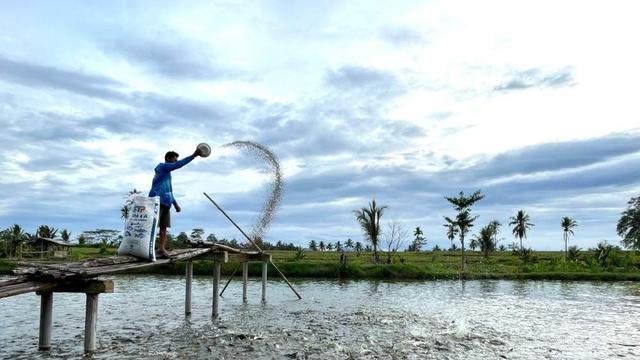
Tilapia’s nutritional needs shift with age, so feed has to match the phase. Feeding well helps lower FCR (Feed Conversion Ratio), which keeps production costs down. As a rule of thumb, feed about 3 to 5 percent of body weight per day early on, then drop to 2 to 3 percent as the fish grow.
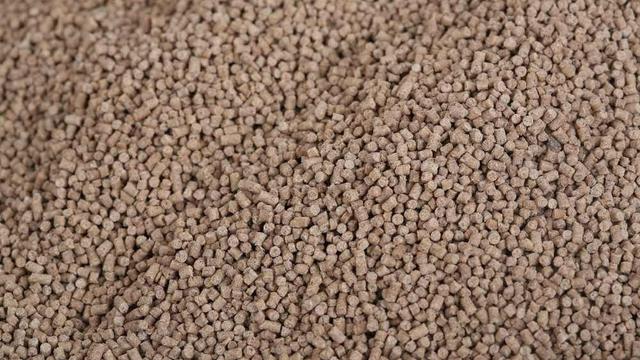
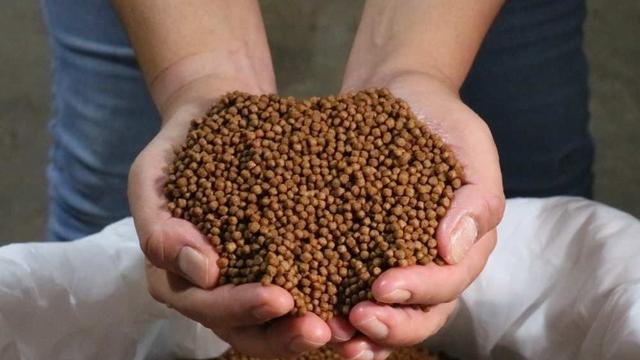
Nutritional needs and feed choices in fish farming break into three phases. In the seed or starter phase, fish have high protein needs-about 40%. The recommended STP feed for this phase is PA GOLD, with 40% protein and 3% crude fiber. Moving into the grower phase, protein needs sit at a moderate level near 32%, so the best match is STP NGA 10 at 32% protein. Finally, in the grow-out phase, protein needs fall to about 26%. For this phase, the suggested STP feed is STP SPF Extruder, with 26% protein and 6% fat.
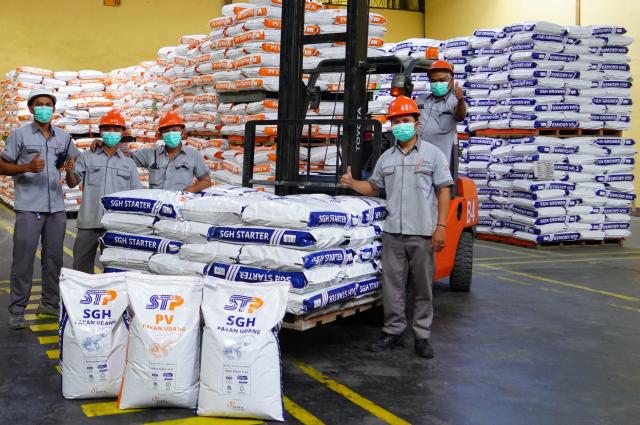
As a producer operating since 1987 and part of JAPFA, STP offers a lineup of STP feed built specifically for tilapia at each phase, as outlined above.
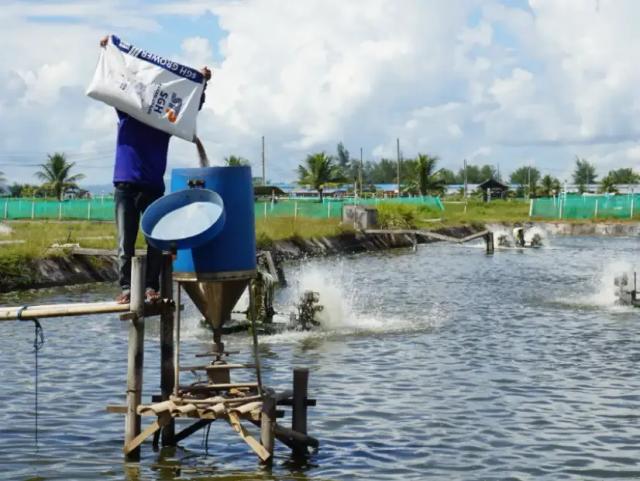
To keep fish growing steadily and uniformly through harvest, you can use NGA floating feed formulated specifically for tilapia. The full range is available in the tilapia feed catalog, while feeding by fish age is covered in more detail in the tilapia feed by phase guide. For best results, feed 3 to 4 times a day while the fish are still seed, then 2 to 3 times a day once they’ve grown, at consistent times each day.
Srikandi Tilapia and Polyculture with Whiteleg Shrimp in Coastal Ponds
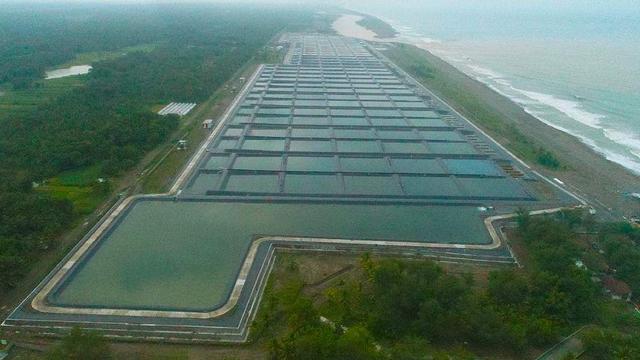
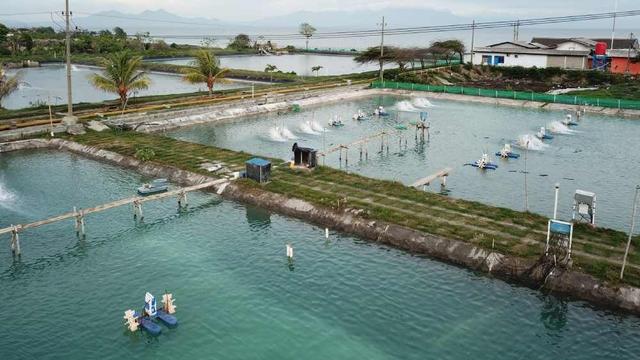
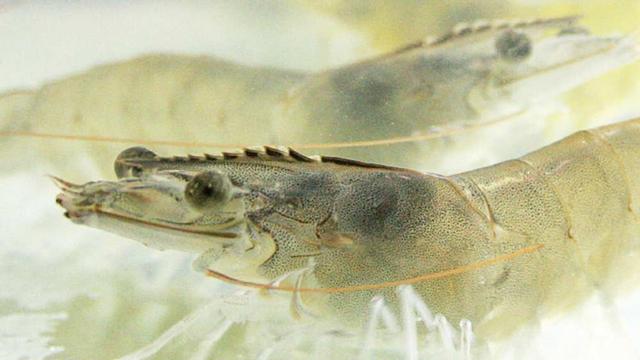
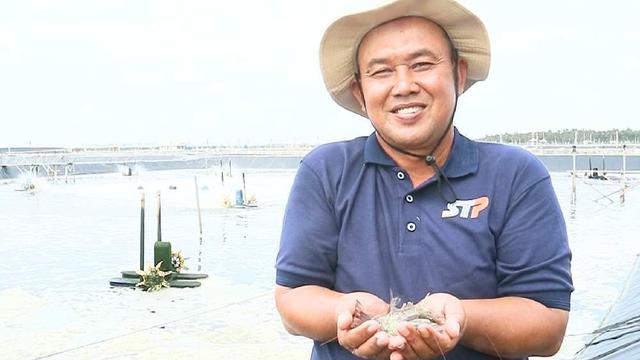
For farmers in coastal areas, Srikandi tilapia has a use beyond solo farming. Because it tolerates high salinity, this strain is often raised alongside whiteleg shrimp farming in the same pond-a practice that helps put underperforming pond land back to work.
In this system, tilapia help keep the pond ecosystem stable, while whiteleg shrimp remain the main commodity. If you’re interested in this approach, make sure your whiteleg shrimp feed matches the growth phase, and use healthy, uniform whiteleg shrimp fry from the first stocking, so both commodities deliver their best.
Maintaining Pond Water Quality
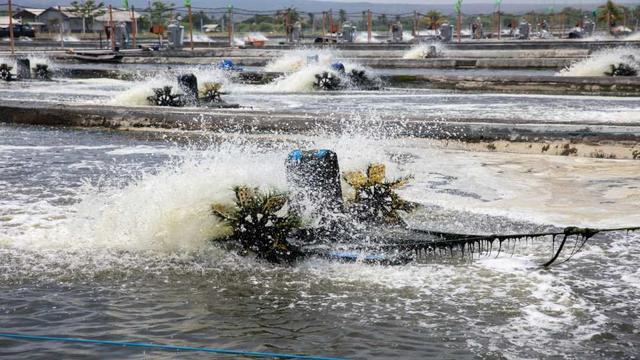
Water is the fish’s home, and poor water stresses tilapia and dampens their appetite. Keep dissolved oxygen above 3 to 5 mg/L, hold pH in the 6.5 to 8.5 range, and keep the water warm. Brownish-green water that isn’t too dense usually signals healthy plankton growth.
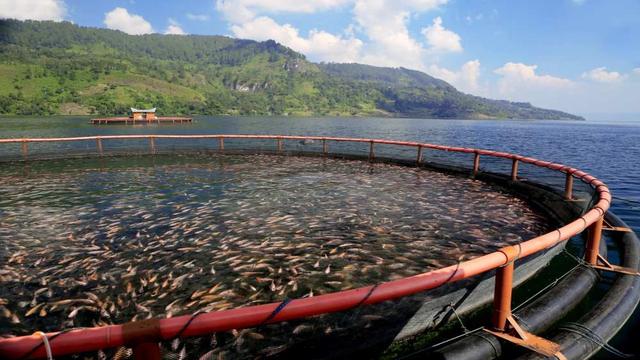
Rotting leftover feed is the main source of trouble because it raises ammonia. So don’t overfeed, and replace part of the water regularly-especially when it starts to smell or turn cloudy. If you want to use larger bodies of water, tilapia farming can also expand into floating net cages.
When and How to Harvest
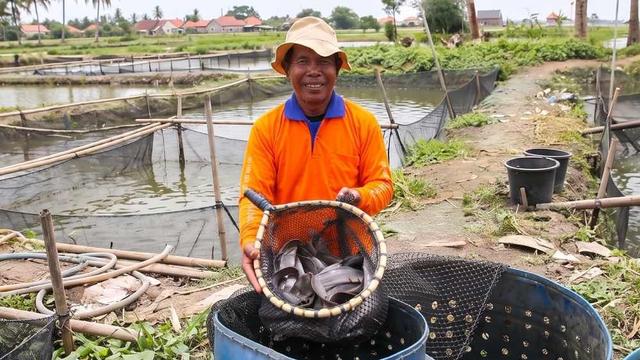
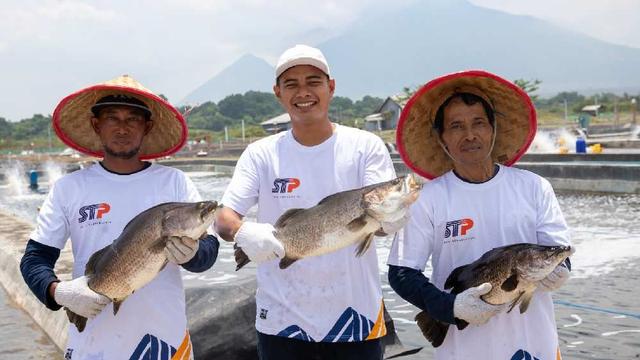
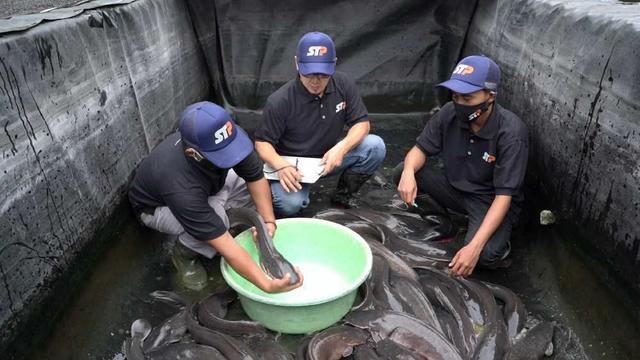
Tilapia are generally ready to harvest at 4 to 6 months, weighing 250 to 500 grams each-about 2 to 4 fish per kilogram-depending on market demand. Sample the weight every 2 weeks so you can track growth and estimate harvest timing more accurately.
The day before harvest, fast the fish so their guts are empty and they don’t stress easily during transport. Harvest in the morning or late afternoon when it’s cool. Lower the water slowly, then catch the fish with a fine net so their bodies aren’t injured.
Closing
Tilapia farming for beginners goes smoothly when every stage is done right: choosing healthy fingerlings, preparing the pond thoroughly, stocking seed carefully, feeding by phase, and maintaining water quality through harvest. The heart of it is the beginning-quality seed and feed decide more than half of any cycle’s success. Start small, log every step you take, then scale up as your experience grows.
To deepen your understanding of choosing the right aquaculture feed in general, take a look at STP’s best aquaculture feed guide as well.
FAQ
How long until tilapia can be harvested?
With superior seed, phase-appropriate feed, and good water management, tilapia generally reach a market weight of 250 to 500 grams in 4 to 6 months. Reasonable stocking density and disciplined feeding help speed up harvest.
What does healthy tilapia seed look like?
Healthy tilapia seed moves actively and swims against the current, comes in uniform sizes, shows bright, glossy color, and is free of wounds or body defects. Seed that responds at feeding is a sign of prime condition and readiness to stock.
What’s the ideal stocking density for beginners?
For beginners, about 10 to 20 fish per square meter is safe and easy to manage. Density that’s too high without aeration support actually slows growth and raises disease risk.