Floating vs. Sinking Fish Feed: How to Choose the Right One for Your Pond
General • 2026-09-23
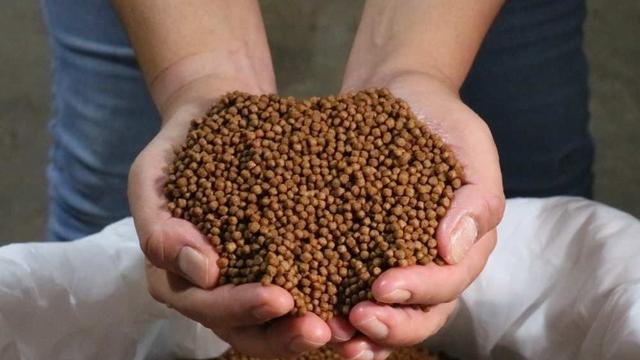
Floating fish feed is a pellet that stays on the surface of the water. It is made by cooking the raw mix at high heat, a process called extrusion, which puffs the dough, leaves it full of tiny air pockets, and makes it light enough to float. Sinking feed is the opposite. It is pressed together without that heat, so it comes out denser and drops straight to the bottom. Put simply, floating feed suits fish that feed at or near the surface, such as tilapia and catfish, because you can see how eagerly they eat and how much is left behind. Sinking feed suits animals that forage on the bottom, shrimp most of all. The best feed is not the one with the bigger reputation. It is the one that fits your species, the way it feeds, and the pond you are working with.
Picking the wrong form sounds like a minor decision. It is not, because feed accounts for roughly 60 to 70 percent of what a grow-out cycle costs. Feed that never gets eaten wastes money twice, first at the counter and again when it breaks down on the pond floor and fouls the water. What follows is the difference between the two, when each one earns its place, and how to choose for your own ponds.
The Difference Starts at the Mill
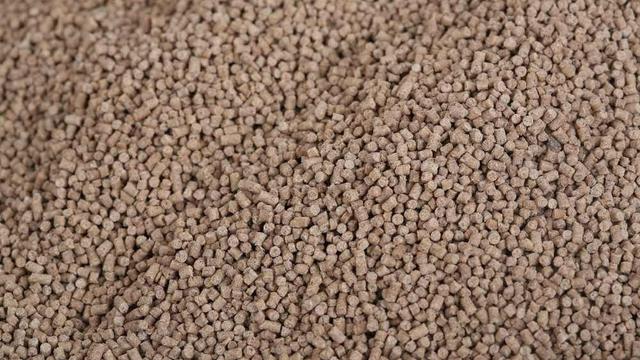
The real split between the two happens during manufacturing. Floating pellets go through extrusion, meaning the ingredients are cooked at high heat and then dried. The heat expands the dough and leaves it porous, which is why the pellet is light enough to sit on the surface for a while instead of sinking. Sinking pellets are usually pressed at a much lower temperature, so the result is dense and goes down fast.
Floating feed also tends to hold together longer in water instead of crumbling, and the cooking step makes part of its nutrition easier for fish to digest. Sinking feed is generally cheaper and has its own clear uses, but once it reaches the bottom you lose the ability to see what is happening.
Match the Feed to How Your Fish Eat
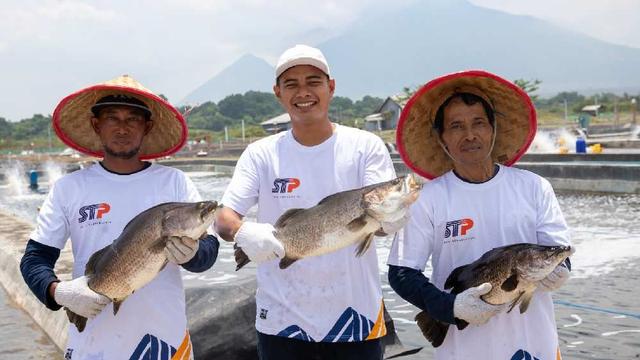
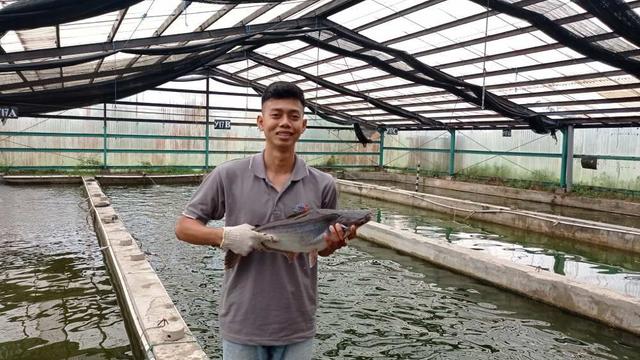
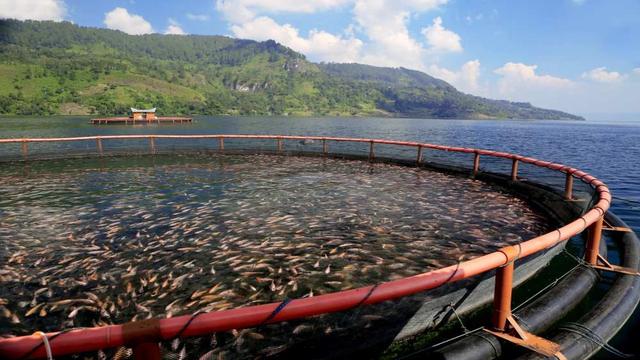
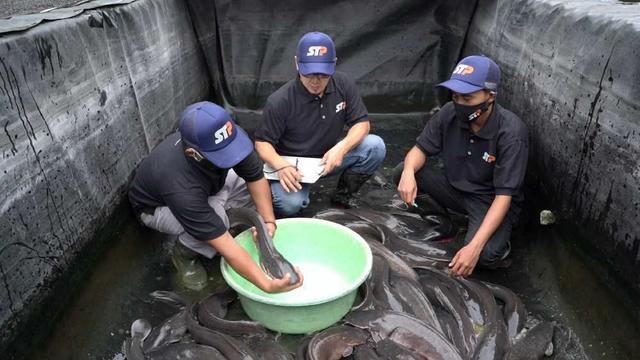
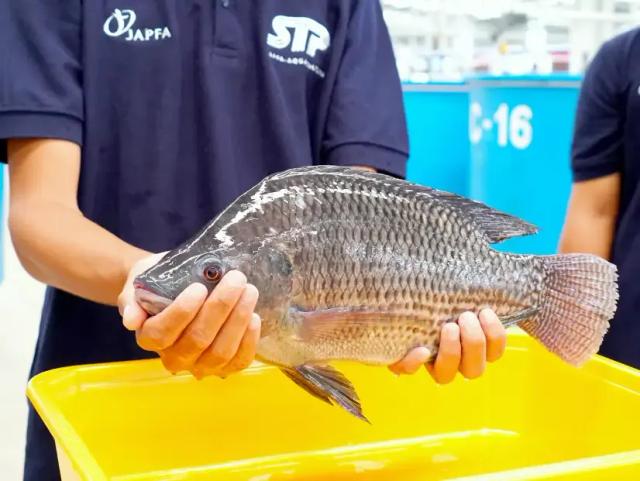
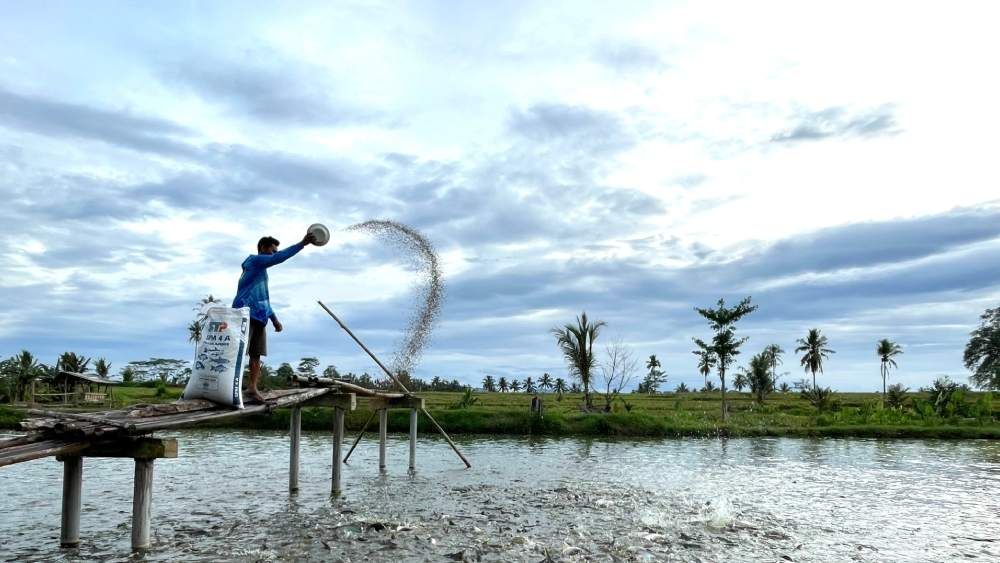
Start with feeding behavior. Species that rise to the surface or feed in the middle of the water column, including tilapia, common carp, catfish, and gourami, do well on floating pellets. Catfish in particular give you an obvious signal, striking at the surface hard enough that you can read the whole school’s appetite from the bank. That visibility is worth a lot across a full cycle, and it pairs naturally with a range of catfish feed built for each stage of growth.
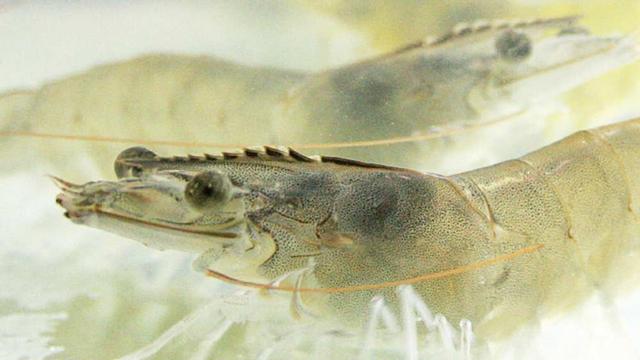
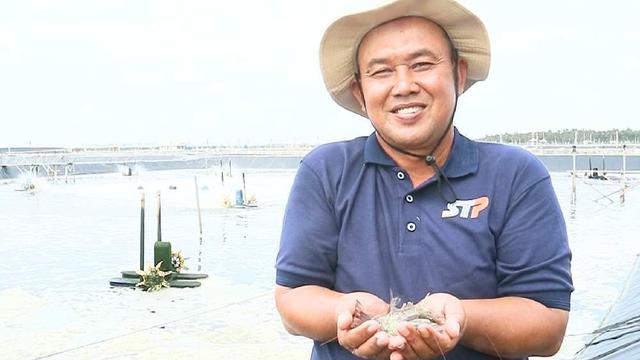
Some animals never come up. Shrimp are the clearest case, feeding along the pond bottom, so sinking feed is the only form that reaches them. Certain bottom-dwelling fish, and fish that simply prefer not to surface, are better served the same way. Giving floating feed to a bottom feeder just leaves pellets drifting untouched.
Why Floating Feed Helps You Control FCR
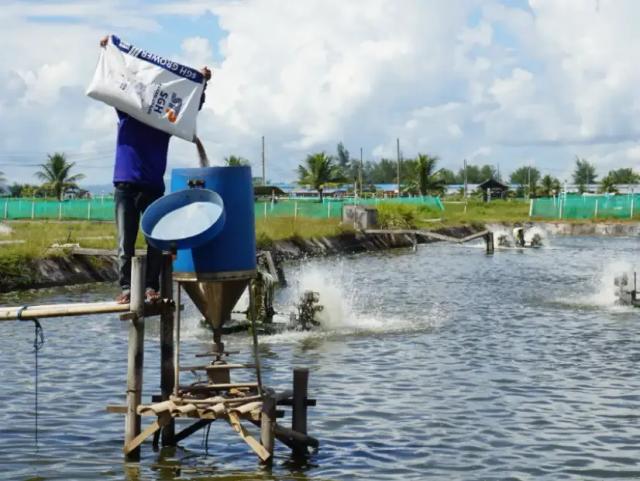
Here is where most freshwater farmers land. Because the pellets are visible, you can watch how hard the fish are feeding and how much is still sitting there. The moment the strikes slow down, you know to stop.
Being able to read that response pays off directly. Feeding the right amount cuts waste and keeps less uneaten feed rotting on the bottom, and your FCR improves as a result. FCR, or feed conversion ratio, compares how much feed you used against how much fish weight you produced. The less feed you waste, the less each kilogram of harvest costs you. If you have not set up that kind of record keeping yet, a structured feeding management plan is a good place to start. Water quality usually improves too, simply because there is less feed waste in the system.
When Sinking Feed Is the Right Call
Floating feed does not solve everything. For bottom feeders such as shrimp, sinking feed is not an alternative, it is the requirement. It also works better for fish that avoid the surface, whether during the hottest part of the afternoon or in ponds with no shade at all.
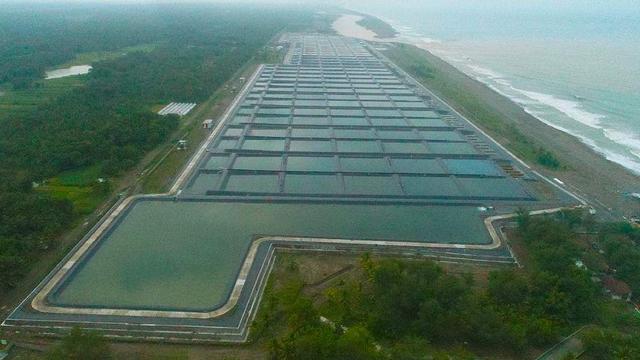
The production system matters as well. In deep ponds or ponds with current, floating pellets drift and pile up along the edges, far from the fish. Sinking feed spreads more evenly in those conditions and less of it goes to waste.
Depth, Current, and Wind
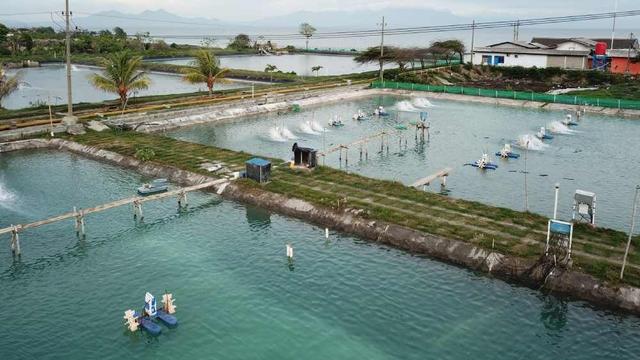
Beyond species, the pond itself shapes the decision. Shallow, calm ponds are ideal for floating feed because the pellets stay visible and within reach. Deep ponds with strong current or steady wind push floating pellets around and make them hard to track.
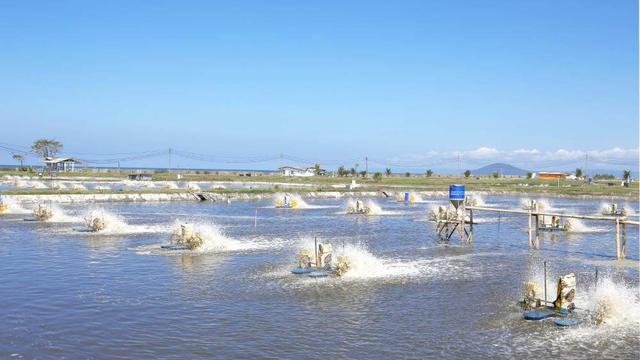
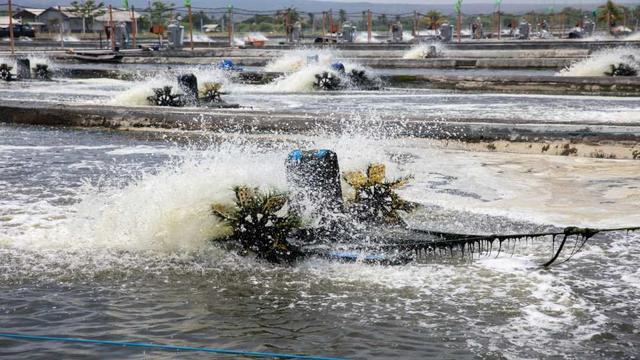
Aerators and paddlewheels create surface current of their own, which can sweep floating pellets to the bank before anything eats them. If your ponds are windy or fast moving, be more deliberate about where and when you feed, or switch to sinking feed so the spread stays under control.
Practical Checks Before You Buy
A few things are worth confirming before you commit to a form:
- Know how your species feeds, at the surface or on the bottom.
- Match pellet size to mouth size at each stage, from fry through grow-out.
- Check buoyancy and water stability, because good floating feed does not break apart quickly.
- Watch the feeding response over the first few days and adjust the ration or the form if you need to.
- Choose a mill with consistent quality from bag to bag, so your fish are not digesting something different with every delivery.
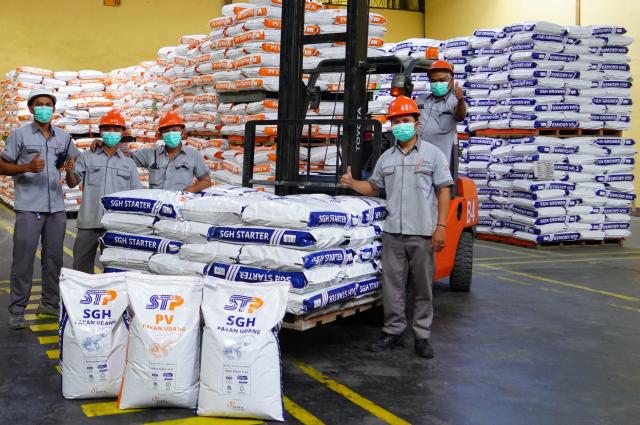
Some producers make this easier by offering both forms. STP, an aquaculture feed producer operating since 1987 and part of JAPFA, manufactures floating and sinking feed matched to species and growth stage. Its aquaculture feed lineup is a reasonable place to compare the options against what your ponds actually need.
Neither form is better in the abstract. Floating feed wins for surface feeders like tilapia and catfish because it lets you read appetite, cut waste, and keep FCR in line. Sinking feed wins for shrimp, bottom feeders, and ponds that are deep or fast moving. Match the form to the species and the water, and more of your feed ends up as fish instead of sludge.
FAQ
Is floating feed always better than sinking feed?
No. Floating feed makes appetite easy to monitor and suits surface feeders such as tilapia and catfish. For shrimp and bottom-dwelling fish, or in deep ponds with current, sinking feed reaches the animals where they actually feed and is the better choice.
Can catfish be raised on sinking feed?
Yes, though most farmers find catfish easier to manage on floating feed because the feeding response is visible at the surface. That makes it much easier to stop once the fish are full, which keeps waste down.
How can I tell whether a floating feed is good quality?
Good floating feed stays on the surface without breaking apart quickly, comes in a uniform pellet size, and has the same composition from one bag to the next. Reliable buoyancy and water stability usually mean the manufacturing process was done right and the nutrition is better preserved.