PT Indojaya Agrinusa Aquafeed Earns ASC Feed Certification, Advancing STP's Commitment to Sustainable Aquaculture Feed
Sustainability • 2026-08-13
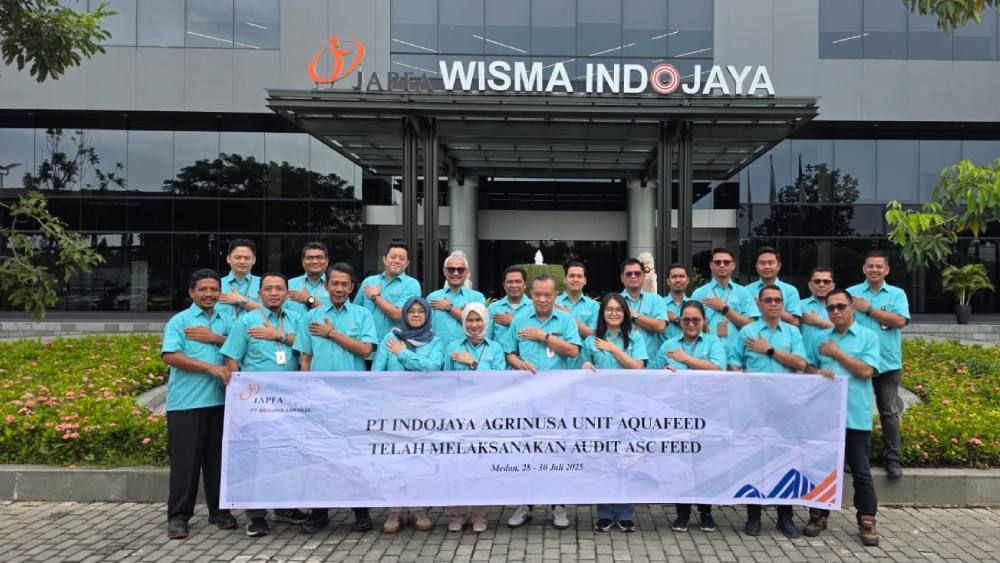
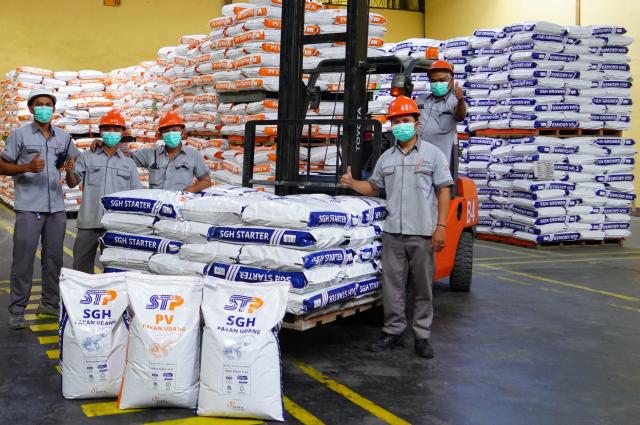
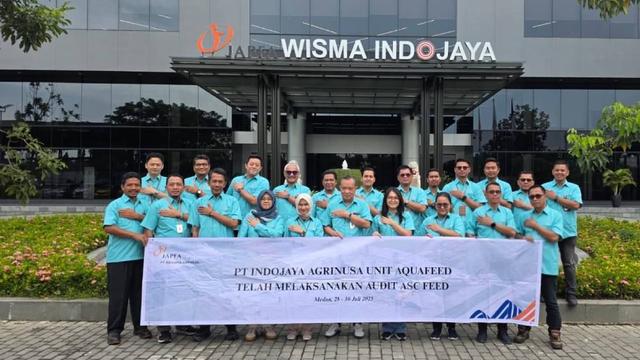
PT Indojaya Agrinusa Aquafeed Unit (IJA), part of STP (Japfa Aquaculture), has been awarded Aquaculture Stewardship Council (ASC) Feed certification by SCS Global Services, an independent Conformity Assessment Body (CAB). The certification applies specifically to STP's fish feed line and stands as concrete proof of STP's commitment to producing aquaculture feed that meets international sustainability standards across legal, social, and environmental criteria.
Indonesia's aquaculture sector is under growing pressure to expand responsibly, and ASC Feed certification is among the most widely recognized global benchmarks for that effort. With this achievement, PT Indojaya Agrinusa Aquafeed Unit positions itself as part of an aquaculture supply chain whose sustainability practices have passed an independent audit and earned international recognition.
What Is ASC Feed Certification?
The Aquaculture Stewardship Council is an independent body focused on developing standards for sustainable aquaculture, verifying that farming practices and seafood products meet strict criteria throughout the supply chain. The ASC Feed certification awarded to IJA covers three core areas of assessment legal, social, and environmental through a due diligence process that traces raw materials back to their source and examines the social and ecological risks behind them.
The benefit runs in two directions. On the social side, certification safeguards the rights of employees and of the communities involved in the production chain. For consumers and fish farmers, it guarantees transparency about where raw materials come from, so ASC-labeled products can be traced to processes that meet international food safety standards.
Scope of Certification: Fish Feed Specifically
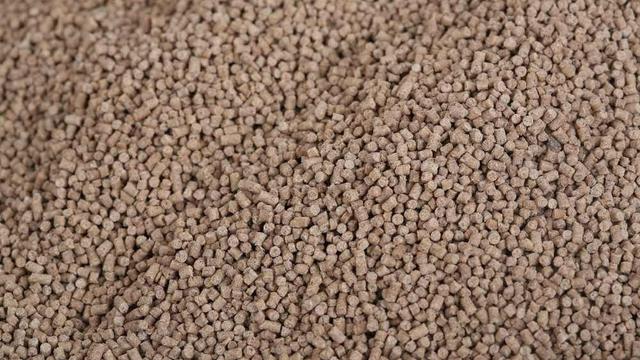
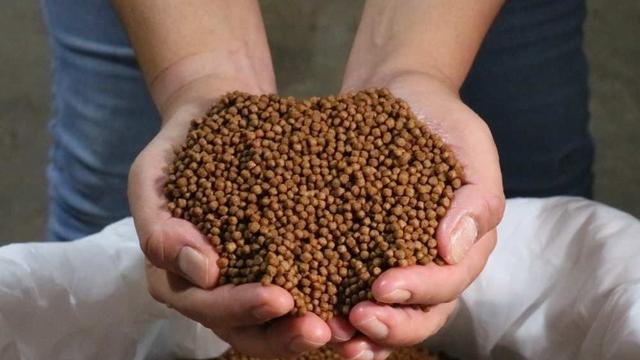
The ASC Feed certification awarded to IJA applies specifically to its fish feed line. In practical terms, the assurance that production meets legal, social, and environmental standards attaches directly to the aquaculture feed STP produces, giving fish farmers added confidence that the feed they use has passed an independent audit and is internationally recognized.
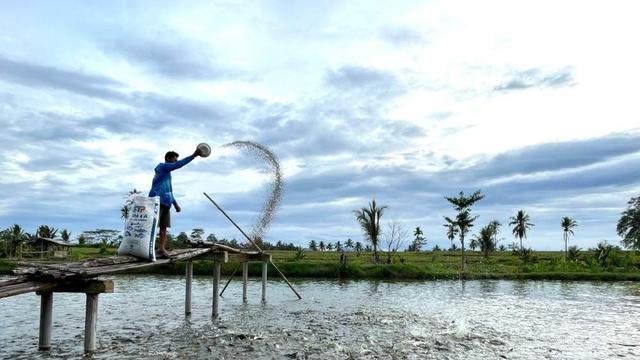
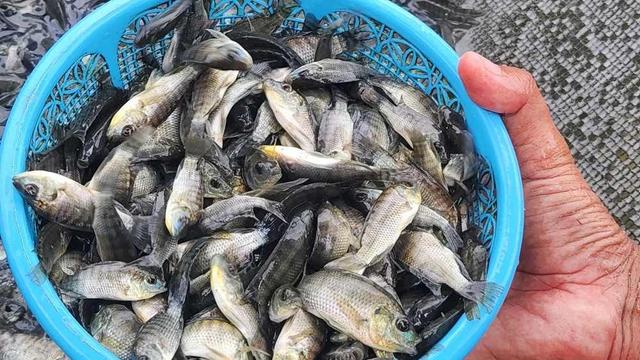
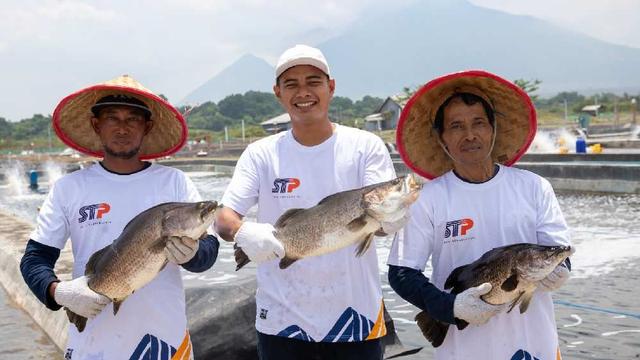
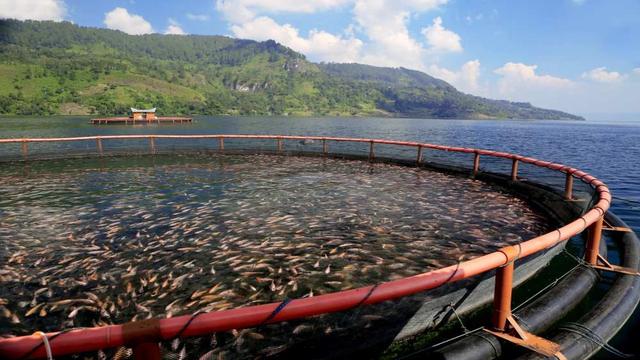
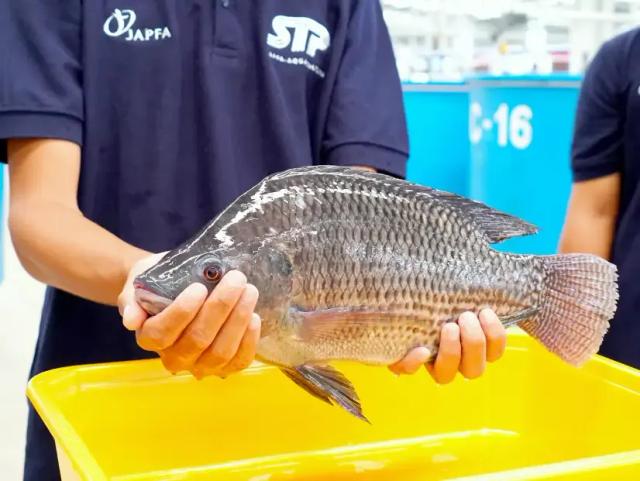
That scope includes tilapia feed for both pond and cage culture, in line with STP's commitment to delivering STP feed that consistently upholds quality and food safety standards across every production line.
Using ASC-certified feed also carries added value for farmers whose products are bound for export markets, as a growing number of destination countries now impose stricter requirements for documented sustainability credentials across the supply chains of fishery products entering their borders.
Transparency as Part of STP's Responsibility
STP's sustainability commitment does not stop at certification. As part of meeting the ASC Feed Standard, IJA regularly reports operational data on its plants' environmental footprint, including an annual energy consumption report. In broad terms, that report accounts for the energy sources used throughout feed production from electricity to fuels such as biodiesel to biomass — as a form of corporate accountability for the energy use and emissions generated by production activity.
This open approach to reporting aligns with the transparency ASC upholds across the supply chain, and it gives STP a basis for continually evaluating and reducing the environmental impact of its plant operations year over year. For partners and farmers, that level of disclosure offers further assurance that the STP feed they use is produced with its full environmental impact in mind, not just its nutritional quality.
An Ongoing Commitment to Indonesian Aquaculture
With ASC Feed certification in hand, STP reinforces its position as a supplier of aquaculture fish feed that prioritizes sustainability at every stage of production from raw material sourcing to production to transparent environmental reporting. For farmers who want to confirm that their feed meets international standards, STP's technical team is ready to recommend the right product for your operation and stage of production.
Greenhouse Gas (GHG) Emission Report: A Further Step Toward Transparency
Also as part of meeting the ASC Feed Standard, IJA publishes a GHG Emission Report detailing the greenhouse gas footprint of its feed production. The report covers emissions across all three scopes (Scope 1, 2, and 3) under international reporting frameworks from direct emissions generated by plant operations, to indirect emissions from energy use such as electricity, to emissions arising from the raw material supply chain.
Beyond scope, emissions in the report are also grouped by category: fossil, biogenic, and land use change. Two calculation methods are applied a mass-based (biophysical) model and an economic model. This dual approach makes the results more comprehensive and comparable across methodologies, consistent with the framework ASC has established.
By publishing the GHG report on a regular basis, STP demonstrates a commitment not only to meeting certification requirements but to actively monitoring and working to reduce the environmental impact of its entire feed production chain in line with the company's vision of supporting sustainable aquaculture from upstream to downstream.
Attachment:
- Due Diligence Pathways and Low Risk Plant Ingredients Report, v1.0 2.2.10 and 5.1.12
- Deforestation & Convension free plant ingredients progress report