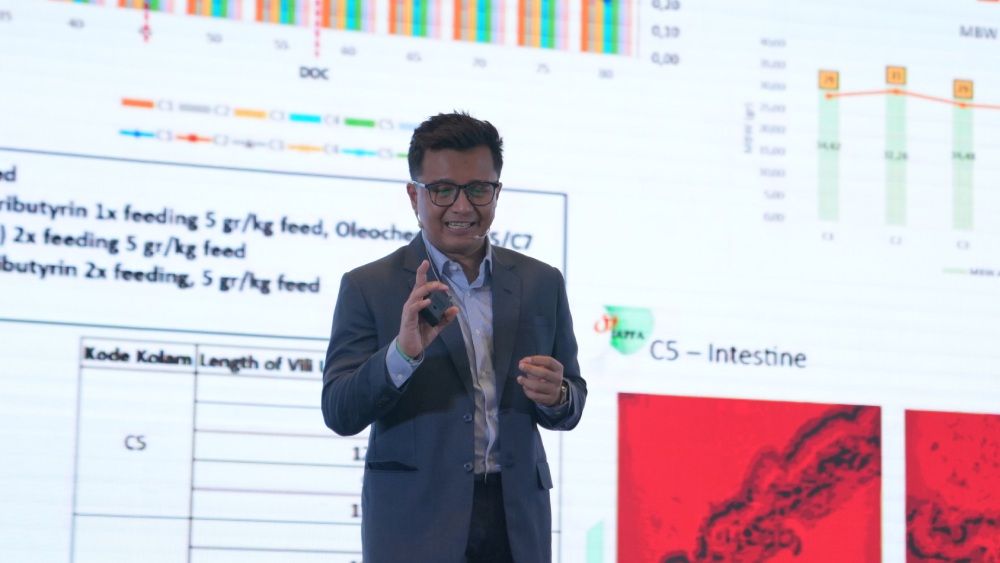
Managing the health of vannamei shrimp takes more than knowing whether a pathogen is present in the pond. A positive test result does not necessarily mean the farm is sick, and a negative result does not necessarily mean the risk is gone. Whether a situation develops into a disease problem depends on a combination of three things: the resilience of the shrimp, the environmental stress in the pond, and how quickly and accurately the farm manager makes decisions. That is why a more sensible approach to vannamei shrimp farming health management focuses on building shrimp resilience rather than simply hunting down pathogens.
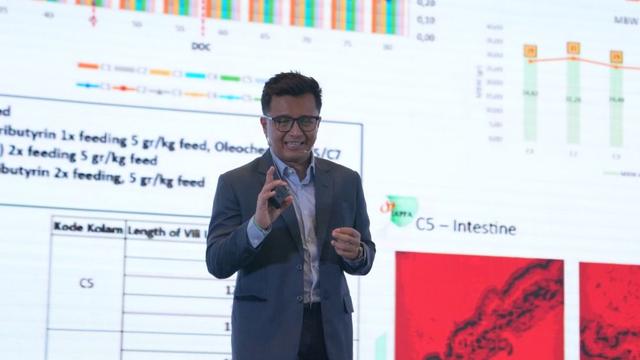
This view was presented by Narendra Santika Hartana, Animal Health Manager at PT Suri Tani Pemuka, at FARM 2026, held at Swissotel PIK Avenue on September 29, 2026, as reported by Trobos Aqua. The following summarizes the key ideas from that presentation and how they apply on the farm.
Read Lab Results as Clues, Not Verdicts
Many farmers treat pathogen test results as the final word. Positive means panic, and negative means safe. In practice, neither one is that simple.
A pond that looks healthy and is performing normally can still carry pathogens without showing any symptoms. As long as the shrimp stay resilient and the environment is not putting them under stress, the presence of a pathogen does not automatically turn into an outbreak. On the other hand, a negative result at a single point in time only reflects the condition of the sample at that moment. It does not guarantee that the risk has disappeared for the rest of the cycle.
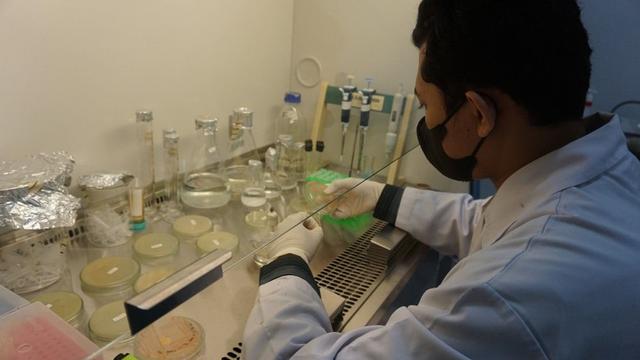
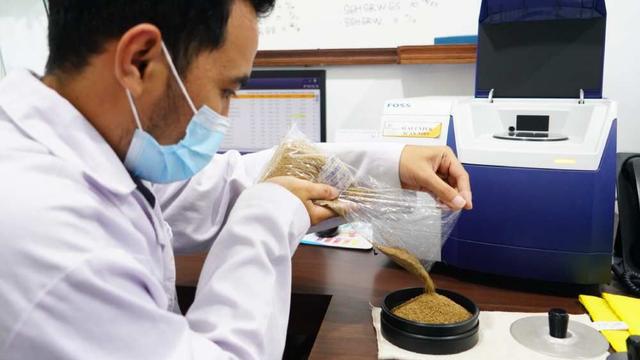
The practical takeaway is that decisions should never rest on a single test report. Lab results need to be read alongside other data, including water conditions, shrimp behavior in the check trays, feed records, and what happened over the previous few days. A single number viewed in isolation is almost always misleading.
The Epidemiological Triad and the Often-Overlooked Fourth Factor
Animal health science uses the term epidemiological triad to describe the relationship between the host, the pathogen, and the environment. Disease occurs when all three come together in an unfavorable combination.
The presentation emphasized that vannamei shrimp farming involves one more factor that matters just as much: how quickly and accurately the farm manager makes decisions. Two farms with similar pathogens, shrimp, and water conditions can end up with very different outcomes simply because one acted on the first day while the other waited until the symptoms became obvious.
This factor is often overlooked because it cannot be measured in a lab. Yet in the field, a difference of two or three days in confirming the cause and taking action often determines whether a pond can still be saved.
Why the Focus Is Shifting to Shrimp Resilience
Four factors came up repeatedly as threats to shrimp resilience: organic matter building up on the pond bottom, opportunistic bacteria, disrupted microbial balance (known as dysbiosis), and environmental stress. All four push in the same direction. They weaken the immune system of the shrimp and raise the likelihood of mortality.
Dysbiosis deserves a closer look because it is a term farmers rarely hear. It describes a condition in which the microbial communities in the shrimp gut and in the pond water fall out of balance, giving harmful groups more room to grow than beneficial ones. It can be triggered by many things, from leftover feed piling up and excessive sterilization that wipes out natural competitors to sudden changes in salinity and temperature.
Opportunistic bacteria are bacteria that live in the pond all the time without causing problems, but multiply rapidly once the shrimp’s defenses weaken or water quality declines. They do not need to be brought in from outside. They are already there, simply waiting for an opening.
Building resilience therefore means taking that opening away by keeping the organic load low, maintaining microbial balance, and minimizing environmental shocks. This approach costs far less than treatment, and its basic principles are covered in the guide to vannamei shrimp farming.
The P.R.E.D.I.C.T. Framework: Bringing the Disciplines Together
A holistic approach requires data from many fields to be read together. To support this, the presentation introduced a framework called P.R.E.D.I.C.T., which brings together seven areas: Pathology, Risk Monitoring, Environment, Data Analytics, Community and Nutrition, Culture Management, and Technology and Traceability.
What matters most in this framework is not the acronym itself but the habit of combining sources of information that have long been handled separately. Lab data, environmental conditions, production performance, and field observations should be read as one connected picture so that decisions are more accurate.
On the farm, the framework can be put to work in simple ways. Record each test result along with its date. Measure dissolved oxygen just before dawn, not only during the day. Log feed amounts, how long it takes the shrimp to clear the feed in the check trays, and any changes in their behavior. After a few weeks, patterns that would slip past memory alone will start to show up in the records.
Looking Ahead: Feed and Postlarvae Matched to Each Location
The most interesting part of the presentation focused on what comes next. Shrimp health management is expected to rely more and more on a combination of data-driven farming and the actual condition of the shrimp in the pond.
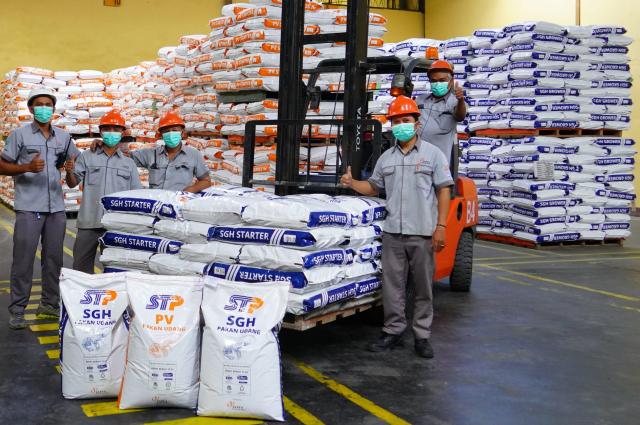
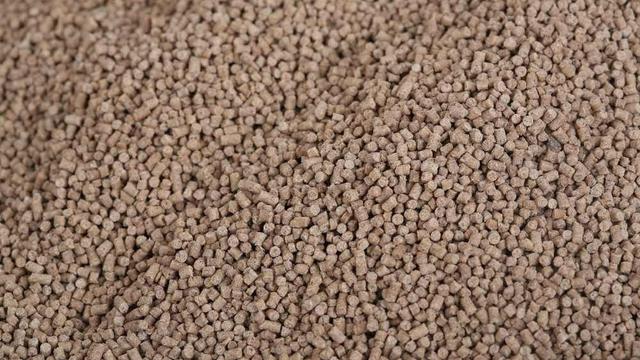
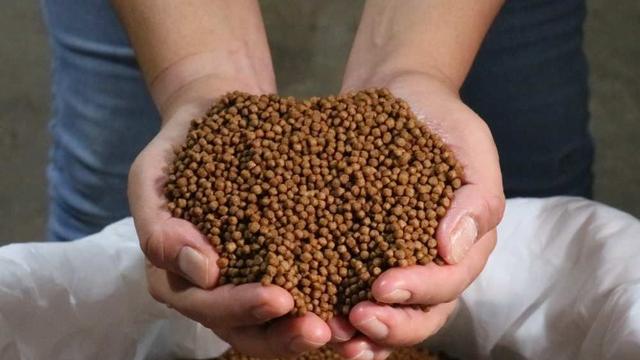
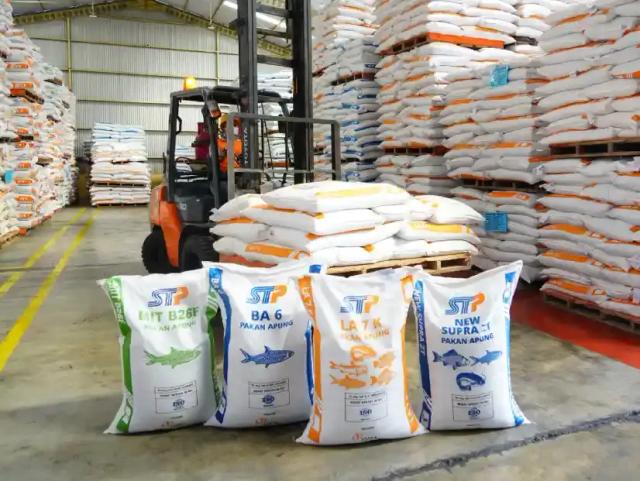
Two developments were singled out. The first is adjusting feed and postlarvae specifications to the location. In other words, no single formula works best for every farm, because water characteristics, salinity, temperature, and disease pressure vary from one area to another. Matching high-protein vannamei shrimp feed to the growth stage of the shrimp is already common practice, and the STP lineup of vannamei shrimp feed is designed in tiers that follow each stage. The next step is to tailor it to local conditions as well.
The same applies to vannamei postlarvae. Postlarvae raised longer in the hatchery are generally larger and have already built up stronger resilience by the time they face environmental changes. STP Super PL, for example, is raised to the PL30 stage from SPF F1 broodstock in a hatchery that follows strict biosecurity measures and quarantine protocols. Tips on how to choose them are available in the guide to vannamei shrimp postlarvae.
The second development is a shift in how detection works. Until now, detection has focused on finding diseases that are already present. The approach now under development aims to spot early indicators that shrimp are coming under stress, which makes it predictive rather than confirmatory. This shift reflects the central idea of the presentation, which is to move from responding to disease toward preventing and anticipating it.
What This Means for Your Farm
There are three things you can put into practice right away, without waiting for new technology.
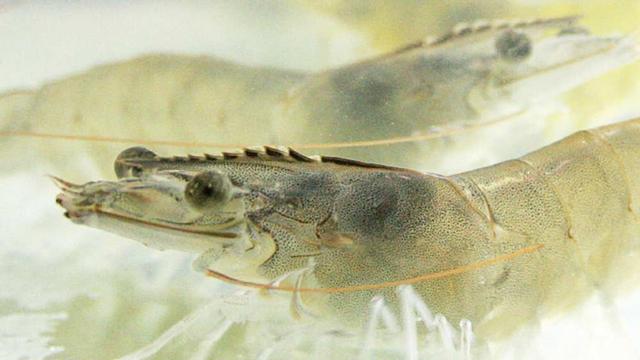
First, do not wait for clear symptoms before confirming the cause. Early signs such as a sudden drop in appetite, guts that look empty, or a pale hepatopancreas are worth investigating immediately. You can compare common problems using the overview of vannamei shrimp diseases. To confirm the cause, the STP Mobile Diagnostic Lab service can run laboratory tests on site, so you do not have to wait for samples to be shipped far away.
Second, make record keeping a habit. Fast and accurate decisions, the fourth factor described earlier, are only possible when there is data to compare against. Without records, every incident feels like a brand-new case.
Third, treat feed, postlarvae, and water management as a single system rather than three separate decisions. Strong postlarvae go to waste if the feeding rate causes the pond bottom to get dirty quickly. The best feed will not help if oxygen levels crash before dawn. Resilience is built from all three at once.
When shrimp health is understood as one interconnected ecosystem, the industry has room to stop simply reacting to outbreaks. What takes its place is prevention from the start of the cycle, risk forecasting before symptoms appear, and production that holds up better under pressure. To build a plan that fits the conditions on your own farm, the STP technical and Animal Health teams, drawing on experience that dates back to 1987 as part of JAPFA, regularly provide hands-on support on site.
Source
Presentation by Narendra Santika Hartana, Animal Health Manager at PT Suri Tani Pemuka, at FARM 2026, held at Swissotel PIK Avenue, Jakarta, on September 29, 2026. Coverage of the event is available in the Trobos Aqua article Membangun Ketahanan Kesehatan Udang melalui Pendekatan Holistik dan Multidisiplin (in Indonesian).