Ensuring Raw Material Traceability: STP Aquaculture’s Commitment Through the Supplier Code of Conduct
Sustainability • 2026-09-14
Introduction
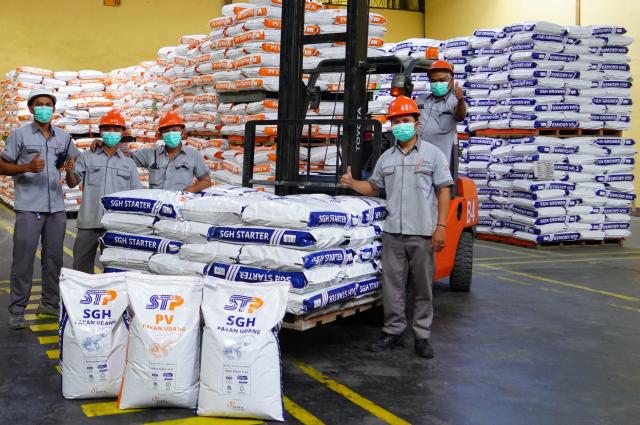
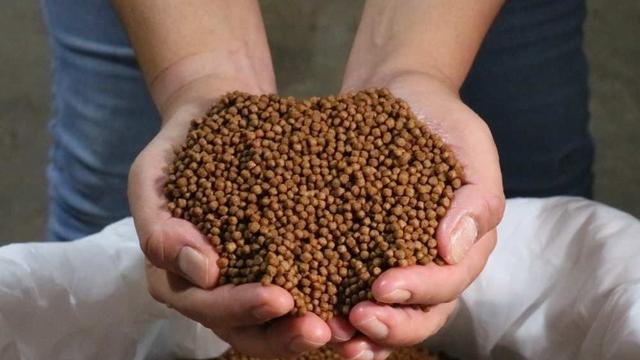
STP’s feed quality is determined not only by the modern production processes in the factory, but also by the clarity of origin and quality of the raw materials used from the very beginning of the supply chain. As part of the Japfa Group, STP Aquaculture sets clear standards of cooperation for all its supply partners through the Supplier Code of Conduct — a written commitment to ensure that every raw material entering the production line comes from responsible, legal, and sustainable sources.
This policy serves as a vital foundation for producing fish and shrimp feed of superior nutritional value that remains fully accountable and traceable to farmers, customers, and end consumers.
What Is STP Aquaculture's Supplier Code of Conduct?
The Supplier Code of Conduct is a set of guidelines governing the minimum standards that all supply partners (Preferred Suppliers) of Japfa Group, including STP Aquaculture, must fulfill. These guidelines require suppliers, along with their employees, sub-suppliers, and agents, to implement ethical, fair, and sustainable business principles across every stage of the supply chain.
The primary objective is simple: to ensure that the production of fish feed and shrimp feed at STP is built upon a transparent supply chain, free from illegal practices, and oriented toward long-term sustainability.
Key Points in the Supplier Code of Conduct
The Supplier Code of Conduct covers several key areas that suppliers must adhere to:
- Legal Compliance: Suppliers must operate in full compliance with applicable laws and regulations as a baseline for partnership with STP.
- Anti-Corruption & Fair Competition: Zero tolerance for bribery, gifts, money laundering, or violations of competition laws throughout the supply chain.
- Labor & Human Rights: Strict prohibition of child labor and forced labor, respect for fair wages, reasonable working hours, freedom of association, and a non-discriminatory work environment.
- Occupational Health & Safety (OHS): Suppliers must provide adequate safety procedures, training, and personal protective equipment for their workforce.
- Product Quality & Safety: Raw materials and supplied products must meet or exceed established quality and safety standards.
- Environmental Management: Operational practices must take environmental impacts into account and adhere to environmental commitment standards and risk management.
- Raw Material Sourcing & Traceability: Suppliers must declare the country/region of origin for raw materials and perform due diligence on sub-suppliers to ensure no links to illegal activities or human rights abuses.
- Data Protection & Confidentiality: All confidential information belonging to Japfa Group and STP Aquaculture must be strictly safeguarded.
Connecting Material Traceability to Feed Quality
The "Raw Material Sourcing & Traceability" clause is directly linked to the quality of aquaculture feed produced by STP. By requiring suppliers to disclose the origin of raw materials and perform due diligence (uji tuntas) on sub-suppliers, STP ensures that key ingredients such as fishmeal, soybean meal, and functional additives are uncompromised by illegal practices, environmental destruction, or labor violations.
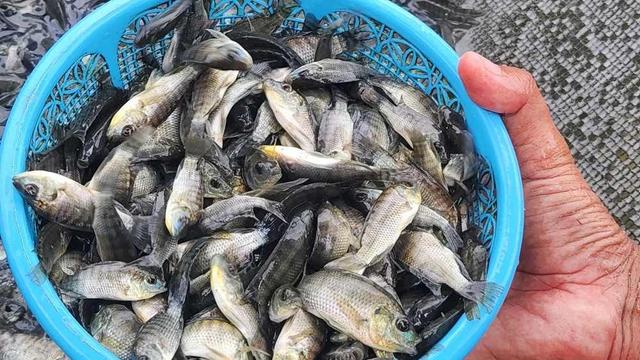
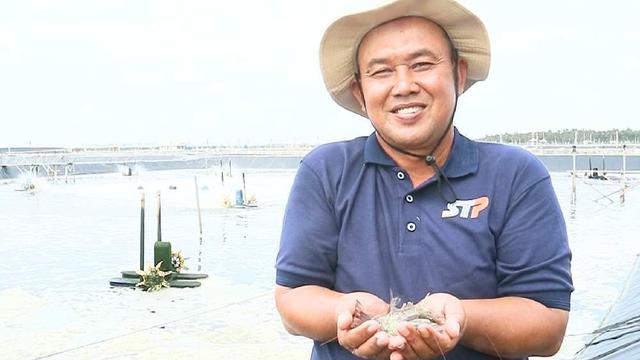
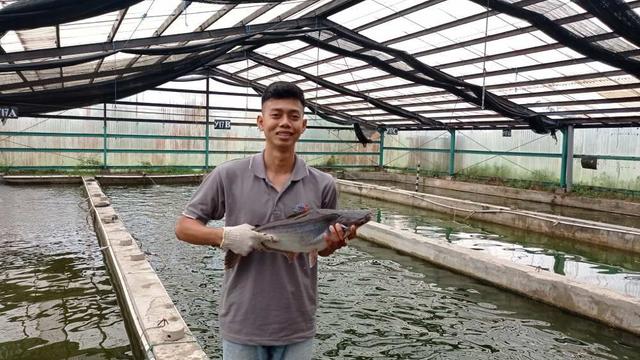
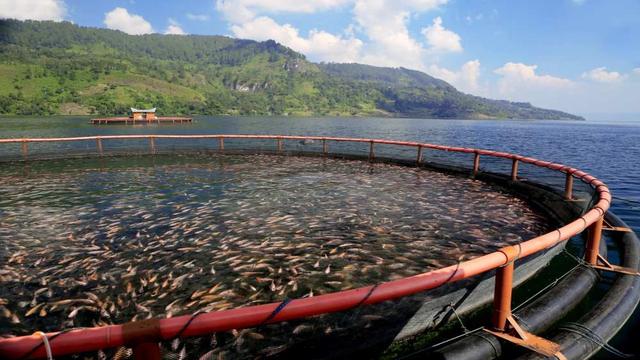
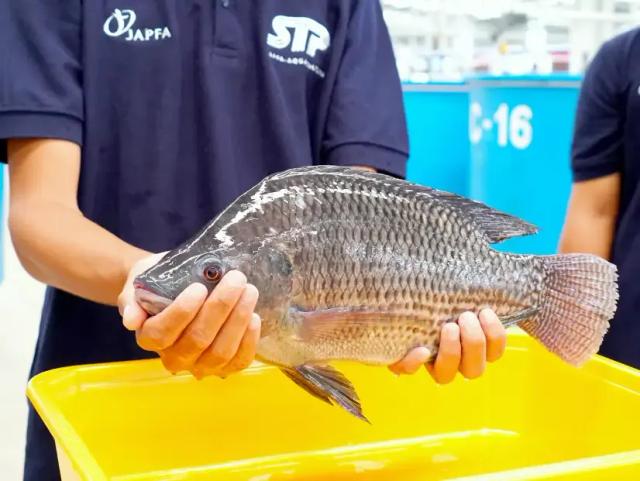
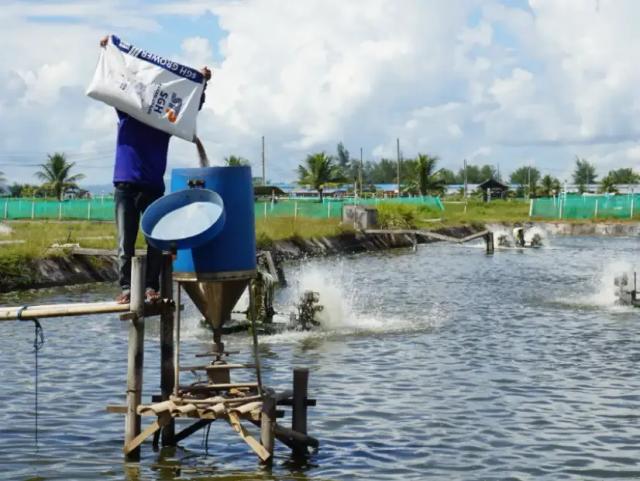
For farmers, this traceability guarantee provides assurance that the feed used — whether for tilapia farming, vannamei shrimp farming, or other species — is derived from rigorously vetted ingredients, directly supporting more stable and sustainable harvest yields.
Benefits for the Aquaculture Ecosystem
Consistently enforcing the Supplier Code of Conduct delivers tangible benefits across the aquaculture value chain:
- Enhancing Farmer Trust: Secures farmer confidence in using feed that is safe, consistent, and highly nutritious.
- Mitigating Supply Chain Risks: Reduces risks of raw material disruption stemming from illegal or unsustainable practices.
- Supporting International Certification: Helps farmed seafood meet sustainability certifications increasingly demanded by global export markets.
- Strengthening Brand Reputation: Positions STP Aquaculture as an ethical industry leader committed to responsible supply chain management from farm to fork.
Conclusion
The Supplier Code of Conduct is more than a compliance document; it reflects STP Aquaculture’s ongoing dedication to creating a transparent and responsible supply chain from end to end. Through these standards, farmers relying on STP feed can operate with confidence, knowing their inputs are ethically sourced and environmentally sound.
Official Document Attachment:
Review the detailed policy document via the STP Supplier Code of Conduct Link.