Farming Catfish from Fingerling to Harvest: A Complete Beginner’s Guide
General • 2026-08-11
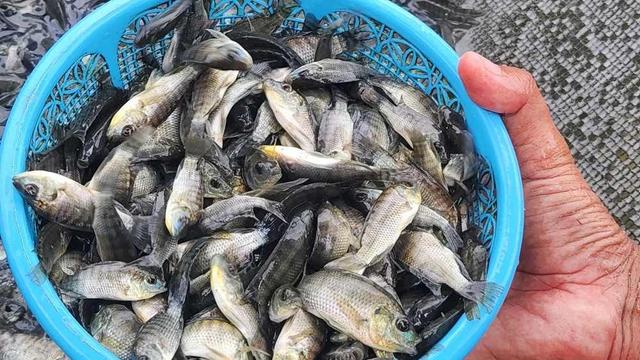
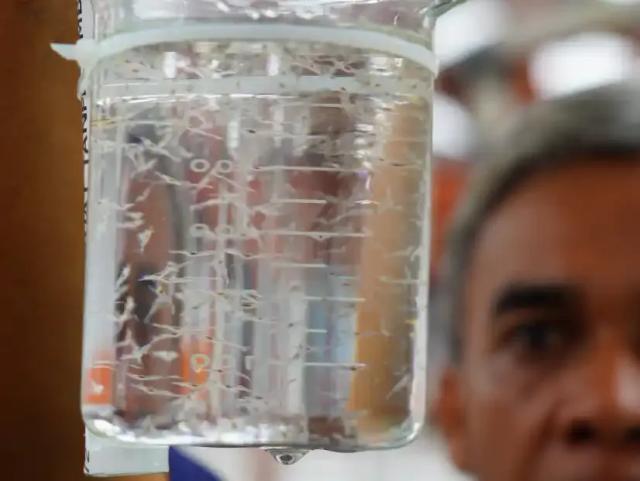
Good, disease-resistant catfish fingerlings share a few clear traits: brisk, active movement, uniform size, upright barbels, and clean bodies free of wounds, white spots, or frayed fins. Picking hardy strains like Sangkuriang or Mutiara catfish gives beginners a real edge against disease.
Catfish is the first pick for many people stepping into fish farming, and the logic holds up. Market demand rarely slows-from roadside fried-catfish stalls to restaurant suppliers-and the fish itself is famously tough and adaptable. For beginners working with limited capital, the bigger draw is that catfish thrive on a small footprint with relatively little water, even in a backyard.
This guide follows you from the earliest step-choosing fingerlings-all the way to the moment the fish hit the harvest scale. The emphasis goes beyond basic care to the two strengths that usually tip a beginner’s decision: low water use and minimal land.
Why Catfish Are a Fit for Water- and Space-Conscious Beginners
The catfish’s edge comes down to an accessory breathing organ called the arborescent organ, or labyrinth, which lets it pull oxygen straight from the air. Because of it, catfish keep living in crowded, murky water with low dissolved oxygen-conditions that would leave many other species gasping at the surface.
That ability carries two practical payoffs. First, catfish can be stocked at high density, so a single small pond can hold thousands of fish. Second, they need far less water exchange than other species, which suits areas with a limited water supply. With a tarpaulin pond just 2 by 3 meters, a beginner can run a full cycle without needing a large plot or an abundant water source.
How to Choose Quality Catfish Fingerlings
A successful harvest is decided the moment you pick your fingerlings. Poor stock drags problems across the entire cycle, no matter how careful the care. Watch for these traits when buying:
- Lively movement, tending to swim against the current when the water is stirred gently.
- Uniform size within the batch, since mismatched sizes fuel competition at feeding.
- Upright barbels and smooth bodies free of wounds, white spots, or frayed tails.
- No fish hanging motionless at the surface or hiding alone in a corner.
Common, relatively disease-resistant strains for beginners are Sangkuriang and Mutiara catfish. A practical stocking size runs 5 to 7 cm or 7 to 9 cm, because at this size the fingerlings are strong enough to handle stocking and cope better with environmental change. Buy from a hatchery with a clear reputation so the health history and uniformity of the seed are better guaranteed.
Tips for Setting Up a Space-Saving Tarpaulin Pond
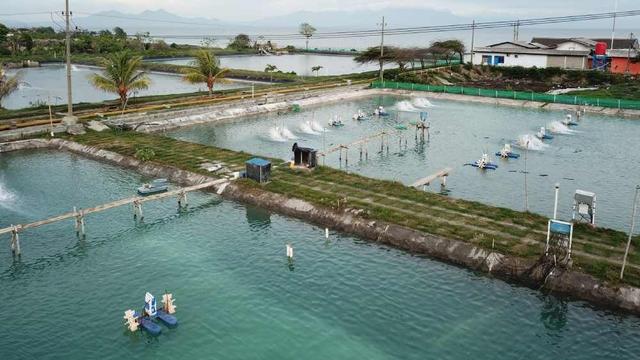
For beginners, a tarpaulin pond is the most budget-friendly and space-efficient option. A steel or wooden frame lined with tarpaulin is enough to start. Before adding fish, the pond needs proper prep:
- Wash and dry the tarpaulin to remove any odor and factory residue.
- Fill the water to 20 to 30 cm first-don’t go straight to full.
- Let the water sit for 7 to 10 days so plankton and natural microorganisms can develop, helped along by a little fertilizer or probiotic if needed.
- Once the water has matured and turned slightly green, the fingerlings are ready to stock.
The water is kept shallow at first so the small fingerlings can easily reach the surface and their feed. As the fish grow, the water level is raised gradually to around 80 to 120 cm.
How to Stock Fingerlings the Right Way
Stocking sets the tone for survival in those first days. Acclimate the fish by floating the fingerling bag on the pond surface for 15 to 30 minutes, then gradually mix pond water into the bag before releasing them. This step equalizes the temperature and prevents the stress that can turn deadly.
Stock the fingerlings in the morning or late afternoon, when the sun isn’t harsh. For an intensive tarpaulin pond, a density of 100 to 200 fish per square meter is still reasonable for beginners, and it can climb as experience and aeration support grow.
Feed Options and How to Deliver Them
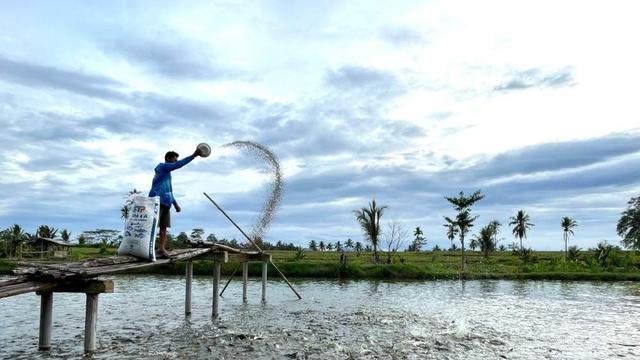
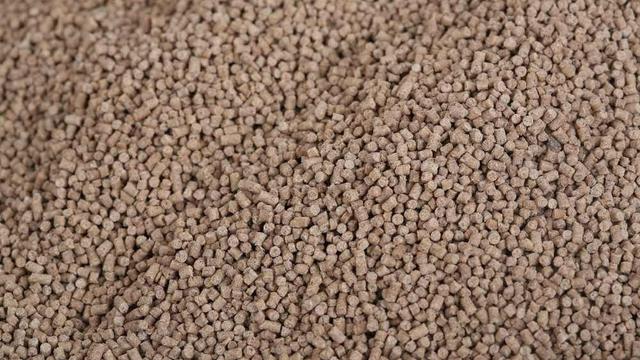
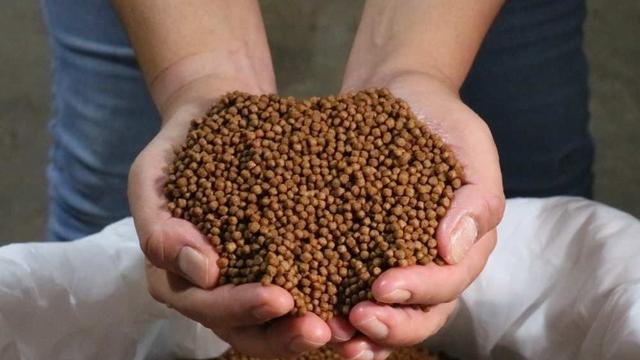
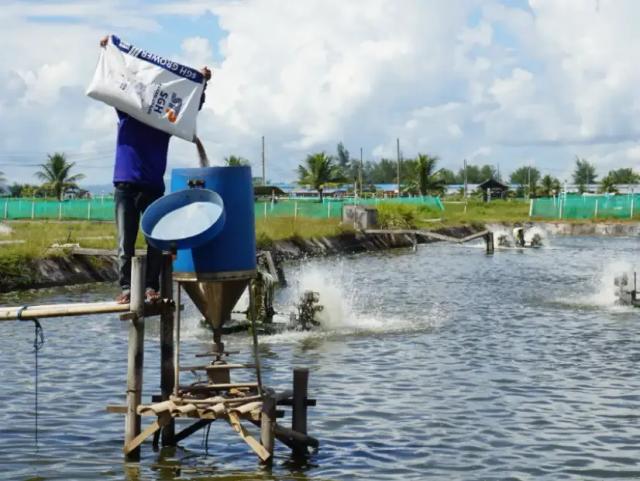
Catfish are voracious omnivores, so feed is the main driver of their growth. Match the pellet size to the fish’s mouth-fine crumbs for seed, larger pellets for the grow-out phase. Feeding 3 to 4 times a day early on supports even uptake, then tapers as the fish grow.
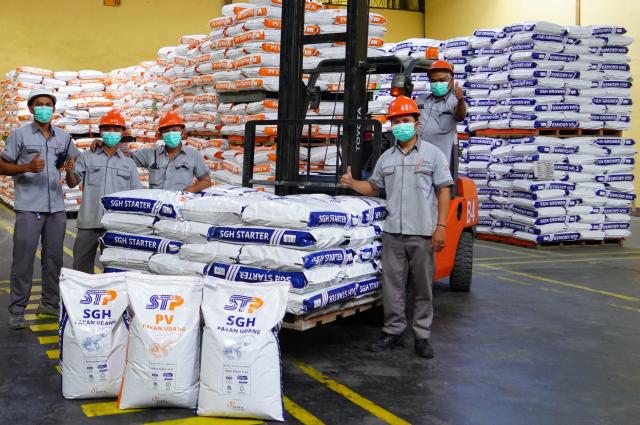
STP offers a full lineup of catfish feed for every phase, such as Supra ZT, SPF 3 Extruder, SPM 4 A, and Supra NP, which you can browse in the catfish feed catalog. To understand how to pick the right feed, the STP best aquaculture feed guide is a solid reference, while more hands-on pointers appear in the article on feed recommendations for faster catfish growth. Feed only until the fish start slowing their strikes-not until every last pellet is gone-so leftover feed doesn’t settle and foul the water.
Grade Your Fish to Prevent Cannibalism
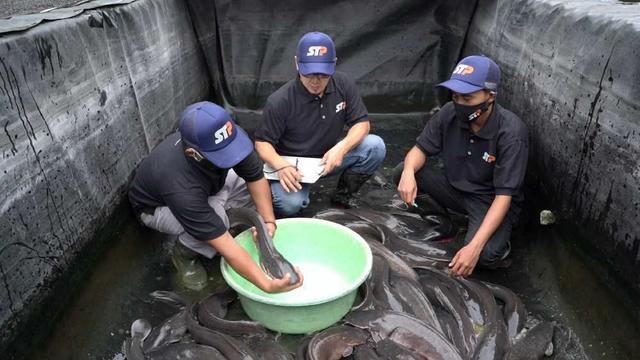
This is the step beginners skip most often, even though it matters a lot. Catfish are cannibalistic, and larger fish won’t hesitate to eat smaller siblings. So grade-sort by size-every 2 to 3 weeks to separate the fish. Beyond cutting deaths from cannibalism, grading also makes feeding more even and growth more uniform heading into harvest.
Keep Circulation and Water Quality in Check-As Needed
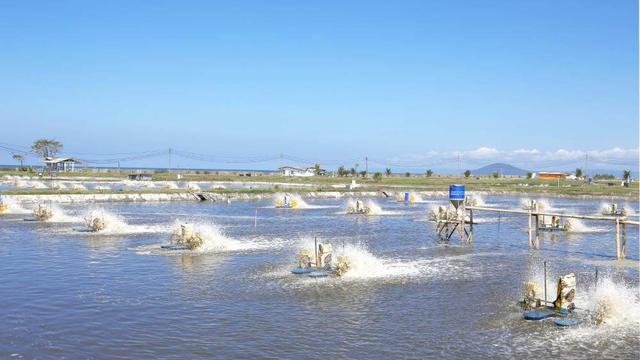
Catfish may tolerate murky water, but that doesn’t mean water quality can be ignored entirely. Leftover feed and waste still build up and raise ammonia, which can suppress appetite. Just siphon out or drain part of the bottom water regularly, then top up with fresh-no need to swap the whole pond. This water-thrifty approach is exactly what keeps catfish efficient even at high stocking density.
The Right Time to Harvest
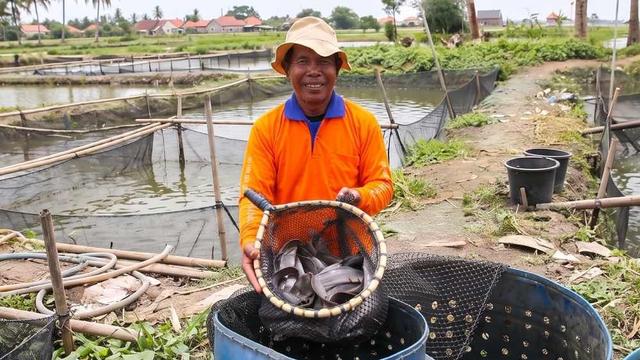
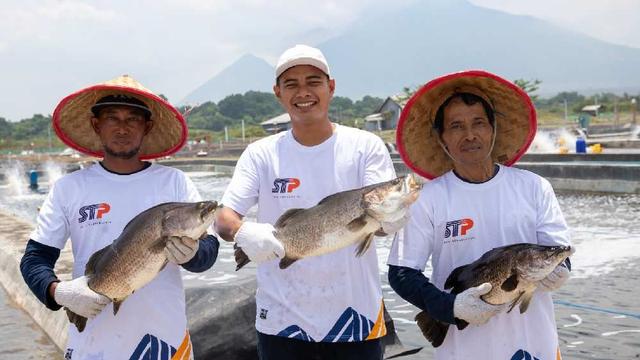
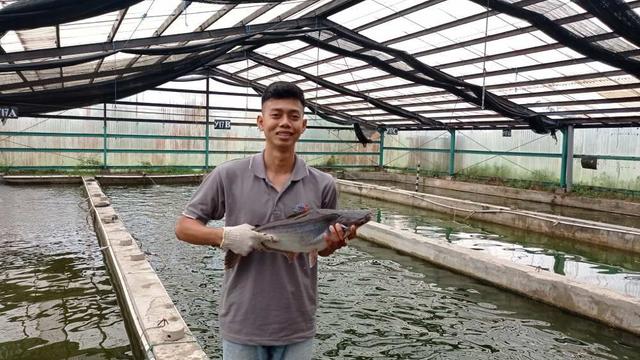
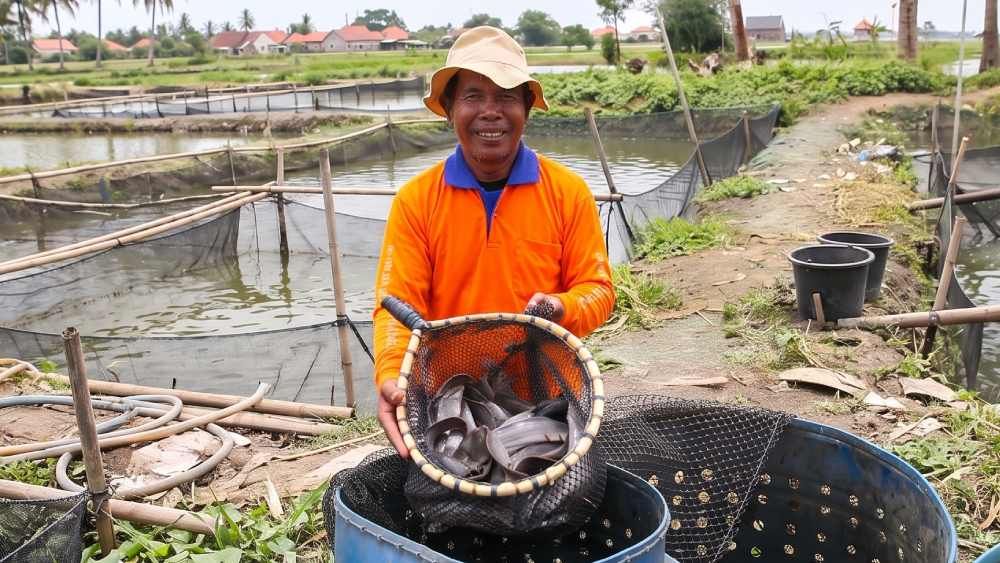
With good feed and care, catfish generally reach market size-about 8 to 12 fish per kilogram-within 2 to 3 months of stocking. Harvest in the morning or at night when it’s cool to keep stress down. Fast the fish for about a day beforehand so their guts are empty and they travel better. Use a fine net, handle them gently, then sort to match market demand.
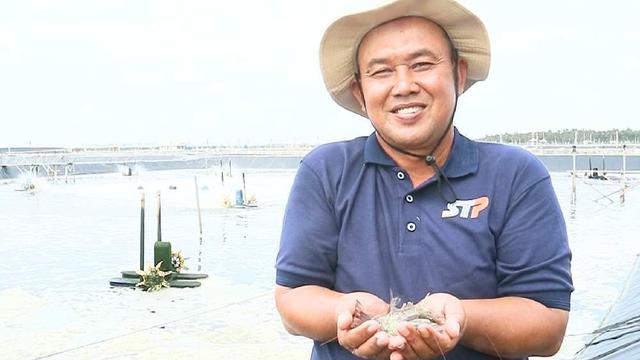
Catfish farming makes an ideal entry point for beginners precisely because it’s easy on water and land, with a market that’s always there. The key is a series of simple steps kept consistent: choosing healthy fingerlings, prepping the pond, stocking correctly, feeding quality diets, grading on schedule, and harvesting at the right moment. If you want to match feed type to your pond conditions and the fish’s phase, STP’s technical team-experienced since 1987 as part of JAPFA-is ready to help.