Vaname Shrimp Feed Management: From PL to Harvest Phase
General • 2026-05-11
This article explores comprehensive nutritional strategies for Vaname shrimp at every stage, from fulfilling micro-nutritional needs in the Post Larvae (PL) and Nursery phases to intensive feed management during the Grow-Out and Harvest phases. These strategies ensure optimal shrimp growth, cost efficiency through FCR control, and high-quality harvest yields.
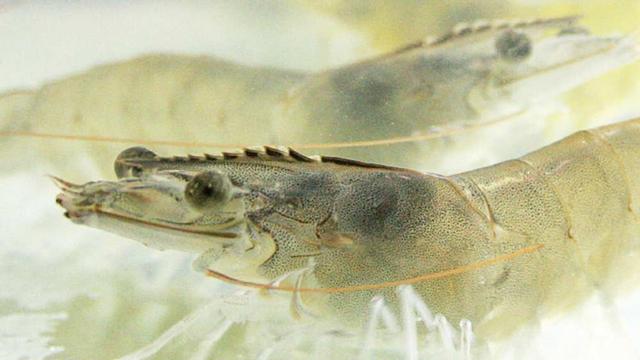
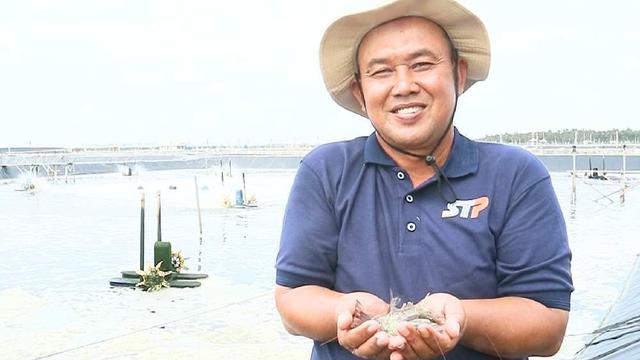
Vaname shrimp (Litopenaeus vannamei) is a cornerstone of the Indonesian aquaculture industry. Originating from the Pacific coast of Central America, this species is a favorite among farmers due to its remarkable resilience and relatively short growth cycle. However, the secret to its success lies in one crucial aspect: precise feed management.
Success is determined long before the harvest, beginning at the post-larvae stage. Shrimp nutritional needs are dynamic; the requirements of a seedling differ vastly from those of shrimp approaching harvest. Precision nutrition is not merely about accelerating growth; it is about fortifying the shrimp’s immune system against diseases. Overfeeding remains a common pitfall in the field, leading to accumulated residue that turns toxic and degrades water quality. Routine monitoring ensures a clean environment where Vaname remains active and productive, ultimately maximizing harvest outcomes.
Understanding the Growth Phases of Vaname Shrimp
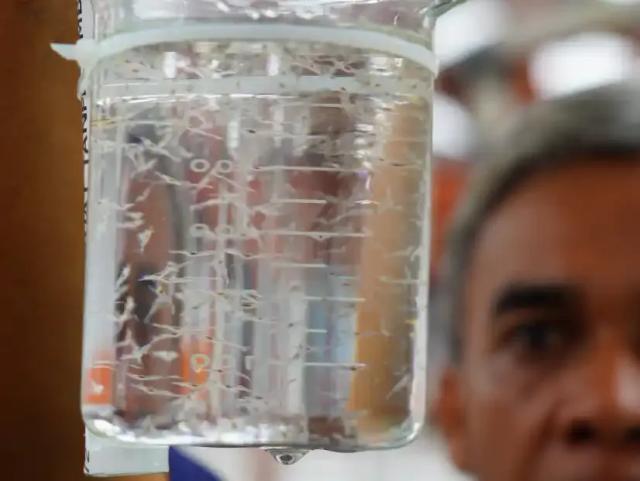
The life cycle of Vaname shrimp is divided into several critical stages that require specific attention. The Post Larvae (PL) Phase is the most vulnerable stage where the shrimp begin developing basic physical systems and digestive tracts. This is followed by the Nursery Phase, a vital transition where shrimp become more active and require a stable environment to support morphological development.
As they enter the Grow-Out Phase, Vaname shrimp experience rapid growth and increased resistance to environmental changes. During this stage, they consume more feed and require more space. Finally, the Harvest Phase is the culmination of the cycle where the shrimp reach marketable size. Throughout all these phases, consistent monitoring of health and water quality is essential to ensure that the final product meets high market standards and remains profitable for the farmer.
Precise Feeding Strategies per Phase
Effective feeding must be tailored to the physical size and metabolic needs of the shrimp at each stage:
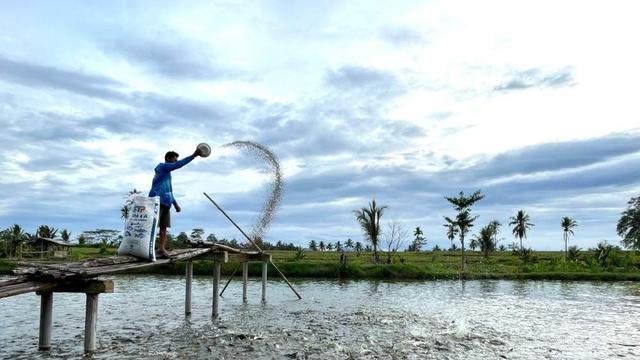
PL Phase Feed: Requires high-protein content to support rapid development. Crumble or fine powder formats are ideal as they are easily digestible for young shrimp with developing systems.
Nursery Phase Feed: Focuses on balanced nutrition, including proteins and fats, to support a quick increase in body weight during the transition. Feeding must be frequent and strictly controlled.
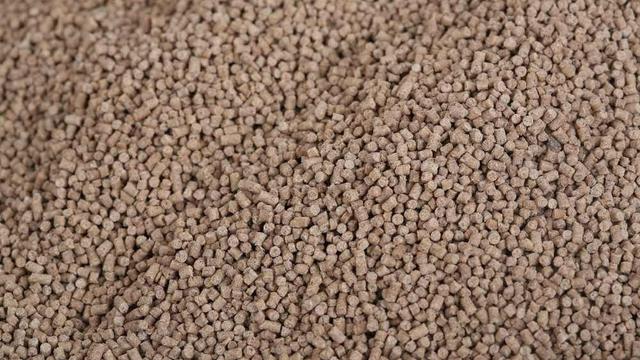
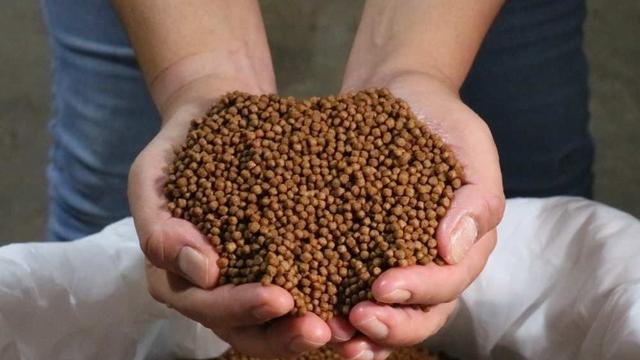
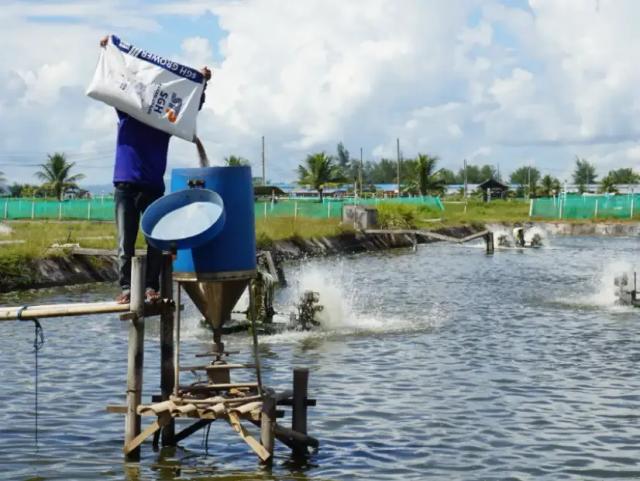
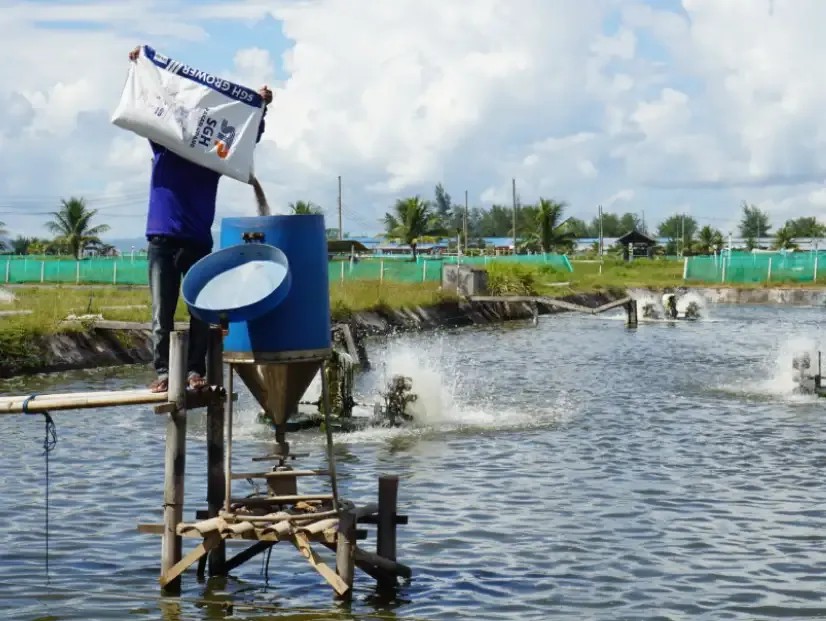
Grow-Out Phase Feed: Shifts toward a balance of energy, protein, and carbohydrates to support biomass increase. Sinking pellets are highly recommended here to minimize waste and ensure high feed efficiency.
Harvest Phase Feed: Prioritizes cost efficiency and final meat quality. Feed is regulated to ensure optimal weight and firm texture before the shrimp are collected for the market.
Common Challenges in Feed Selection
Improper feed selection can trigger a cascade of issues. Using the wrong feed size or low-protein content during the PL phase can disrupt digestion, leading to stunted growth and high mortality rates. Nutritional imbalances, such as a lack of essential lipids or vitamins, weaken the shrimp's defense against stress and pathogens. Furthermore, incorrect dosing leads to uneaten feed, which deteriorates water quality and inflates production costs. Matching the feed specifications to the specific life stage is the only way to avoid these operational hurdles.
Recommended Vaname Shrimp Feed by STP Aquaculture
To achieve optimal results, farmers can utilize specialized product lines designed for each phase:
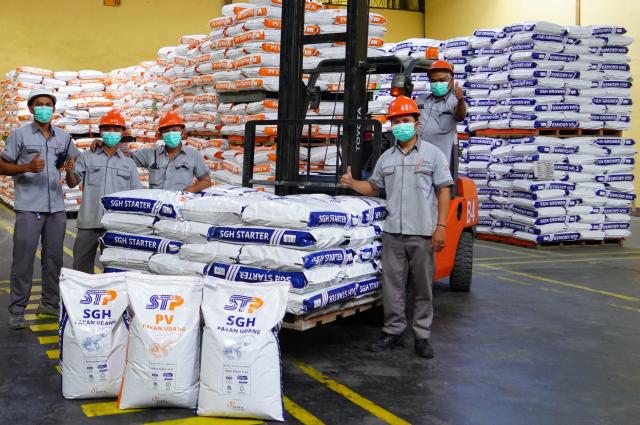
- Post-Larvae Phase | STP PV (Premium Value): High-protein formulation that supports early tissue formation and uniform growth in intensive systems.
- Nursery Phase | STP SGH (Super Growth Habitat): Designed to help shrimp overcome transition stress, boosting immunity and growth during environmental changes.
- Grow-Out Phase | STP TOV, SGH, and FORTUNA: Optimizes rapid growth and feed efficiency. These are cost-effective options that maintain water stability in semi-intensive and intensive ponds.
- Harvest Phase | STP FORTUNA: Ensures shrimp reach peak weight with superior meat quality while maintaining an efficient FCR through eco-friendly ingredients.
The Critical Link Between Water Quality and Feed
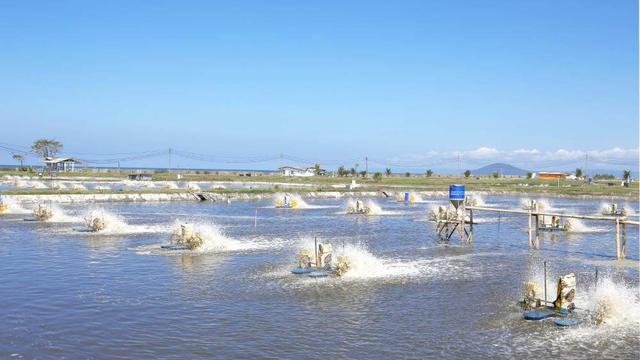
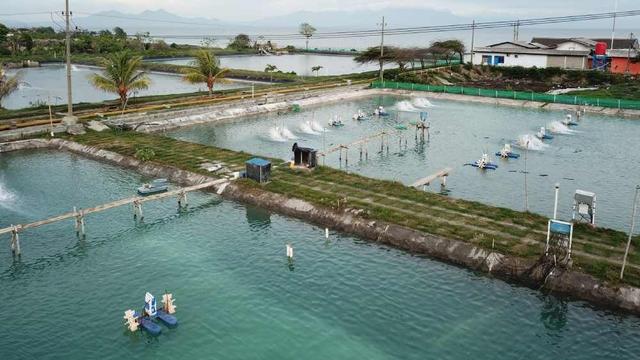
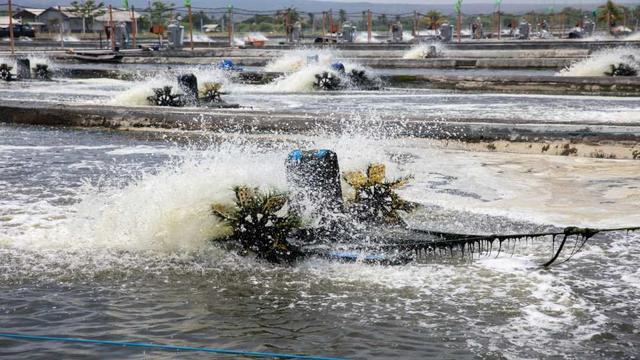
Water quality is the primary factor influencing feeding effectiveness. Vaname shrimp are highly sensitive to parameters such as pH, dissolved oxygen, and ammonia levels. Poor water quality hinders digestion, reducing the efficiency of nutrient conversion. Conversely, adequate dissolved oxygen levels allow shrimp to process feed optimally. Farmers must regularly measure and adjust these parameters; a stable environment ensures that the feed provided translates directly into growth rather than becoming a pollutant.
The Key to Successful Vaname Cultivation
The success of Litopenaeus vannamei cultivation is inextricably linked to precise feeding. From the high-protein requirements of the PL stage to the energy-focused finishing of the harvest phase, each step requires a specific nutritional profile. Ignoring these requirements leads to poor health, increased disease susceptibility, and wasted operational capital.
By maintaining a discipline of routine water monitoring and selecting phase-appropriate nutrition, farmers can maximize their yields. Elevate your Vaname shrimp production with the premium feed range from STP (Suri Tani Pemuka). Designed to accelerate Average Daily Gain (ADG) and significantly lower FCR, STP feed is your strategic partner for healthier, more uniform, and highly profitable shrimp harvests.