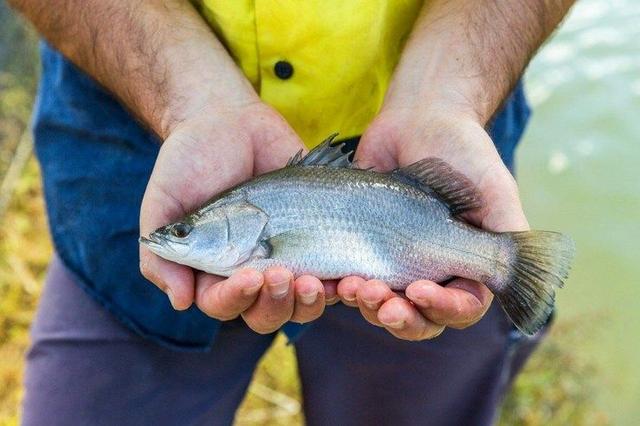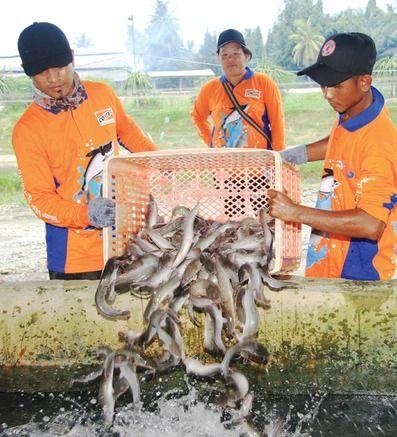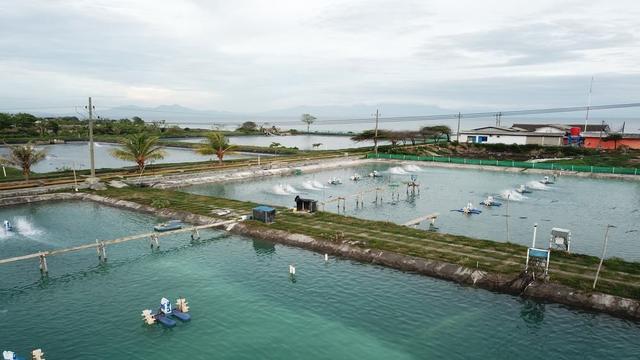
Fish parasites are organisms that live on or in a fish's body, drawing nutrients from their host. In Indonesian freshwater aquaculture ponds, the most commonly found species are Trichodina, Dactylogyrus, Gyrodactylus, Ichthyophthirius multifiliis (the causative agent of white spot disease), and the fish louse Argulus. The symptoms are fairly distinctive: fish rub their bodies against the bottom or walls of the pond, swim near the surface, lose their appetite, produce excess mucus, and in white spot cases, tiny salt-grain-sized dots appear on the skin and fins. Treatment rests on three pillars: identifying the parasite species through microscopic examination, improving water quality and stocking density, and carrying out repeated treatments in accordance with the parasite's life cycle because a single round of treatment almost always fails.
One thing that must be understood from the outset is that parasites are almost always present in ponds in small numbers without causing problems. What turns them into an outbreak is a condition that suppresses the fish's immune defenses. For this reason, managing parasites is much more about improving the environment than simply pouring in medication.
Why Parasites Spread So Easily in Aquaculture Ponds
In the wild, fish live at low densities in water that is constantly replenished. In aquaculture ponds, both of these conditions change. Fish are crowded into a confined space, making it easy for parasites to move between them, while friction between bodies creates small wounds that serve as entry points.
As an example: a study on koi conducted by Elisafitri and a team from Airlangga University, published in the IOP Conference Series in 2021, revealed some striking findings. Net cages with the highest stocking density 150 fish per square meter recorded a Trichodina prevalence of 80 percent and a Dactylogyrus prevalence of 60 percent. The researchers attributed this to two factors: greater organic waste output leading to declining water quality, and more frequent fish-to-fish contact resulting in more skin injuries.
Interestingly, lower-density ponds in the same study actually found a greater variety of parasites, but with milder infestations. This suggests that density does not determine which parasites are present, but rather how severe the infestation becomes.
The Most Commonly Found Parasite Species
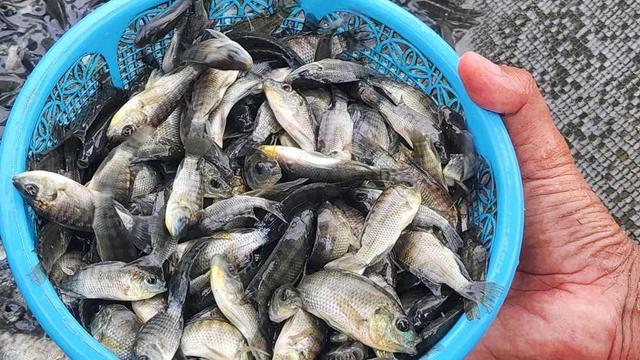
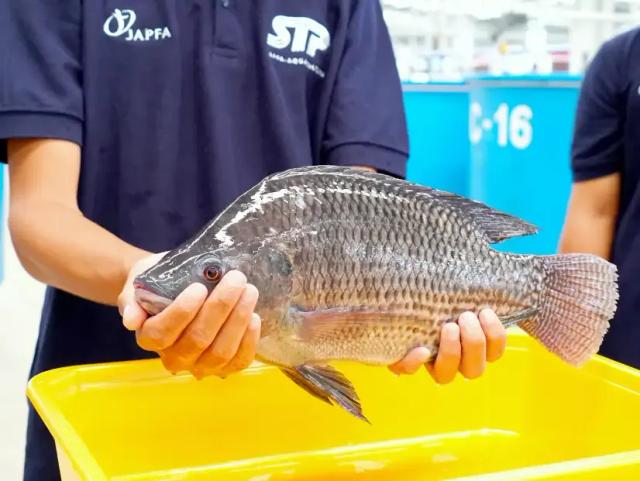
Trichodina is a disc-shaped, ciliated protozoan that attaches to the skin and gills. It is the species most frequently found in fry. A study by Yuliani, Pratiwi, and Yulistiana, published in the journal Biota in February 2023, examined 15 tilapia fry and 15 catfish fry measuring 5 to 6 cm at the Ciganjur Fish Hatchery. The results showed that Trichodina was found in 86.6 percent of catfish fry and 66.6 percent of tilapia fry.
Ichthyophthirius multifiliis is the causative agent of white spot disease and the easiest to identify, due to the salt-grain-sized white dots it produces on the skin and fins. In the same study, this parasite was found in 66.6 percent of catfish fry. It warrants special attention because its life cycle directly determines how it must be treated, a topic covered in the next section.
Dactylogyrus and Gyrodactylus are both extremely small flatworms. Dactylogyrus typically attacks the gills, while Gyrodactylus attacks the skin and fins. In the Ciganjur study, Dactylogyrus was found in 6.6 percent of tilapia fry. That figure may appear small, but gill infestations are dangerous because they directly impair the fish's ability to breathe.
Argulus, or fish lice, is large enough to be seen with the naked eye it appears as a flattened, greenish spot moving across the fish's body. It sucks blood and leaves open wounds that are susceptible to bacterial infection.
Symptoms That Can Be Identified Without Equipment
The earliest symptoms are behavioral rather than physical. Fish affected by parasites will rub their bodies against the pond floor or walls, swim restlessly near the surface, or cluster in one corner. Physical signs appear afterward: excess mucus that makes the skin appear cloudy, clamped or torn fins, and a reduced appetite.
One important point that is frequently misunderstood is that white spots do not always appear even when the parasite is present. A guide from the University of Florida Institute of Food and Agricultural Sciences notes that in infections confined to the gills, white spots may be entirely invisible. What is visible instead are pale, swollen gills, and mass mortality can occur. Conversely, white spots alone are not sufficient to confirm a diagnosis, since several other conditions produce a similar appearance. Microscopic examination of skin mucus scrapings or gill clippings remains necessary for a definitive identification.
Why a Single Round of Treatment Almost Always Fails
This is the part that most often leads to frustration among fish farmers. Medication is applied, the fish appear to improve for a few days, then the symptoms return and the medication gets blamed for being ineffective. The explanation lies in the parasite's life cycle.
In Ichthyophthirius multifiliis, the life cycle is divided into several stages. The trophont stage is the adult parasite, embedded beneath the skin or on the gill surface. The tomont stage occurs when the parasite detaches from the fish and forms a mucus-encased cyst on the pond floor. Inside that cyst, the parasite multiplies into hundreds of offspring, which then swim freely in search of a new host during the theront stage.
The critical point is that only the theront stage is vulnerable to treatment. The trophont is protected by the fish's skin and mucus layer, while the tomont is protected by the walls of its cyst. This means a single treatment only kills parasites that happen to be swimming freely at that moment, while those in protected stages survive and re-emerge days later.
The speed of this cycle depends on water temperature. The same guide notes that the entire cycle completes in approximately three to six days at around 24 to 26 degrees Celsius, and that division inside the cyst can occur in as little as 18 to 24 hours at 23 degrees. In cooler water, the cycle lengthens. This is why treatment must be repeated multiple times at intervals that match the water temperature, not applied once and considered done.
A Rational Approach to Treatment
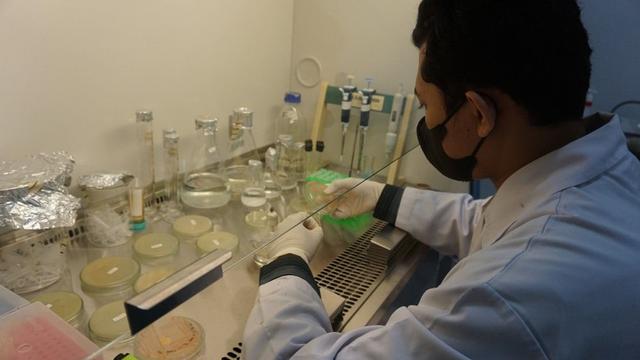
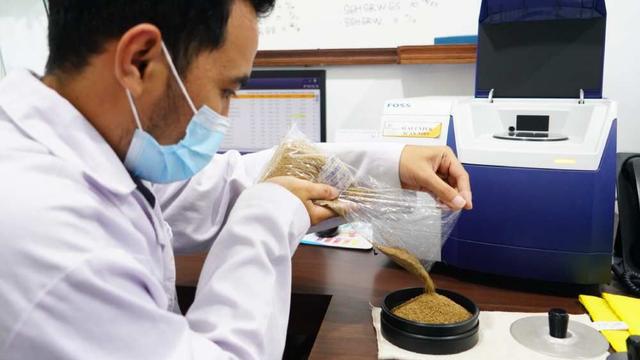
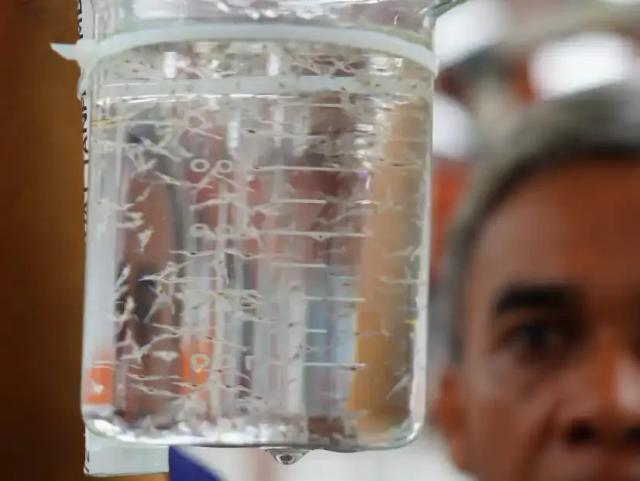
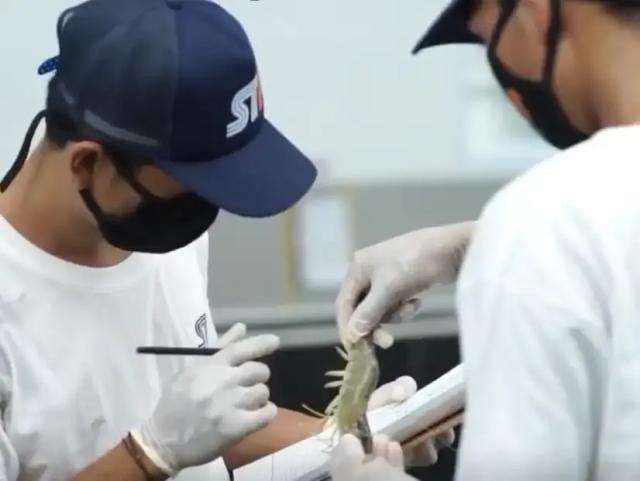
The first step is identifying the cause. Treating without knowing the parasite species risks using the wrong substance and wasting money. Microscopic examination of mucus scrapings and gill clippings is the most reliable method. STP's Mobile Diagnostic Lab service makes this type of examination possible on-site at the farm, so results do not have to wait for samples to be shipped to a distant facility.
The second step is addressing the underlying conditions that allowed the parasite to explode: reducing stocking density if it is excessive, improving water quality, siphoning the pond floor, and ensuring adequate oxygen levels, especially in the early morning hours before dawn. Without this step, any treatment is only a temporary fix.
The third step is treatment itself, repeated in accordance with the parasite's life cycle. For specific substances and dosages, seek guidance from a local Aquaculture Extension Office officer or a technical advisor, as the correct dose depends heavily on the species and size of the fish, water temperature, and pond volume. Incorrect dosing can cause more harm than the parasites themselves.
The fourth step is isolating sick fish when possible, and ensuring that equipment is not shared between ponds without being cleaned first. Nets and buckets are among the most commonly overlooked transmission routes.
Prevention Is Always Cheaper
Prevention begins with pond preparation before stocking: draining the bottom, removing sludge left over from the previous cycle, and sterilizing both the pond floor and equipment. For this stage, Perosolv from STP which combines nano-silver with hydrogen peroxide can be used to suppress fungi, bacteria, and biofouling on pond floors and equipment, with a relatively low environmental footprint. It should be noted that this product is intended for pond and equipment sterilization, not for direct application to fish. You can also explore several product innovations for fish and shrimp aquaculture from STP.
Next, filter incoming water, quarantine new fish before introducing them to existing stock, and keep stocking density in proportion to aeration capacity. Finally, a fish's immune defenses are heavily determined by nutrition. Malnourished fish are more susceptible to infection and recover more slowly, so ensuring that feed protein levels are appropriate for the species and growth stage is a preventive measure that is often underestimated. Further discussion is available in the review on tilapia feed and the series on aquaculture fish feed for other commodities. For those also farming shrimp, a similar prevention framework can be referenced in the review on whiteleg shrimp diseases.
FAQ
What are the signs of a fish infected with parasites?
The earliest signs are behavioral: fish rubbing their bodies against the pond floor or walls, swimming restlessly near the surface, and clustering in one corner. This is followed by excess mucus production, clamped or torn fins, reduced appetite, and in white spot cases, tiny salt-grain-sized dots appearing on the skin and fins.
Why does white spot come back after treatment?
Because only the free-swimming stage of the parasite is vulnerable to treatment. Parasites embedded beneath the fish's skin are protected by mucus, while those resting on the pond floor are protected by the cyst wall. Treatment must be repeated several times at intervals determined by water temperature so that newly hatched parasites are also eliminated.
Can fish parasites spread to humans?
The parasites discussed in this article Trichodina, Dactylogyrus, Gyrodactylus, Ichthyophthirius, and Argulus are fish-specific and do not infect humans. That said, hygiene should still be maintained when handling sick fish, and fish that have died should not be consumed, as the death may be accompanied by secondary bacterial infection.