Inside a Modern Shrimp Farm: The Setup Behind 40 Tons per Hectare
General • 2026-09-23
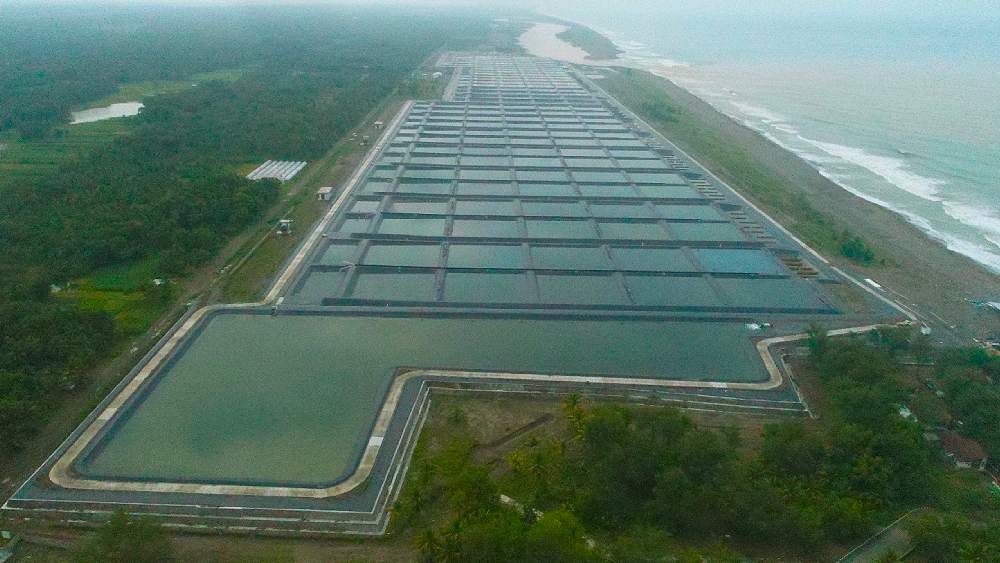
A modern shrimp farm is one built on engineering, current technology, tight management, and environmental limits it intends to respect, all aimed at getting far more out of every hectare.
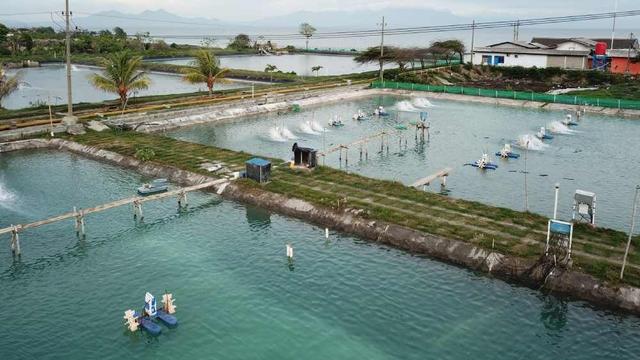
In practice that means ponds lined with HDPE plastic or concrete across the floor and walls, water kept moving and oxygenated by paddlewheels, sludge pulled out through a drain at the center of the pond, and discharge treated before it leaves the property. The equipment is not really what sets these farms apart. The method is. Almost everything that touches the shrimp, from how many animals share a square meter to how much oxygen is dissolved in the water, gets measured and adjusted every day. The difference in output is stark. Cluster-based modern farms in Indonesia can harvest roughly 40 tons of shrimp per hectare per cycle, while traditional ponds usually produce a few hundred kilograms up to about one ton.
That kind of yield has a price attached. Capital costs are much higher, and one careless night can wipe out a pond. Below is what the system is made of, why the harvest climbs so sharply, and when it makes sense to move up.
How It Differs From a Traditional Pond
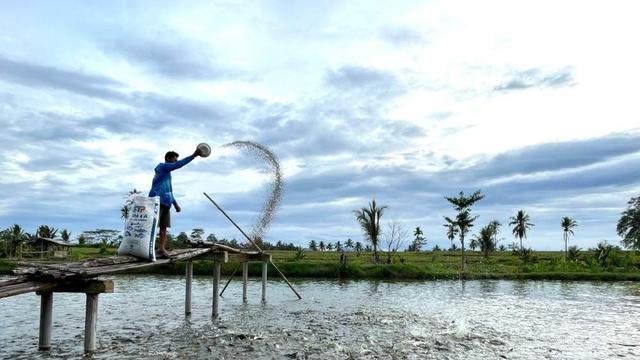
A traditional farm is usually a wide earthen pond that runs on the tide. The shrimp feed largely on whatever grows in the water on its own, and the farmer intervenes very little. It is cheap, it carries low risk, and the harvest is small.
A modern farm works the other way around. Ponds are kept smaller so they can be watched properly, commonly 1,000 to 2,000 square meters each. Incoming water is settled and filtered before it is pumped in. Feeding runs on a schedule, and water conditions are logged several times a day. A traditional pond follows nature. A modern pond manages it.
The Six Core Components
Six pieces show up on nearly every modern farm, each with a specific job.
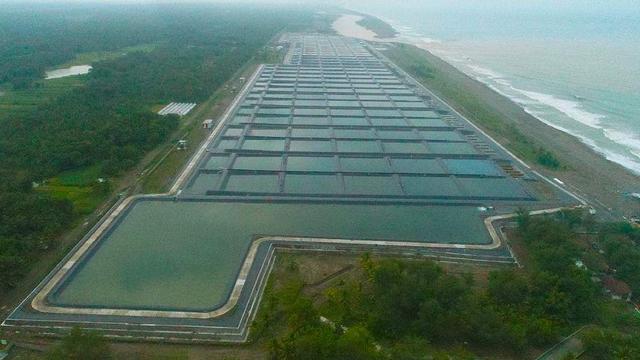
HDPE-lined or concrete ponds. HDPE is a heavy plastic sheet laid over the floor and walls. It keeps soil out of the water, which makes the pond far easier to clean and stops pathogens from building up in the bottom sediment.
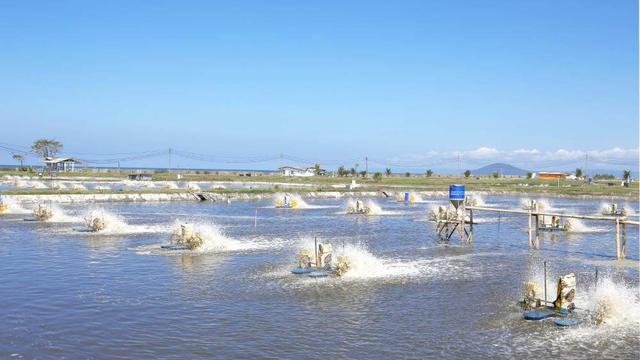
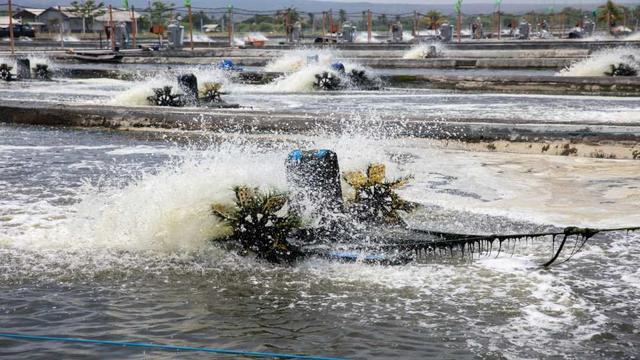
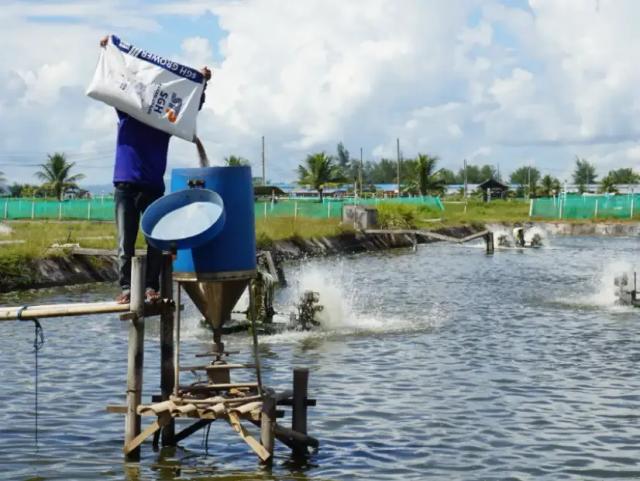
Paddlewheels or another aeration system. Paddlewheels push oxygen into the water and create the current that gathers waste toward the middle of the pond. In a densely stocked pond, a few hours without aeration can kill the entire stock. Getting the number and placement right is one of the first decisions when you set up a vannamei operation.
A reservoir pond. Seawater is held and settled here before it enters the grow-out ponds. Silt and debris drop out along the way, so the water reaching the shrimp is cleaner.
A central sludge drain. Since the current from the paddlewheels pushes waste toward the middle, the drain sits exactly at that point. Uneaten feed and solids can be flushed daily without draining the pond.
Wastewater treatment. A series of ponds that clean the discharge before it goes out to the sea or a river. It protects the surrounding environment and also keeps dirty water from being drawn straight back into the intake.
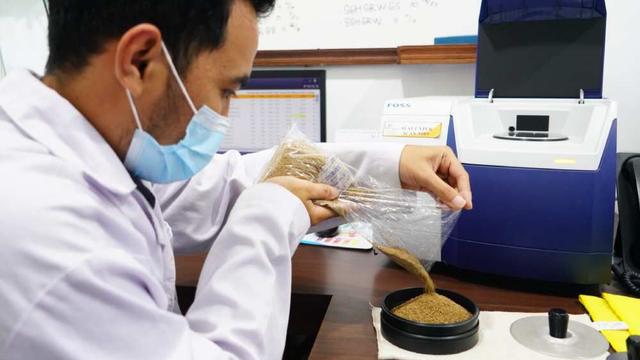
Routine water quality monitoring. Dissolved oxygen, pH, temperature, and ammonia are checked several times a day. Those records are what tell you when to add aeration, exchange water, or cut back on feed.
Why the Yield Climbs So Far
Three things work together to produce the jump.
First, much higher stocking density. Stocking density is the number of shrimp held per square meter of pond. Traditional farms typically stock 5 to 10 per square meter, while modern farms can run 100 or more. More shrimp in the same space means more harvest, as long as water conditions can carry the load.
Second, controlled water. Oxygen is held above 4 mg/L, waste is removed on a routine, and incoming water has already been settled, so the shrimp are rarely under stress. Calm shrimp eat well and grow faster.
Third, disease pressure drops. Lined ponds, filtered water, and limits on who and what enters the farm make it much harder for pathogens to get in. That approach is called biosecurity, and it works alongside careful post-larvae selection and disease management as the foundation of the whole system.
Capital and Risk Both Go Up
This setup demands money upfront. HDPE liner, paddlewheels, pumps, a backup generator, a reservoir pond, and wastewater treatment all have to be in place before a single post-larva goes in. Electricity is a real line item too, since the paddlewheels run for most of the day.
Risk rises with density. In a sparsely stocked traditional pond, nature forgives a small mistake. In a dense pond, one overnight power cut or one batch of infected post-larvae can empty a compartment within days. That is why modern farms keep backup power and staff on rotating watch.
What Actually Determines Results
Technology is only half of it. Modern farms that harvest consistently tend to be strong in four areas: healthy seed, feed of consistent quality, disciplined water records, and fast action at the first sign of disease.
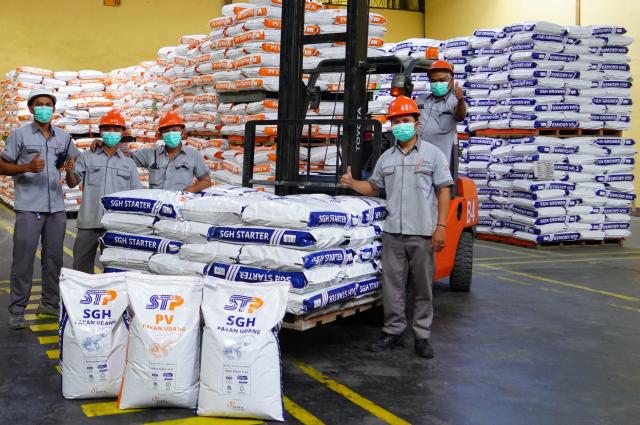
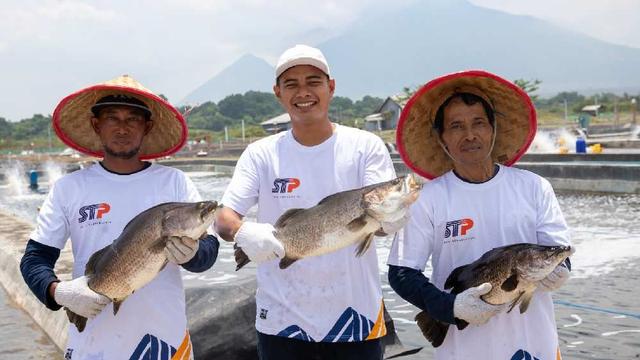
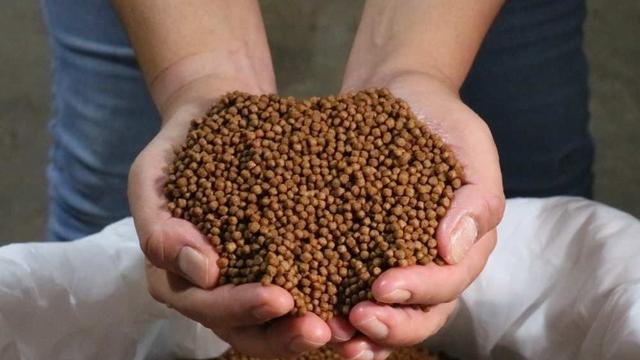
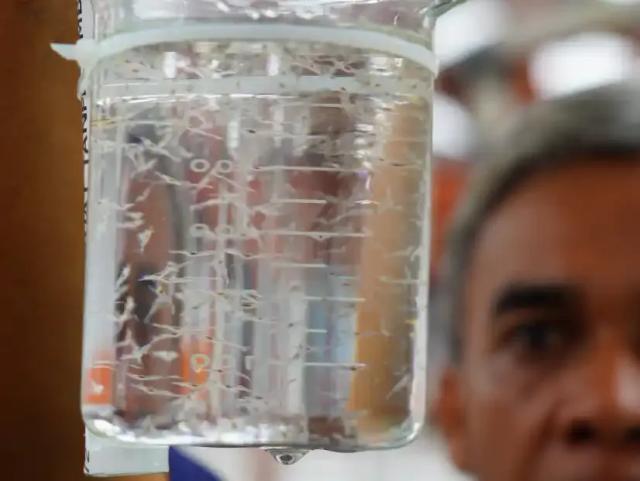
Seed sets the starting point. STP, part of JAPFA and operating since 1987, runs its own feed mills, shrimp hatcheries, and farms. One option from its hatchery and farm operations is Super PL, vannamei post-larvae grown to PL30 under strict biosecurity, which arrive more uniform in size at stocking. On the feed side, the vannamei feed range is built stage by stage, from STP PV early on, through STP SGH and STP SGH MAX during grow-out, to STP TOV heading into harvest. Its technical team can help match the feeding schedule to what your ponds are doing week to week.
When It Makes Sense to Move Up
Not every farmer needs to make the jump right away. It adds up when the capital is there without mortgaging everything, the power supply is reliable, the seawater source is clean, and someone is ready to log water conditions every single day.
If one of those is missing, upgrading in stages is safer. Plenty of farmers install paddlewheels and build a reservoir pond first, then line a single compartment with HDPE as a trial. That gives you time to learn how a dense pond behaves before the big money goes out the door.
A modern shrimp farm takes control of the things a traditional farm leaves to nature: water quality, stocking density, and the routes disease uses to get in. That control is what makes roughly 40 tons per hectare per cycle possible. The trade is heavy capital and daily discipline. If you are ready for it, build the components out one at a time and keep the quality of your seed and feed steady while you do.
FAQ
How much can a modern shrimp farm harvest per hectare?
Cluster-based modern farms in Indonesia can reach roughly 40 tons per hectare per cycle. That is far above traditional ponds, which generally produce a few hundred kilograms up to about one ton per hectare per cycle. Actual results still depend on stocking density, seed quality, and water management.
Which components does a modern shrimp farm need?
At minimum there are six: HDPE-lined or concrete ponds, paddlewheel aeration, a reservoir pond to settle incoming water, a central sludge drain, wastewater treatment, and routine water quality monitoring. They support one another, so skipping any one of them pulls the whole result down.
Can a traditional pond be converted into a modern farm?
Yes, and it is better done in stages. Many farmers start by installing paddlewheels and building a reservoir pond, then line one compartment with HDPE as a trial before expanding. Make sure the power supply is stable and someone is logging water conditions regularly, because a dense pond leaves very little room for oversight.