Tilapia Feeding Management: Comprehensive Strategies from Seedlings to Harvest
General • 2026-05-11
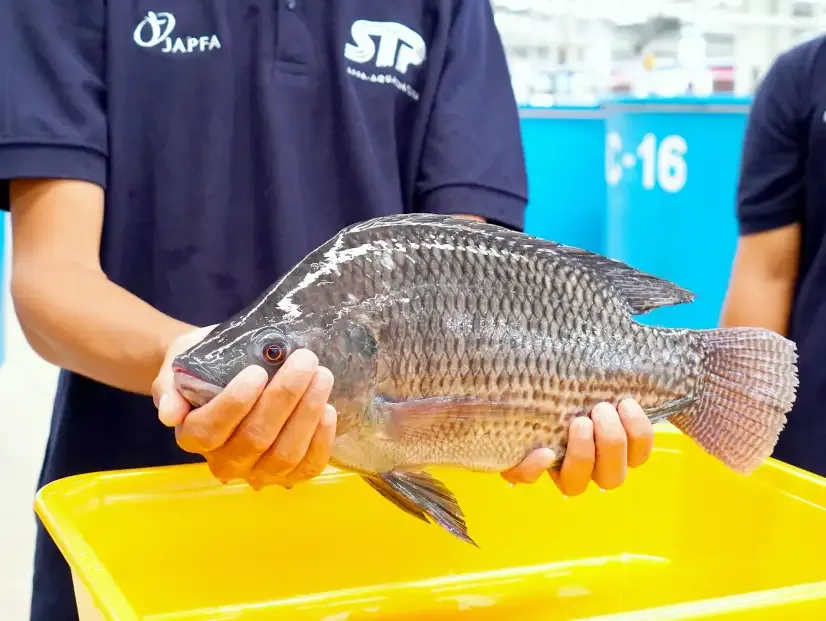
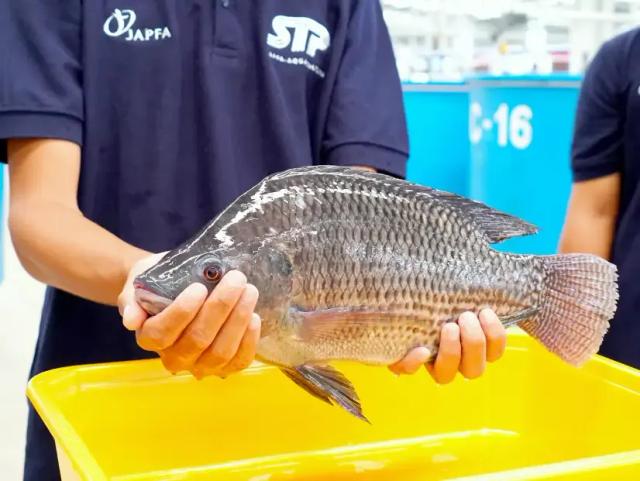
Tilapia (Oreochromis niloticus) remains one of the most vital freshwater commodities in the global aquaculture industry. Its popularity is rooted in its remarkable adaptability, rapid growth rates, and consistently high market demand. However, in modern intensive cultivation, feed management is the most critical variable to master, as feed costs often represent the largest portion of total production expenses. Achieving a profitable harvest requires more than just high-quality feed; it demands a strategic approach that aligns nutritional intake with the specific biological needs of the fish at every stage of their development.
Understanding Nutritional Requirements Across Growth Phases
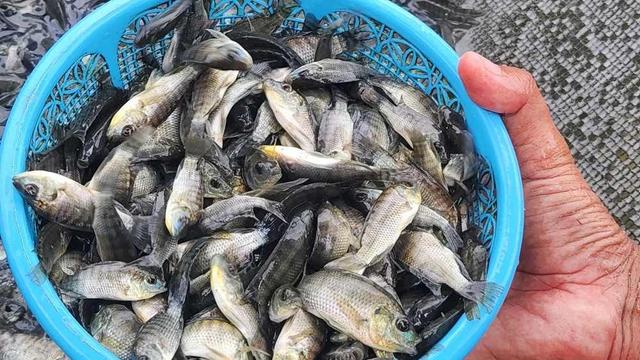
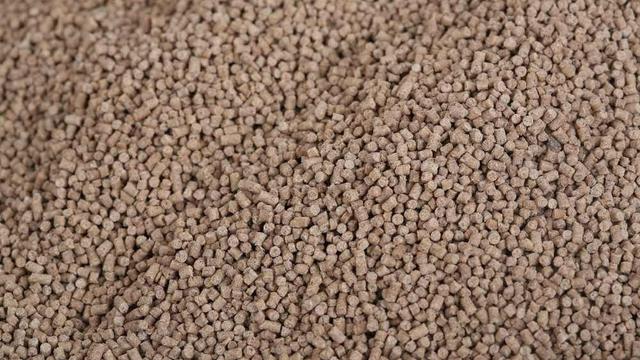
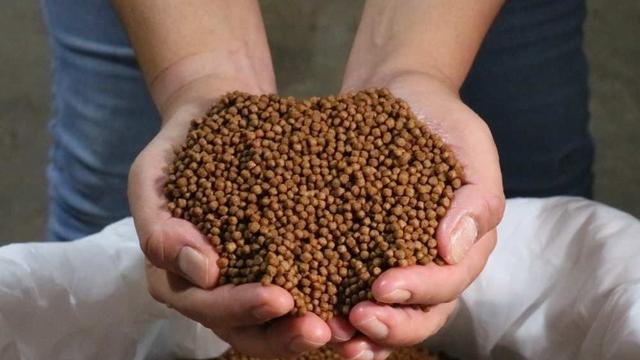
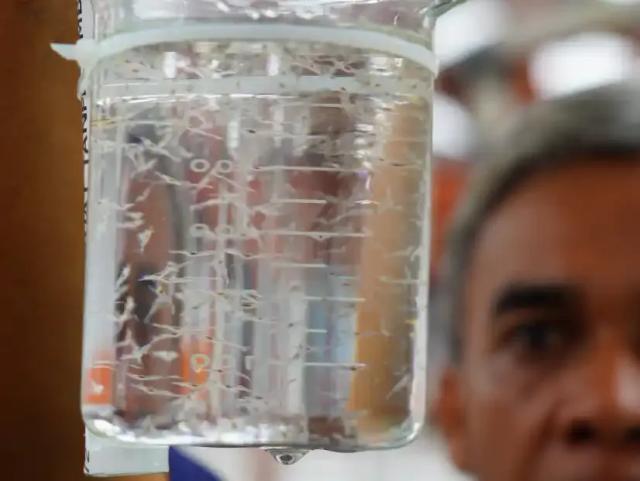
The biological profile of tilapia changes significantly as they grow, and their diet must evolve accordingly. In the initial Seedling Phase, when fish weigh between 1 and 5 grams, the primary objective is rapid tissue formation and skeletal development. During these first few weeks, a high-protein diet typically around 40% is essential to support this accelerated growth and ensure a high survival rate. Using premium starter feeds like PA GOLD in crumble or fine powder form ensures that the nutrients are easily accessible and digestible for the young fry.
As the fish transition into the Nursery and Growing Phases, their body weight increases from 5 grams toward the 200-gram mark. At this stage, the focus shifts toward maximizing biomass and optimizing the Feed Conversion Ratio (FCR). Nutritional requirements slightly change, with protein levels settling between 26% and 32%. Utilizing specialized products like STP NGA 10 or SPF Extruder helps maintain uniform growth across the pond population while improving phosphorus absorption, which is vital for both fish health and maintaining water clarity.
The Final Stretch: Pre-Harvest and Finishing
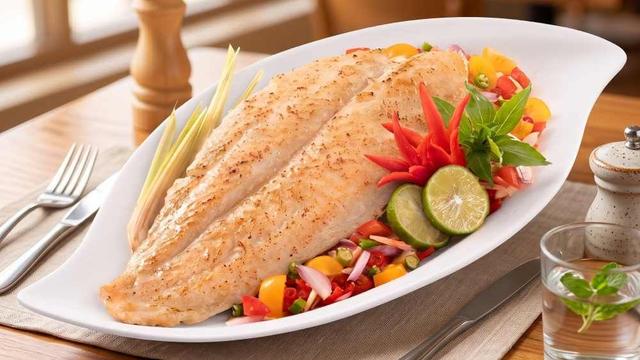
Reaching the Pre-Harvest Phase (above 200 grams) requires a strategy focused on final weight finishing and meat quality. While the growth rate begins to naturally stabilize, the energy density of the feed remains important for weight maintenance. A critical yet often overlooked step is the "cleansing" process. By providing specific low-fat feeds 1–2 weeks before the final harvest, farmers can ensure the meat has a clean, premium flavor profile, effectively eliminating any "muddy" odors that can sometimes affect freshwater fish.
Throughout these transitions, the method of switching feeds is as important as the feed itself. A sudden change in pellet size or nutritional composition can cause "feed drop," where fish experience stress or a loss of appetite. To prevent this, a gradual transition is recommended: mixing the new feed with the old in increasing proportions over several days. This maintains consistent metabolic activity and prevents any stagnation in the Average Daily Gain (ADG).
Feeding Behavior and Environmental Management
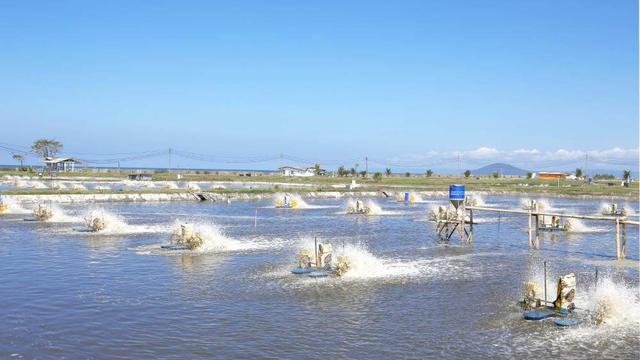
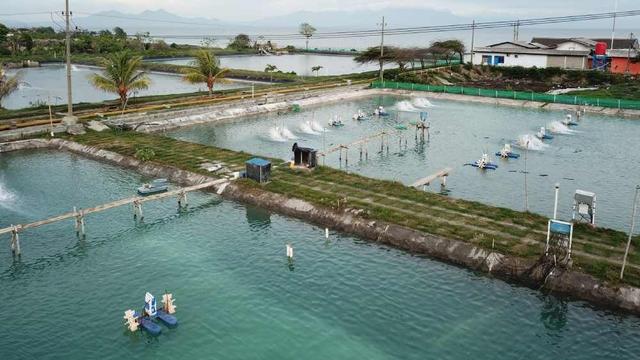
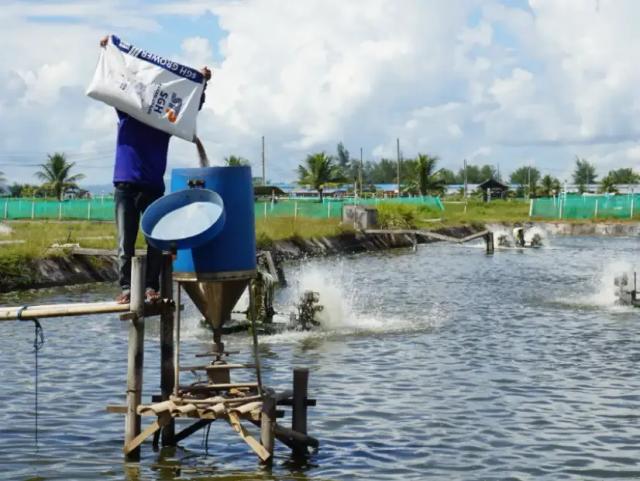
Tilapia are natural "continuous feeders" and omnivores. In the wild, they consume small amounts of phytoplankton and organic matter throughout the day. Translating this behavior to a farm setting means that frequent, controlled feedings usually 3 to 5 times per day are much more effective than providing one or two large meals. This gradual intake allows for better nutrient absorption and significantly reduces the amount of wasted feed that settles and decomposes at the bottom of the pond.
Environmental factors, particularly weather and water temperature, also dictate feeding success. In higher temperatures, fish metabolism increases, but excessive heat can also cause stress and lower oxygen levels, leading to a decrease in appetite. Conversely, cold weather slows down their digestive processes. Successful cultivators monitor these conditions daily, adjusting feeding frequency and volume to ensure that the fish are never underfed or overfed.
Evaluating Performance and Long-term Success
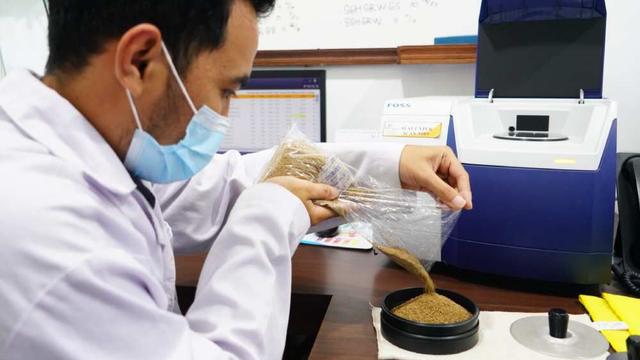
To ensure the cultivation is on the right track, farmers must rely on data-driven evaluations. The FCR (Feed Conversion Ratio) is the ultimate indicator of efficiency; a lower FCR means the fish are successfully converting their feed into high-quality meat. If the FCR rises unexpectedly, it serves as a signal to check for underlying issues such as poor water quality, incorrect pellet size, or health stressors.
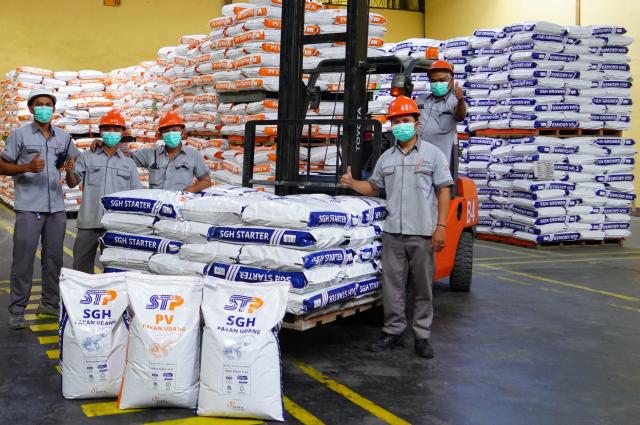
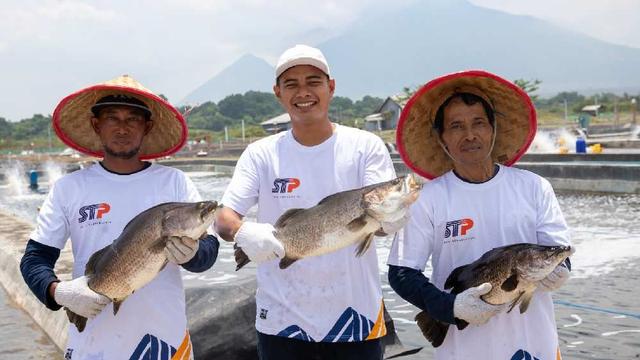
Ultimately, feed is not just a source of energy; it is the foundation of the fish's immune system. A balanced diet rich in essential vitamins and minerals acts as a first line of defense against diseases and environmental fluctuations. By partnering with a specialized feed range like STP (Suri Tani Pemuka), which offers tailored solutions for every stage of the lifecycle, cultivators can secure faster growth cycles, healthier livestock, and a significantly more profitable harvest.