Modern Pangasius Farming: A Practical Guide
General • 2026-06-30
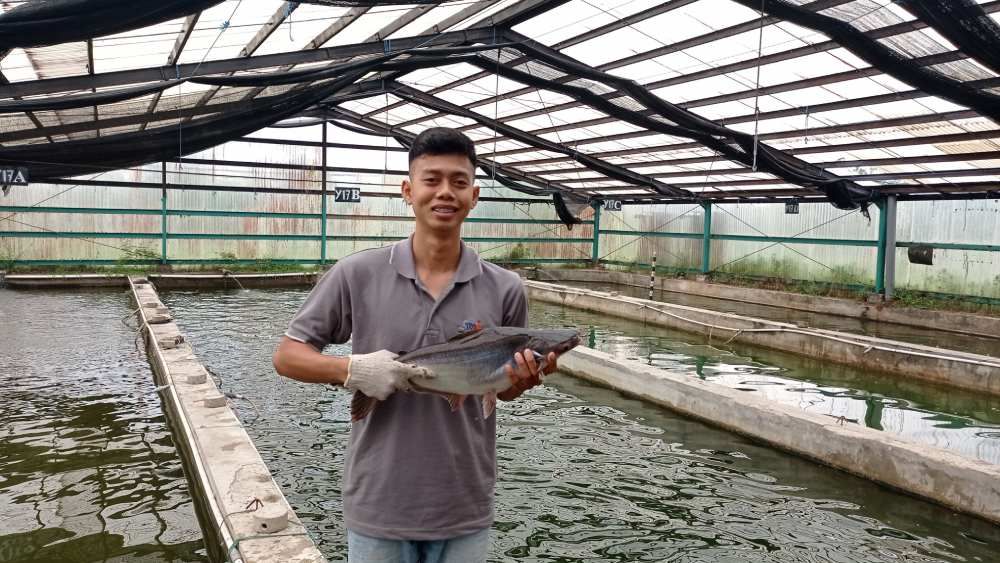
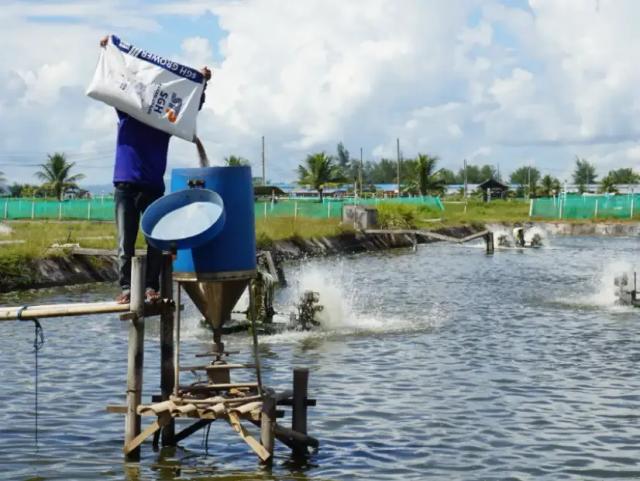
Pangasius farming in Indonesia is no longer synonymous with muddy earthen ponds and guesswork harvest cycles. Today's modern farmers have choices: entry-level tarpaulin ponds, intensive concrete tanks, water-efficient biofloc systems, or floating net cages in reservoirs. This article breaks down the practical steps of pangasius farming from selecting a system, preparing the pond, and phase-by-phase feed management, to pre-harvest cleansing complete with target FCRs, water parameters, and notes on when to adjust your strategy if results fall short of expectations.
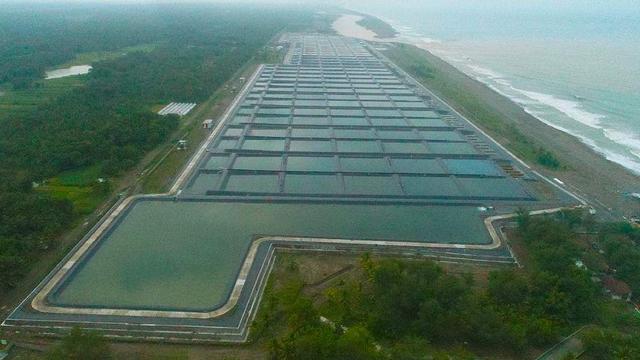
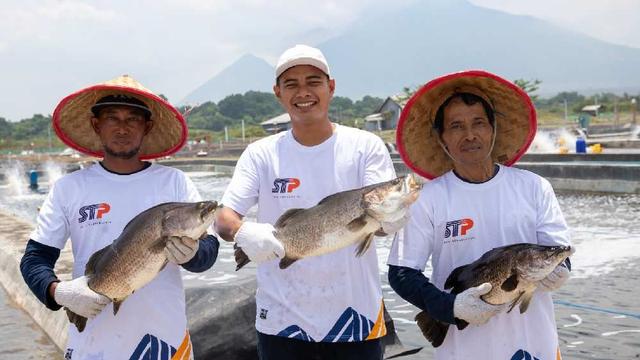
Pangasius remains one of the most solid freshwater commodities for a simple economic reason. National production topped 400,000 tons in 2023, with South Sumatra and Jambi as the main hubs. The market is twofold: frozen fillets for export and whole fresh fish for the domestic market. STP, as part of JAPFA, operates a pangasius processing plant in Banyuwangi, serving as a downstream anchor in the national value chain. This context is rarely shared by standard feed suppliers.
What is Modern Pangasius Farming?
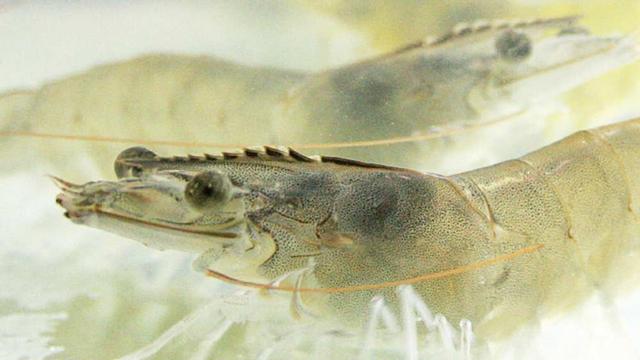
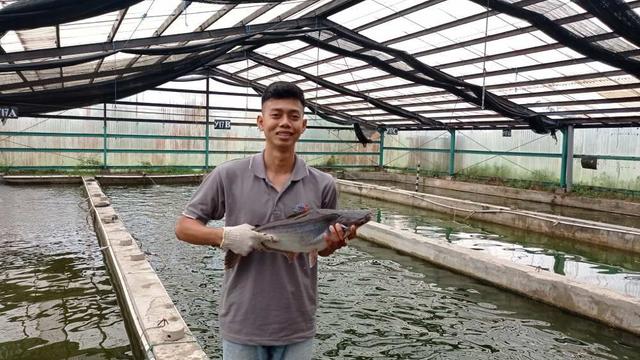
Modern pangasius farming is the approach of rearing Pangasianodon hypophthalmus (Striped catfish/Patin Siam) or Pangasius djambal (Patin Jambal) using tarpaulin, concrete, biofloc, or floating net cage systems, combined with strict water quality control and growth-phase-based feed management. The harvest cycle lasts 5-8 months, growing 5 cm fry to a weight of 800 grams to 1 kg, achieving a Feed Conversion Ratio (FCR) of 1.2-1.6 and a survival rate of 80-90% in well-managed intensive systems.
What separates the modern approach from traditional farming isn't just the type of pond, but the mindset. Modern farmers treat ponds like controlled production facilities: water parameters are measured daily, feeding is scheduled by growth phase, and biosecurity is enforced right from the farm gate. This is where consistent, formulated feed support—from the fry stage to pre-harvest—determines whether FCR targets are met or missed.
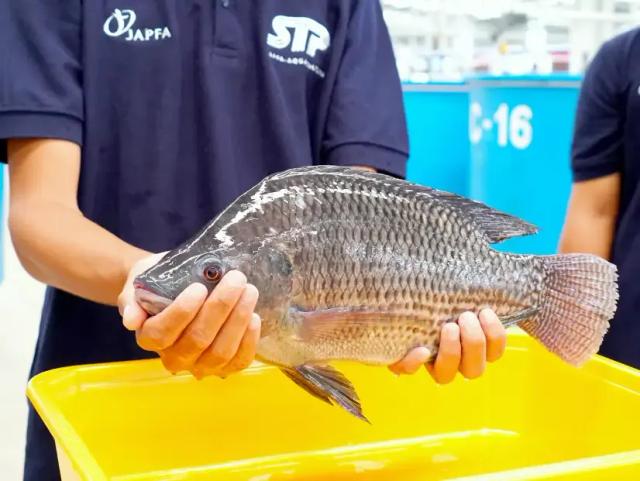
Patin Siam dominates production because it grows quickly, tolerates high stocking densities, and has an efficient FCR. Patin Jambal is favored by farmers targeting the premium fillet market due to its pure white meat. Consequently, Jambal fry are harder to source and their cultivation is more complex.
Which Pond System is Best for Pangasius?
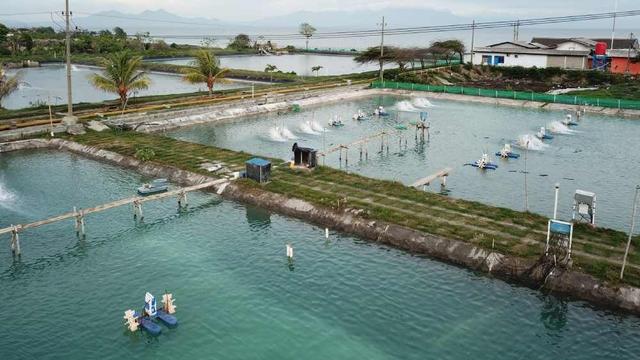
There isn't a single system that excels in every aspect. Your choice really depends on your available capital, production targets, land availability, and access to water. Here is a summary of the five most common options used in Indonesia today:
Tarpaulin Ponds (Modern Entry-Level)
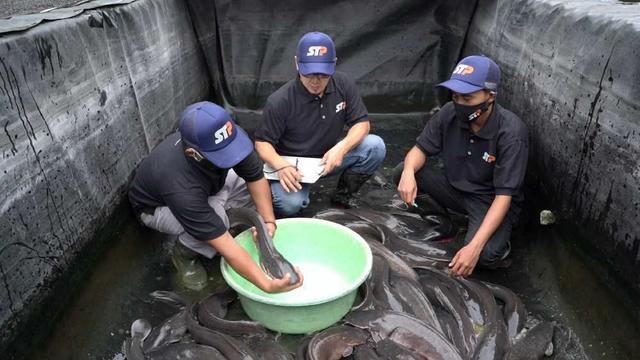
This is often the most practical choice because it offers good water quality control and better biosecurity. It boasts an efficient Feed Conversion Ratio (FCR) of 1.3 to 1.6 and can handle a stocking density of 20 to 40 fish/m².
Traditional Earthen Ponds
If your capital is very limited, this low-cost system requires minimal management. However, the trade-offs are significant: the stocking density is quite low (5 to 15 fish/m²), the FCR swells to 1.6 to 2.0, the harvest cycle is longer, and there is a high risk of the fish developing a muddy flavor.
Intensive Concrete Ponds
This setup provides the best feed efficiency with an FCR of 1.2 to 1.4 and gives you full control for a high stocking density of 50 to 100 fish/m². Keep in mind that it requires high capital and intensive aeration.
Biofloc Systems
Requiring medium-to-high capital, this system allows for a dense stocking of 80 to 150 fish/m². It is highly water-efficient, and the biofloc itself serves as supplemental feed, keeping the FCR low at 1.2 to 1.5. This operates under comprehensive water quality control and recycling.
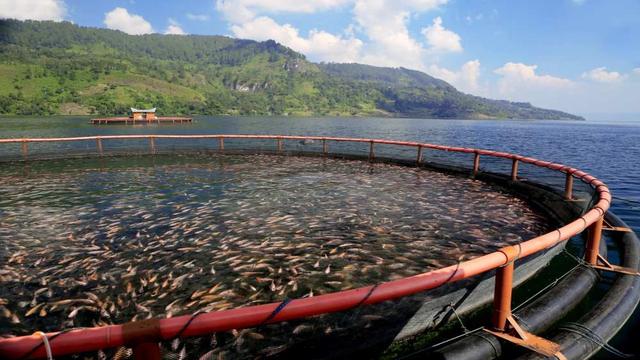
Floating Net Cages (KJA) in Reservoirs/Lakes
If you want to scale up the business quickly, this system offers the highest stocking density at 100 to 200 fish/m² with medium capital needed for infrastructure. The estimated FCR is 1.4 to 1.7, though your success is highly dependent on—and vulnerable to—natural fluctuations in the reservoir's water quality.
Pond Preparation: Steps Before Stocking
Haphazard pond preparation usually shows its consequences two weeks later: stressed fry, high first-week mortality, and wildly off-target FCRs right from the start. Here is the standard workflow used by semi-intensive farmers:
- Drying the pond bottom for 5-7 days (specifically for earthen ponds) to kill pathogens and neutralize residual organic matter from the previous cycle.
- Liming with CaCO₃ at 100-200 g/m² to stabilize bottom pH and break the cycle of pathogenic bacteria.
- Gradual water filling from a clean source (well, irrigation canal, or spring); ideally passed through a mechanical filter to keep wild fish out.
- Probiotic microbe inoculation (specifically for biofloc or tarpaulin ponds aiming to minimize ammonia), applied 5-7 days before stocking.
- Measuring baseline parameters: pH 6.5-7.5, DO ≥ 4 ppm, temperature 26-30°C, and free ammonia (NH₃) < 0.5 ppm.
- Leaching new tarpaulins for 3-5 days to remove plastic residues and factory chemicals.
For new concrete ponds, soaking for 7-10 days with running water and allowing natural weathering is recommended so the pond water's pH doesn't spike due to the cement.
Important note: Free ammonia, not total ammonia, is the crucial parameter. Two ponds with the same total ammonia but different pH levels will have vastly different toxicity burdens for the fish.
Selecting and Stocking Pangasius Fry Correctly
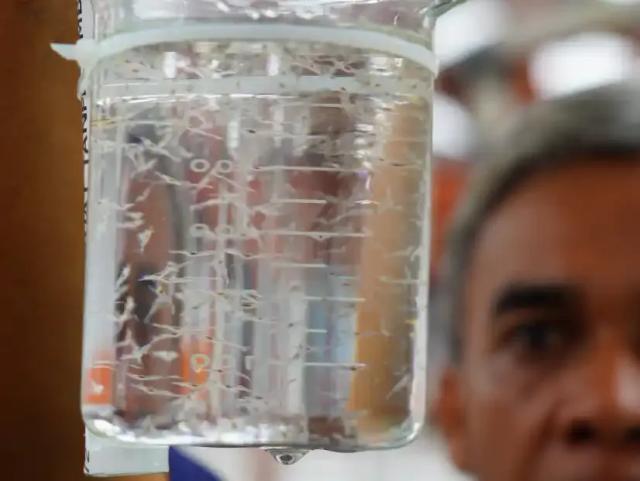
Good pangasius fry don't require a long inspection to be recognized. They have a uniform size (3-5 cm for the nursery phase, or 5-8 cm for direct grow-out), are highly active, swim upright, have no wounds on their fins or gills, display bright body colors, and immediately swim against the current when the tank water is gently stirred.
The source of the fry matters. Certified hatcheries provide guaranteed origins, vaccinations (if applicable), and age uniformity—three things that are nearly impossible to validate from traveling suppliers.
Acclimatization is the most frequently underestimated step. The plastic bag containing the fry should be floated in the pond for 20-30 minutes to adjust the temperature. Then, pond water is gradually introduced into the bag for 10-15 minutes before releasing the fry. The best time for stocking is in the morning (06:00-08:00) or late afternoon (16:00-18:00) when water temperatures are most stable, preventing temperature-shock stress.
Feed Management by Growth Stage
Pangasius grow through four biologically distinct nutritional phases: fry, nursery, grow-out, and pre-harvest finisher. Their protein requirements decrease as they age. This isn't because the fish become more efficient, but because their metabolic priority shifts from tissue formation to muscle and fat deposition. Here is the feed structure per phase based on Indonesian aquaculture literature and Ministry of Marine Affairs and Fisheries (KKP) standards:
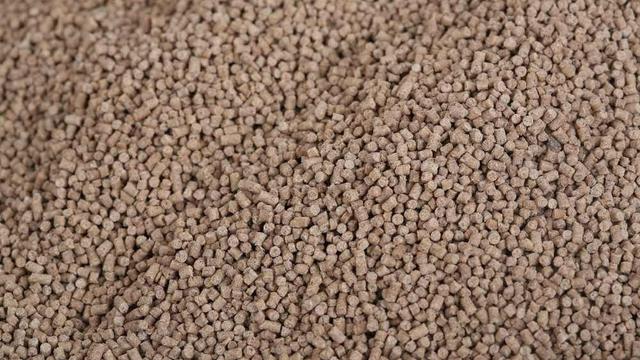
- Fry/Starter Phase: For fish measuring 3-5 cm over a 0-30 day duration. Use crumble/powder feed measuring ≤ 0.7 mm with the highest protein content (40%), fed 4-6 times a day at a feeding rate of 5-10% of body weight (BW)/day.
- Nursery Phase: For fish measuring 5-15 cm over a 30-90 day duration. Switch to 1-2 mm pellets with 30-32% protein, fed 3-5 times a day at a feeding rate of 5-8% BW/day.
- Grow-Out Phase: For fish measuring 15-30 cm over a 90-180 day duration. Use 3-5 mm pellets with 26-30% protein, fed 3-4 times a day at a feeding rate of 3-5% BW/day.
- Pre-Harvest Phase: For fish > 30 cm during the final 2-4 weeks. Stick with 3-5 mm pellets but switch to a low-fat, 26% protein formulation, fed just 2-3 times a day at the lowest feeding rate of 1.5-2% BW/day.
The nursery standards from BPBAT Sungai Gelam Jambi (KKP, September 2024) confirm a minimum requirement of 40% protein during the larval-fry phase, using 0.4-0.7 mm crumbles and a 4x daily frequency. This serves as a strict benchmark for the early stages: if protein drops below 38% during this phase, growth is stunted and the survival rate drops.
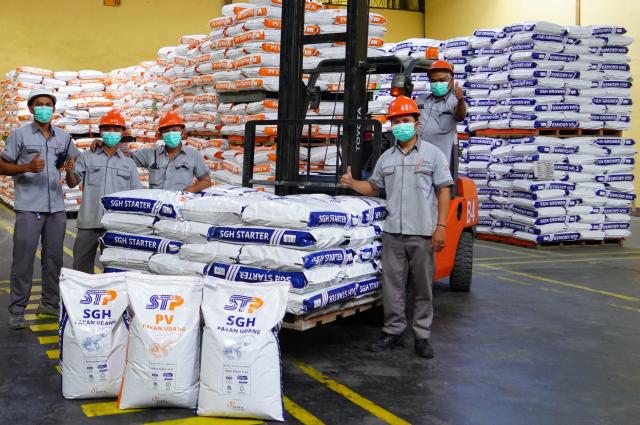
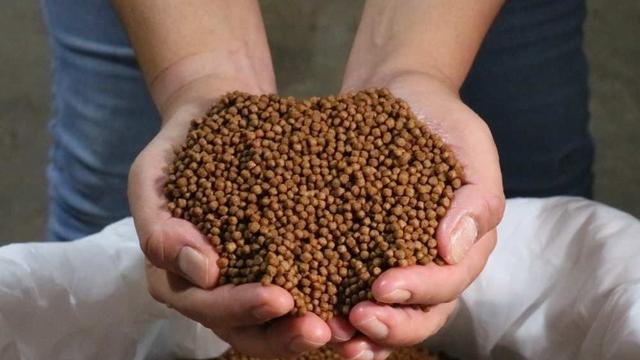
In practice, STP's freshwater fish feed series can be used as a commercial option whose nutritional profile perfectly aligns with pangasius needs at every stage. PA GOLD (40% protein, 3% crude fiber) is ideal for the fry stage, featuring a crumble format suited to the fry's mouth size. Entering the nursery phase, STP NGA 10 with 32% protein supports rapid growth and better phosphorus absorption, thereby reducing nitrogen waste in the pond. From the grow-out to pre-harvest phases, STP SPF Extruder (26% protein, 6% fat) delivers the required FCR efficiency during peak biomass, alongside a moderate fat profile that aids the cleansing process before harvest.
Satiation feeding—feeding until the fish aggressively stop eating—is more accurate than weighing doses on paper. Field failures often happen when operators feed on a rigid schedule without reading the fish's satiation signals.
How to Maintain Water Quality and Fish Health
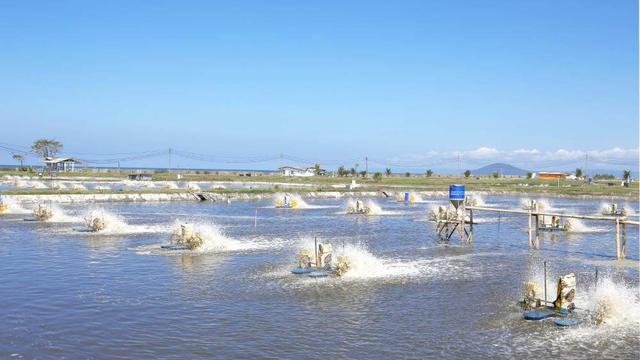
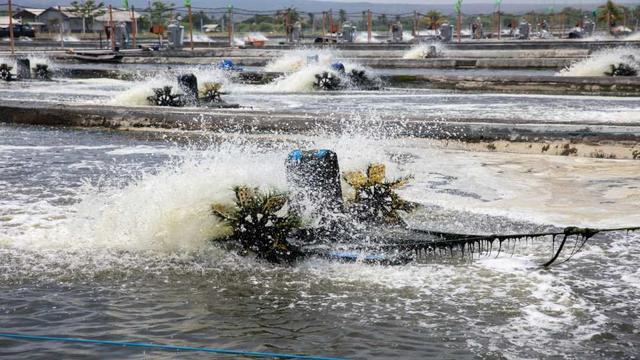
Pangasius are often labeled "resilient" because they can breathe atmospheric oxygen through their suprabranchial labyrinth organ. While true, using this as an excuse to withhold aeration investments is an economic mistake. At densities of 80+ fish/m², aeration remains mandatory because growth and FCR are highly sensitive to Dissolved Oxygen (DO). A DO above 4 ppm yields much more consistent Average Daily Growth (ADG) compared to DO levels fluctuating around 2-3 ppm.
Five mandatory parameters to monitor daily:
- Temperature: Target 26-30°C. If it exceeds 32°C, provide shading or increase water inflow.
- pH: Target 6.5-7.5. Use dolomite lime to raise it, or flush with fresh water to lower it.
- DO: Target ≥ 4 ppm. Turn on aerators at night and early morning (when photosynthesis stops).
- Free NH₃: Target < 0.1 ppm. If it spikes, change 30% of the water and add nitrifying probiotics.
- CO₂: Target < 5 ppm. High levels usually indicate overfeeding or insufficient aeration.
To maintain DO above 3 ppm in intensive ponds, the AT21 ME500 aerator from the STP ATD team is an energy-efficient solution for small-to-medium ponds. Opt for the ME1500 variant for medium-to-large ponds with high stocking densities.
The three most common diseases attacking pangasius are Aeromonas hydrophila (a bacteria that can cause mass mortality if not treated quickly), the parasite Trichodina sp. (which attacks the skin and gills), and the fungus Saprolegnia sp. (opportunistic in stressed or injured fish). Prevention is far more economical than treatment: avoid overstocking, perform routine water changes, sterilize equipment between ponds, and do not let uneaten feed sit at the bottom of the pond. If symptoms appear, consult a veterinarian or local fisheries extension officer instead of blindly dumping antibiotics into the water without a proper diagnosis.
Harvesting: When and How to Eliminate Muddy Flavor
Indicators of harvest readiness depend on your target market. For the fresh domestic market, a weight of 800 g to 1 kg is generally absorbed at stable prices. For fillet processing (including shipments to the Banyuwangi pangasius processing plant), weights of 1.5-2 kg are preferred due to a higher fillet yield.
A classic issue with pangasius is the muddy off-flavor, caused by the accumulation of geosmin and 2-MIB (2-methylisoborneol) produced by blue-green algae and bacteria in muddy ponds. The solution is a pre-harvest purging or cleansing process in clean, running water.
Research by Mukti (2005) at IPB precisely measured this dynamic: in running water at 3 L/second at 32°C, with a density of 1 kg of fish per 19 liters of water, the muddy flavor dropped significantly within 12 hours and disappeared completely in 60 hours. In industrial practice, a 5-7 day cleansing period is the standard SOP, offering a safe biological and operational margin. During cleansing, fish are starved or given low-fat feed; STP SPF Extruder, with its 6% fat profile, is often chosen as a transitional feed before total starvation.
Post-harvest handling is critical: fish should be harvested using cast nets or gradual draining, quickly dispatched in an ice slurry (0-2°C) to prevent stress-induced meat quality degradation, and delivered to collectors or processors within 6 hours.