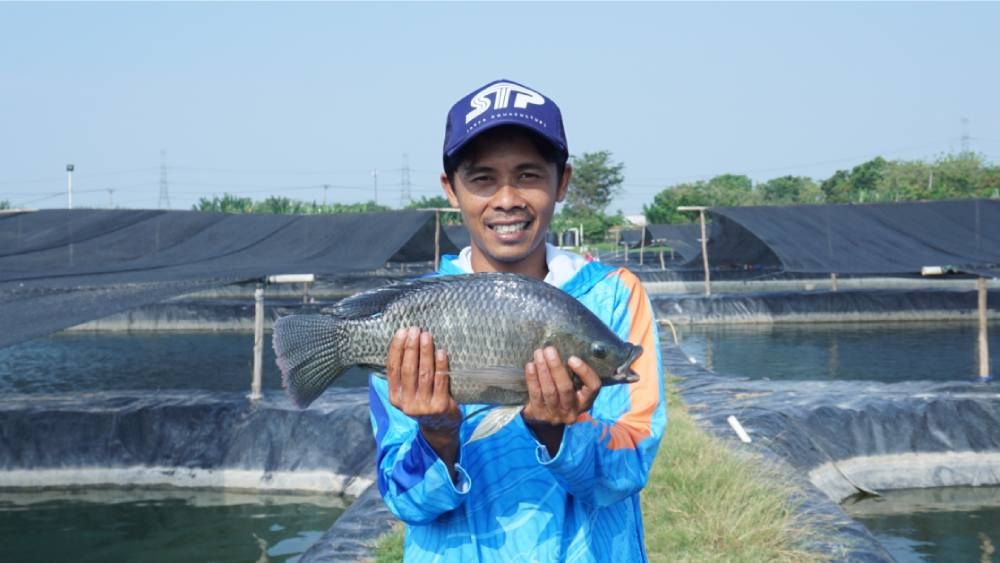
Probiotics for tilapia involve introducing beneficial microorganisms into your farming system to support fish health and maintain water quality. The benefits break down into four key areas: healthier digestion so more nutrients from feed are actually absorbed; cleaner, more stable pond water as leftover feed and waste are broken down; better disease resistance so more fish survive to harvest; and improved feed efficiency with less going to waste. In short, one product works in two places at once inside the fish's gut and in the pond water.
For these reasons, probiotics have become widely used by tilapia farmers across pond liner, earthen pond, and high-density setups. This article covers what probiotics are, how they benefit tilapia, how to apply them, and what to look for when buying and storing them.
What Are Probiotics and How Do They Work?
Probiotics are collections of live beneficial bacteria that, when given in adequate quantities, support the health of the fish and the environment they live in. In tilapia farming, the most commonly used types are Bacillus bacteria and lactic acid bacteria such as Lactobacillus names you'll typically find printed on the product label. Some products also include yeast and other bacteria that help break down organic matter in the water.
The mechanism is straightforward. These beneficial bacteria compete with harmful, disease-causing bacteria (known as pathogens) for space and nutrients in the gut and water. When beneficial bacteria establish themselves first, harmful bacteria have a harder time gaining a foothold. Beyond simple competition, some beneficial bacteria also produce natural compounds that actively suppress the growth of harmful microbes.
Benefits of Probiotics for Tilapia
The benefits of probiotics are interconnected, running from the fish's gut all the way to the pond floor. Here's what farmers notice most in practice:
- Better digestion, more nutrition absorbed. Probiotics maintain a healthy bacterial balance in the intestines and produce digestive enzymes. Feed gets broken down more completely, so more of it converts into fish flesh.
- Improved feed efficiency. When feed is well-absorbed, less feed is needed to achieve the same weight gain. This is captured by the feed conversion ratio (FCR), the amount of feed required to produce one kilogram of fish. In tilapia with healthy digestion, FCR can be brought down to around 1.2–1.5, and every small saving translates to lower feed costs.
- Suppression of disease-causing bacteria. By occupying the gut and the water, probiotics leave less room for the pathogens that commonly affect tilapia.
- Cleaner pond water. Beneficial bacteria break down leftover feed and fish waste. Some species also convert ammonia — a toxic byproduct of waste into far less harmful compounds. Cleaner water keeps fish feeding well.
- Better survival rates to harvest. Fish with healthy guts and clean water are less prone to stress and disease. More of them make it to harvest a metric commonly referred to as the survival rate or sintasan.
All of these benefits are amplified when probiotics are combined with good farming practices. For anyone just getting started, the guide on tilapia farming for beginners, from seed to harvest is a solid starting point before diving into probiotic use.
How to Apply Probiotics in Tilapia Farming
There are two common methods of applying probiotics, and they can be used together for best results.
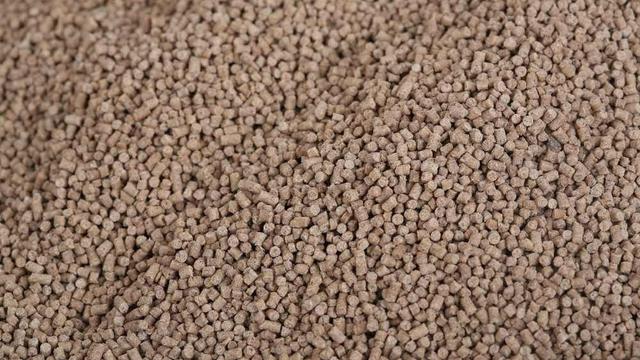
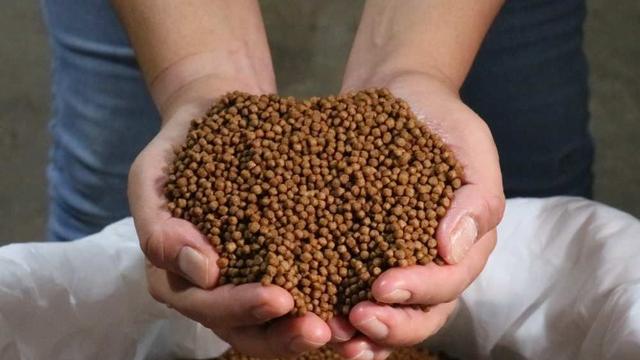
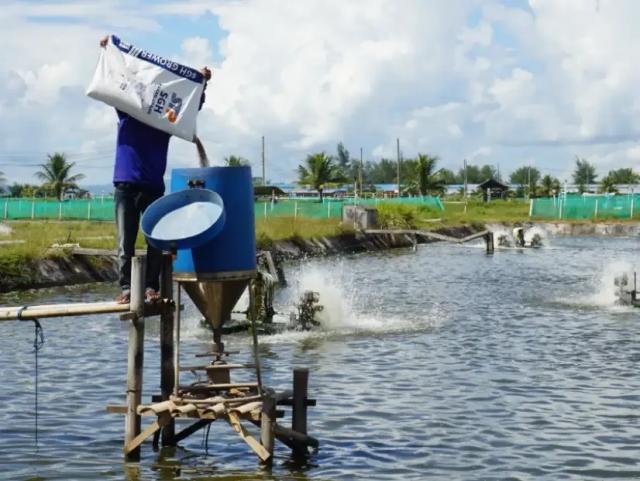
The first is mixing probiotics into the feed. Spray or blend liquid or powdered probiotics evenly onto the pellets, add a small amount of a binder such as molasses (sugarcane syrup) or egg white to help it stick, then let it sit for about 10–15 minutes before feeding. This method targets the fish's gut directly, and its impact on feed savings tends to be the most noticeable. For best results, pair it with a consistently high-quality tilapia feed.
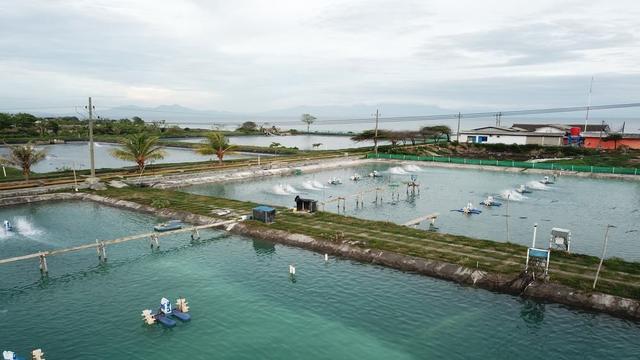
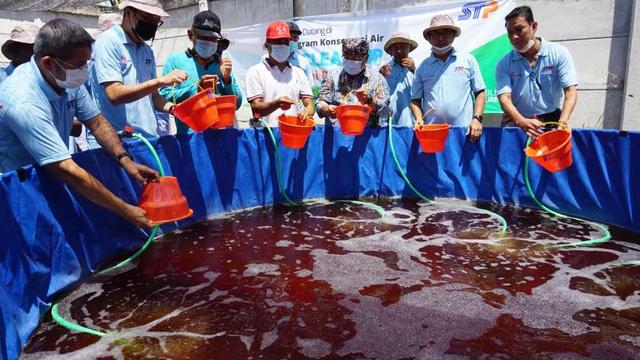
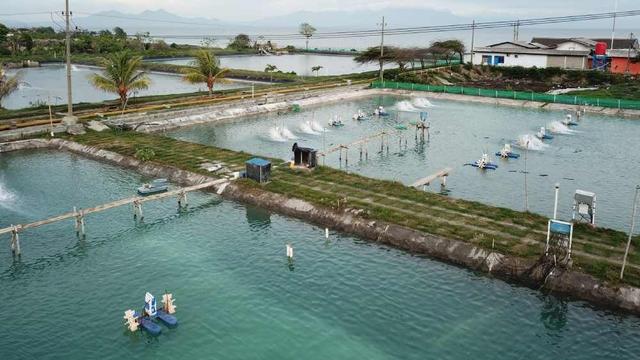
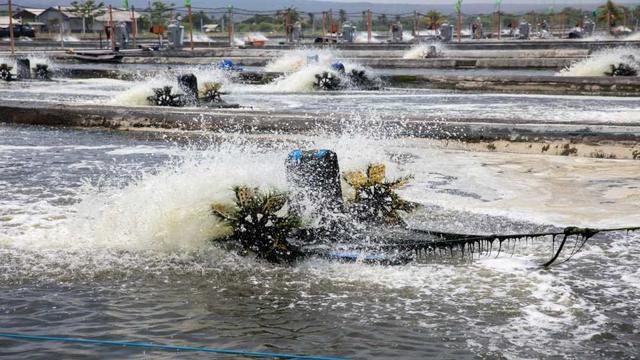
The second method is broadcasting probiotics directly into the pond water. Many farmers first ferment the probiotics with molasses and clean water, letting the mixture sit for several hours up to a day to multiply the bacterial population, then spread it evenly across the pond. This approach is most effective for maintaining water quality and breaking down ammonia. Probiotics are best applied in the morning, when dissolved oxygen levels in the water are rising.
Tips for Choosing and Storing Probiotics
Not all products labeled as probiotics are equal in quality. When evaluating your options, keep these points in mind:
- Check the bacterial strains and counts. A quality product will clearly list the species of bacteria it contains such as Bacillus or Lactobacillus along with a colony-forming unit (CFU) count. The higher the CFU, the more active bacteria per dose.
- Make sure the product is officially registered and carries a clear label with an expiry date.
- Match the product to your need: some probiotics are formulated for digestive support (to be mixed with feed), while others are designed to improve water quality (to be broadcast into the pond).
For storage, remember that what's inside the bottle is alive. Keep it in a cool, shaded spot away from direct sunlight and excessive heat, both of which can kill the bacteria. Seal the bottle tightly after each use to prevent contamination. One thing that's easy to forget: never mix probiotics with chlorine, antibiotics, or disinfectants these substances kill bacteria indiscriminately, including the beneficial ones you're trying to introduce.
Probiotics in Biofloc Systems
The role of probiotics becomes even more significant in high-density pond setups. In a biofloc system, bacteria are deliberately cultivated so that organic waste is converted into small clumps called flocs that fish can eat as a supplemental natural feed source. Bacillus bacteria found in many probiotic products are often used as starter cultures to build and sustain this floc community.
When the population of beneficial bacteria is kept in balance, water chemistry is easier to manage, the water stays more stable, and the pond can be stocked at higher densities without the need for frequent water changes. For a deeper look at this approach, see the article on the biofloc system as a water-efficient, high-density farming solution.
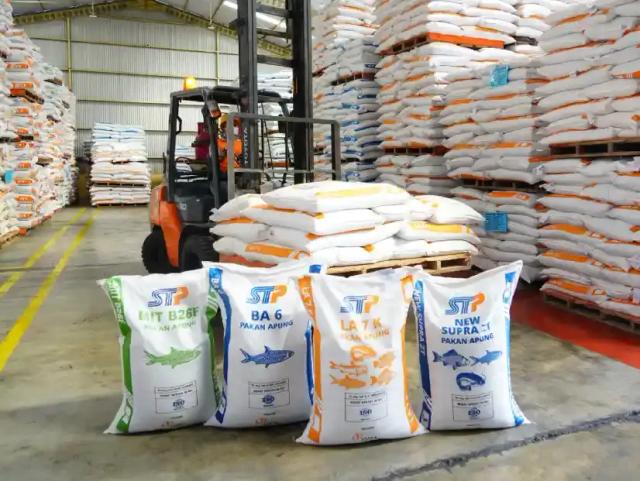
Probiotics aren't a replacement for good feed or clean water they're a complement that helps both work better. With healthier digestion, more stable water conditions, and improved resilience, tilapia grow with less feed and a lower risk of crop failure. Results are strongest when probiotics are combined with quality tilapia feed and consistent pond management. As a feed manufacturer operating since 1987 and a member of the JAPFA group, STP supports farmers through its technical team to help design feeding and water management strategies suited to their specific pond conditions.
FAQ
Can probiotics be mixed directly into pellet feed?
Yes. Spray or blend the probiotics onto the pellets until evenly coated, add a small amount of molasses or egg white as a binder, and let it rest for 10–15 minutes before feeding. This helps improve digestion and reduces feed waste.
How often should probiotics be applied to a tilapia pond?
It depends on stocking density and water conditions. Many farmers apply probiotics on a regular schedule for example, once a week then increase the dose when the water starts to look cloudy or smell off. Applying in the morning, when dissolved oxygen levels are rising, tends to give better results.
Is it safe to use probiotics alongside antibiotics?
Not recommended. Antibiotics, chlorine, and disinfectants kill bacteria without discrimination including the beneficial bacteria in your probiotic. Wait a few days after using any of these substances before reintroducing probiotics, otherwise the application is largely wasted.