5 Smart Feeding Habits to Grow and Harvest Pangasius Faster
General • 2026-07-30
This article provides five tactical guidelines for farmers to maximize the growth rate of Pangasius through proper feed management.
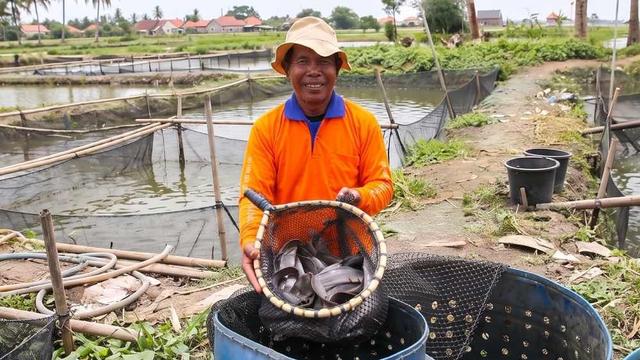
Pangasius is one of the most highly sought-after freshwater commodities by farmers due to its thick meat, stable market demand, and relative resilience to less-than-ideal water conditions. Even so, many farmers complain that their Pangasius grows slowly despite months of cultivation. The root of the problem often lies not in the fingerlings, but in the feeding methods. Feed accounts for roughly 60% to 70% of total production costs, meaning every feed-related decision dictates the profitability of a production cycle.
The good news is that accelerating Pangasius growth is not about feeding them as much as possible, but rather providing the right feed in the correct manner. Here are five practical tips on feeding Pangasius for rapid growth that you can immediately apply to your ponds.
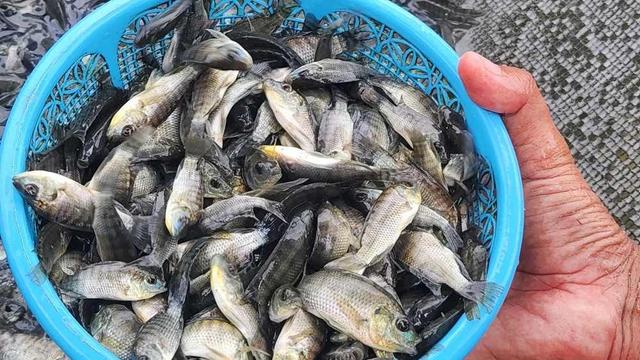
Pangasius is classified as a voracious omnivore. Under optimal farming conditions, 5 to 8 cm fingerlings can grow to 700 to 1,000 grams within 5 to 6 months. The key lies in two factors: phase-appropriate nutritional content and feeding discipline.
Feed with the correct protein content will be absorbed and converted into meat, rather than wasted as residue that pollutes the water. Conversely, randomly selecting feed will cause your Feed Conversion Ratio (FCR) to swell. This means you will need more feed to produce a single kilogram of fish, driving up costs without yielding commensurate results.
1. Match Protein Levels to the Growth Phase
The nutritional needs of Pangasius change as they age. Fingerlings and the nursery phase require higher protein-typically ranging from 32% to 40%-to build body tissue and ensure survival. As they enter the grow-out phase, protein levels can be gradually reduced to the 26% to 30% range, as the focus shifts to weight gain.
Feeding low-protein grower feed to fingerlings will stunt their growth. On the other hand, giving expensive starter feed to large fish is simply a waste of money. Match the feed to the growth phase, not to habit.
2. Regulate Feeding Frequency and Schedules
Pangasius digests feed more efficiently when fed in small, frequent portions. For fingerlings, feeding 3 to 4 times a day helps ensure more even nutrient absorption. As the fish grow, the frequency can be reduced to 2 to 3 times a day.
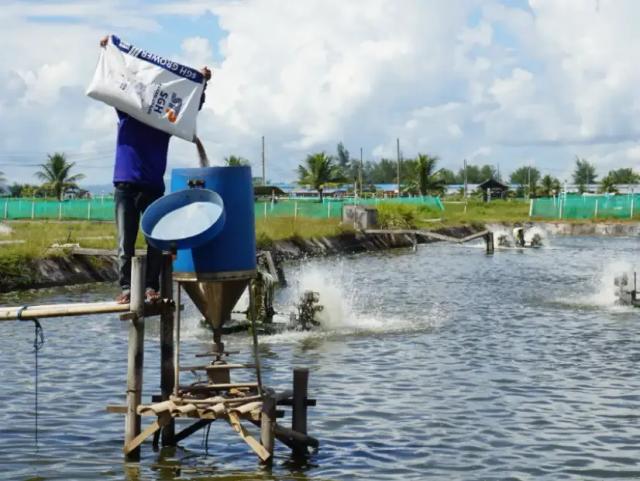
Feed at consistent times every day, such as morning, noon, and late afternoon. Avoid feeding when the water temperature peaks midday, as the fishes' appetite tends to drop. A regular schedule trains the fish to eat voraciously, leaving less uneaten feed at the bottom of the pond.
3. Follow the Feeding Rate, Avoid Overfeeding
Overfeeding is the most common and costliest mistake. Excess feed does not make the fish grow faster; instead, it settles, decomposes, and degrades water quality. As a practical rule of thumb, provide feed at about 3% to 5% of the total fish weight (biomass) per day during the early phases, then gradually lower it to around 2% to 3% as the fish grow larger.
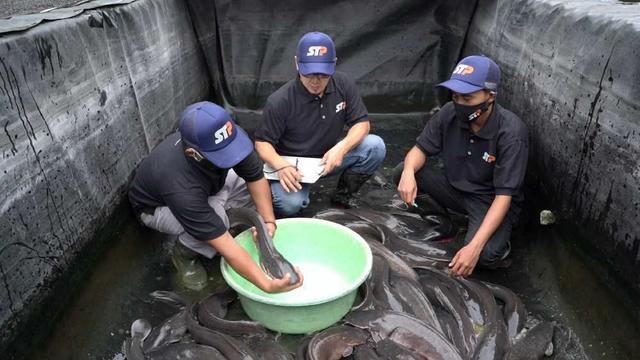
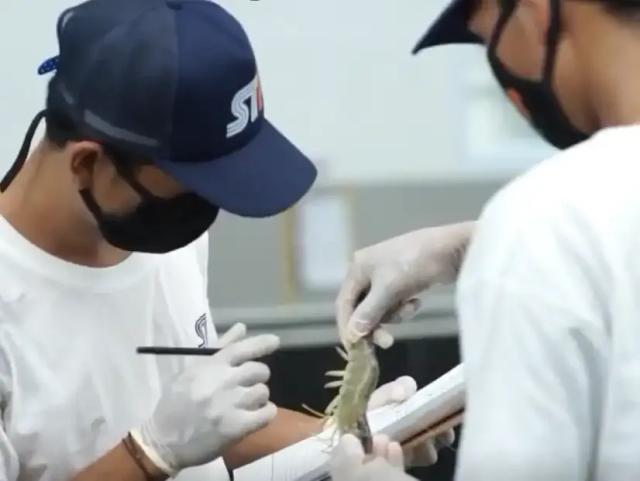
Conduct weight sampling every 10 to 14 days to recalculate feed volumes. Another simple method is to stop feeding as soon as the fish slow down their feeding response. This principle aligns with techniques used for reading feeding behavior in other commodities, as discussed in STP's comprehensive guide to aquaculture feeds.
4. Maintain Water Quality to Keep Appetites High
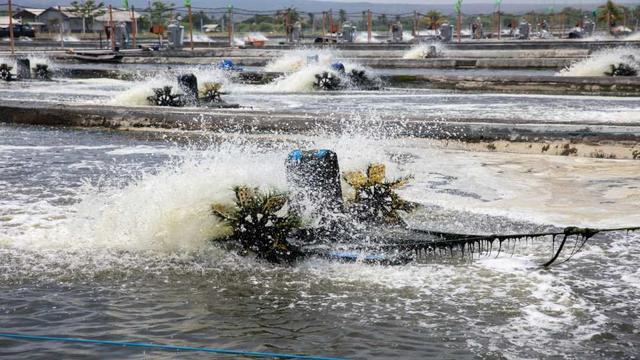
Fish stressed by poor water conditions will lose their appetite, automatically slowing their growth. Maintain dissolved oxygen levels above 3 to 4 mg/L, monitor pH within the 6.5 to 8 range, and perform regular water exchanges to flush out metabolic waste.
Water quality and feed are deeply interconnected. Decaying leftover feed spikes ammonia levels, and high ammonia makes fish reluctant to eat. Therefore, precisely managing feed volumes is fundamentally a way of keeping the water healthy.
5. Choose High-Quality Feed and Provide It Consistently
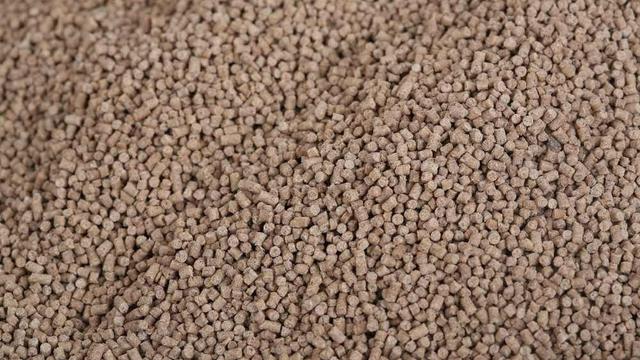
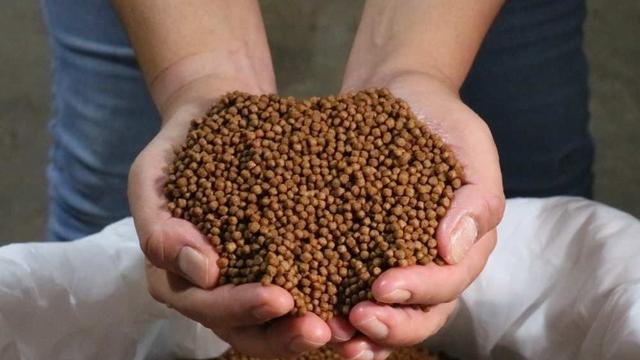
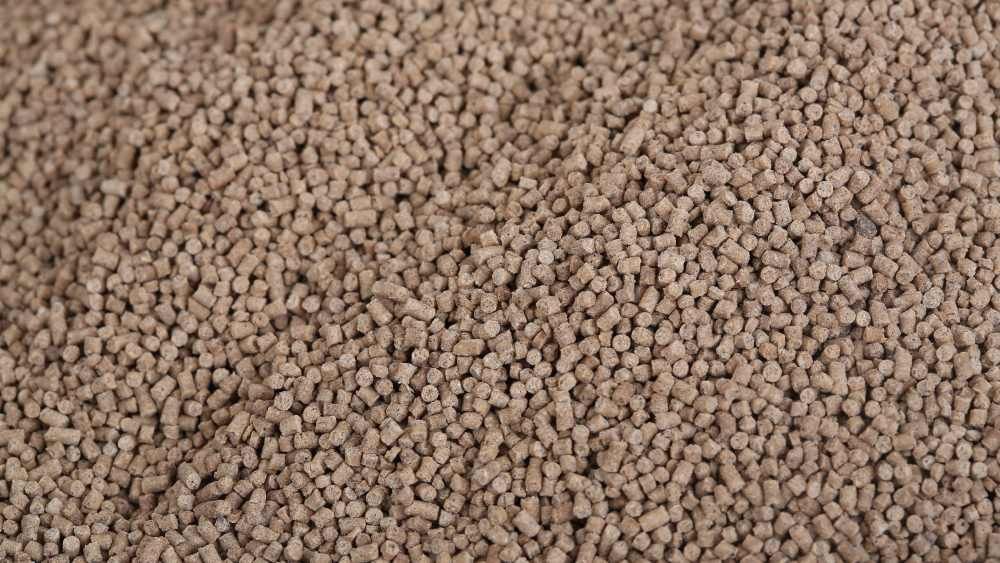
Cheap feeds with unstable nutritional profiles often end up being more expensive when factoring in the FCR. High-quality feeds offer a consistent composition across bags, appropriate buoyancy and texture, and excellent digestibility, ensuring more nutrients are converted into meat.
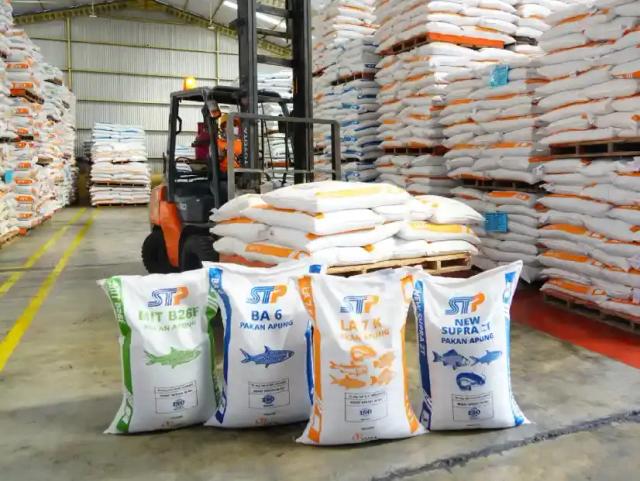
As a manufacturer operating since 1987 and a part of JAPFA, STP provides a comprehensive range of Pangasius feeds tailored for various phases-from the fry and transition stages up to the grow-out phase-such as the SPM 4, SPF 3 Extruder, and Supra NP series. You can view the complete selection in our fast-growth Pangasius feed catalog to match your pond's specific cultivation phase. Regardless of the brand, the key remains the same: consistently provide the same feed so the fishes' digestive systems are not disrupted by sudden formula changes.
Conclusion
Accelerating Pangasius growth is the result of getting many small details right: phase-appropriate protein, a regular schedule, precise portioning, well-maintained water, and high-quality feed. When these five elements work in harmony, the FCR will drop, feed costs will decrease, and harvest times will be noticeably shorter.
If you need to develop a feed strategy tailored to your pond's specific conditions, STP's technical team is ready to help you determine the most effective feed types and schedules.
FAQ
How long does it take to harvest Pangasius? With excellent feed and water management, Pangasius typically reaches a harvest weight of 700 to 1,000 grams within 5 to 6 months from the fingerling stage. Disciplined feeding practices can further shorten this duration.
How many times a day should Pangasius be fed? For fingerlings, feeding 3 to 4 times a day ensures even nutrient absorption. As the fish grow, 2 to 3 times a day is sufficient, provided the schedule remains consistent daily.
Does feeding more make Pangasius grow faster? No. Excess feed merely settles at the bottom and degrades water quality. What accelerates growth is feed with the right protein content provided according to the proper feeding rate, not excessive quantities.