Understanding the Biofloc System: A Water-Saving, High-Density Farming Solution
General • 2026-08-11
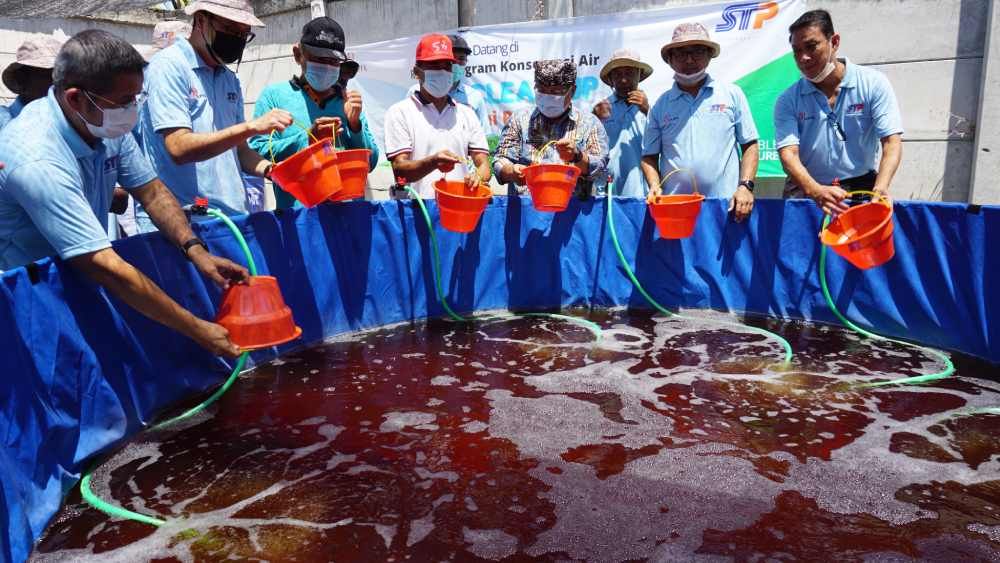
The biofloc system is a farming method that puts beneficial bacteria to work, converting waste-fish excrement-in the pond water into a natural food source.
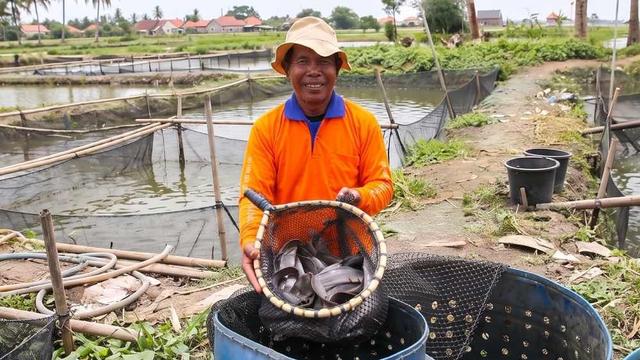
Shrinking land and rising costs for clean water are pushing many farmers to raise more fish in less space. One popular answer over the past decade is the biofloc system. The technology allows high stocking density without routinely swapping out large volumes of water-something once considered impossible in a tiny tarpaulin pond.
So what is the biofloc system, and why are so many tilapia and catfish farmers switching to it? This article breaks down how it works, the benefits you can expect, the non-negotiable requirements, the species that fit, and the challenges to plan for before you start.
What Is the Biofloc System?
Biofloc combines “bio,” meaning life, and “floc,” meaning clump. Put simply, the biofloc system is a farming method that harnesses colonies of beneficial bacteria to turn waste in the pond water into a natural food source.
The key lies in heterotrophic bacteria. In an ordinary pond, leftover feed and fish waste break down into ammonia, which is toxic to fish. Heterotrophic bacteria convert that nitrogen waste and ammonia into small, protein-rich clumps (flocs). The fish then eat those clumps as supplemental feed. So waste that was once dangerous becomes free food inside the pond.
For these bacteria to flourish and flocs to form, the carbon-to-nitrogen (C:N) ratio in the water needs to stay in the range of 12 to 15 to 1. Farmers manage that ratio by adding a carbon source.
Biofloc Benefits for Farmers
Biofloc’s popularity isn’t accidental. A few of its concrete advantages:
- Water savings. Because bacteria break down waste inside the pond, you rarely need to change the water. That’s a strong fit for areas with a limited water supply.
- High stocking density. A biofloc pond holds far denser stocking than a conventional one. Catfish, for instance, can reach 1,000 fish per cubic meter-meaning a bigger harvest from the same footprint.
- Better biosecurity. Water that’s seldom changed and rarely sourced from outside cuts the risk of disease agents entering from the surrounding environment.
- Feed efficiency. The flocs the fish eat add extra protein, so the Feed Conversion Ratio (FCR) can drop.
Non-Negotiable Requirements for Biofloc Success
Biofloc is promising, but it isn’t a set-and-forget system. A handful of requirements are absolute.
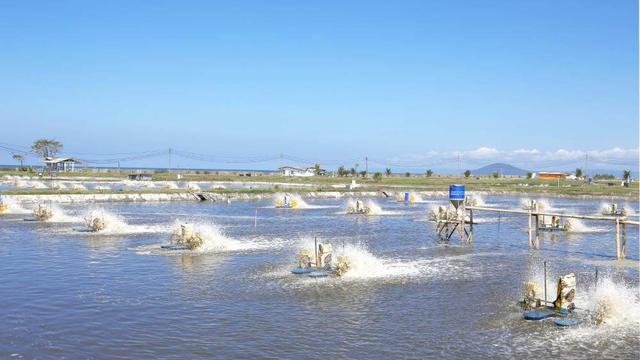
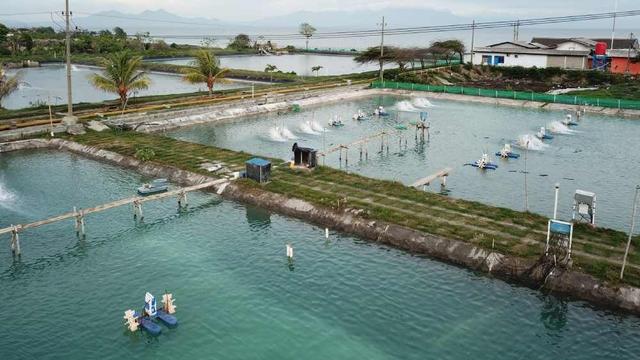
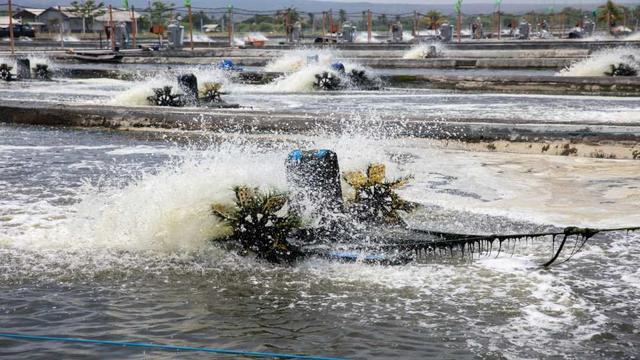
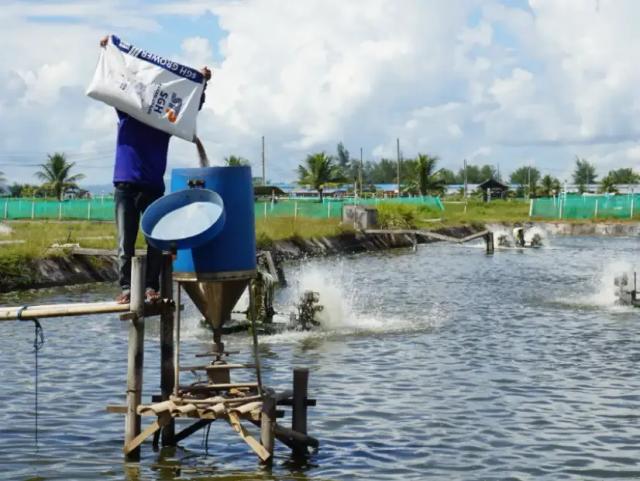
- Aeration, 24 hours nonstop. Dense bacterial colonies and fish both need oxygen. Air supply from an aerator or blower can’t stop, because flocs will settle and rot the moment oxygen drops. Aeration is the heart of the biofloc system-a principle that also holds for the role and benefits of paddlewheels in shrimp ponds. For steady aeration support, the AT21 ME500 aerator for small to mid-size ponds, or the AT21 ME1500 for larger capacities, from STP’s Aquaculture Technology Department (ATD) are options worth considering.
- A carbon source. To keep the C:N ratio in the 12-to-15-to-1 range, farmers add a carbon source such as molasses, tapioca flour, or rice bran. This is the “food” for the bacteria that keeps flocs forming.
- Probiotics. A culture of beneficial bacteria is added early to jump-start floc formation, especially in the first weeks before the colony fully matures.
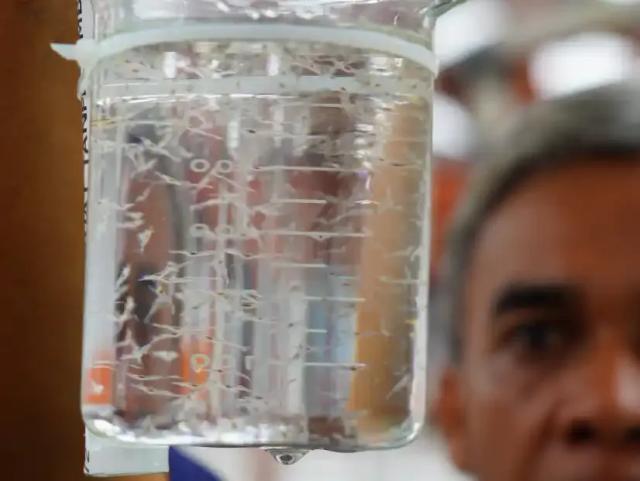
- Routine monitoring. Measure floc volume with a simple tool called an Imhoff cone, track dissolved oxygen (DO), and keep pH stable in the 7-to-8 range. These daily checks are what keep the system in balance.
Species That Work Well with Biofloc
Not every fish responds the same way in a biofloc system. The most common and proven performers are:
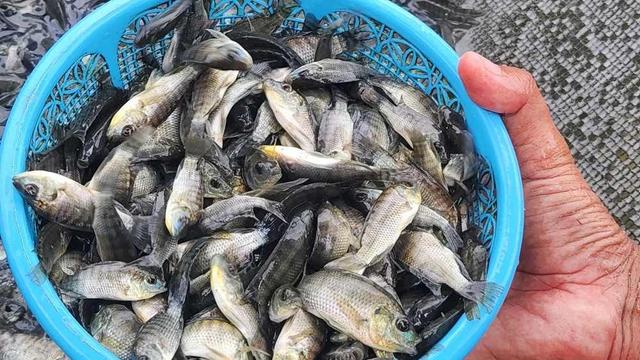
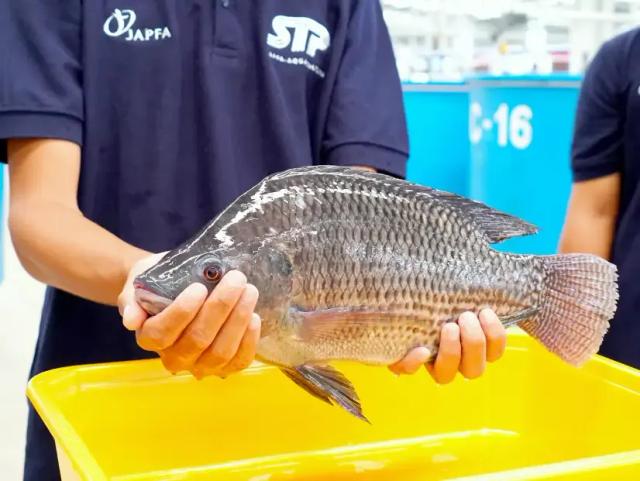
- Tilapia. Tilapia is the most ideal because it can filter and use flocs directly as feed. No surprise biofloc is so popular for tilapia farming.
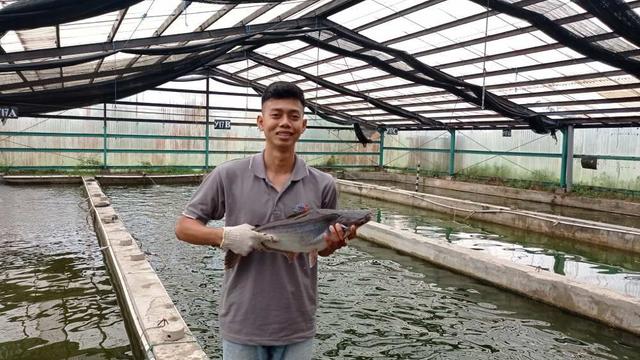
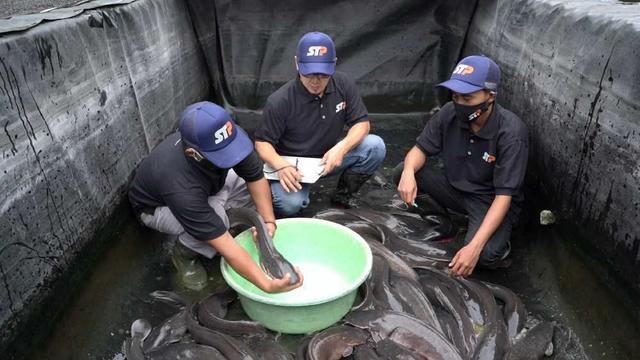
- Catfish. Catfish is tough and well suited to beginners who want to try high-density stocking in a small tarpaulin pond.
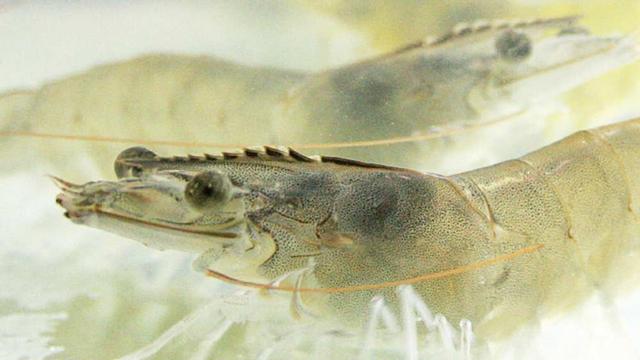
- Whiteleg shrimp. At an intensive pond scale, biofloc is widely used to cut feed costs while maintaining water quality, as is common in whiteleg shrimp farming.
Challenges to Plan For
The honest trade-off: biofloc depends heavily on electricity. If the power goes out and aeration stops for more than an hour or two, oxygen can crash and fish can die en masse in a short time. That’s why a backup generator is all but mandatory for every biofloc farmer.
The system also demands discipline. Biofloc isn’t stock-and-leave; it needs daily attention to check flocs, the carbon source, and water quality. For beginners, the learning curve is fairly steep in that first cycle. But once you find the rhythm, the results usually justify the effort.
The biofloc system is a smart approach to raising fish densely with minimal water changes, using heterotrophic bacteria to turn waste into natural feed. The keys are aeration that never cuts out, a well-kept C:N ratio, and diligent daily monitoring. For species like tilapia, catfish, and whiteleg shrimp, the technique can trim feed costs and save water at once. If you want to set up a reliable aeration system, choose the right STP feed for your biofloc needs, or talk through how to apply it, STP’s technical team-experienced in aquaculture since 1987 as part of JAPFA-is ready to help.
FAQ
Is biofloc farming suitable for beginners?
Yes, especially for catfish and tilapia. Still, beginners should first grasp the basics: nonstop aeration, adding a carbon source, and checking the water every day. Starting with a small pond to learn before scaling up is the wise move.
How long before flocs start forming in the pond?
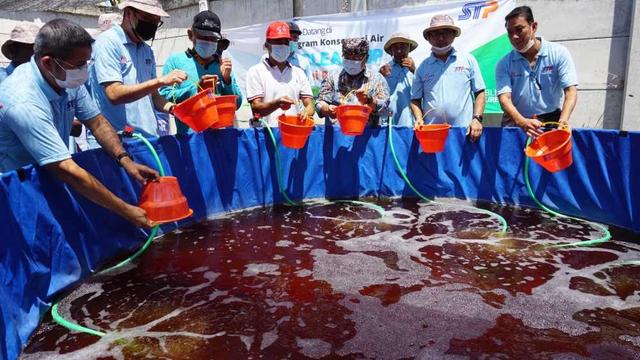
Flocs generally begin to appear within 7 to 14 days after regular probiotic and carbon-source additions. Stable, mature floc usually arrives in the second or third week, marked by brownish water with fine suspended clumps.
Why can’t aeration stop in a biofloc system?
Because the dense fish and bacterial colonies both consume large amounts of oxygen. If aeration stops, dissolved oxygen runs out fast, and flocs settle and rot. The result can be severe stress or mass fish deaths within hours.