Cultivating Vannamei shrimp is not merely about stocking larvae and waiting for a quick harvest; it is a meticulous process of managing every aspect precisely and consistently. Given the massive market potential, success is determined by the farmer's diligence in maintaining shrimp health, optimizing feed efficiency, and adapting to challenges such as disease outbreaks and unpredictable weather changes.
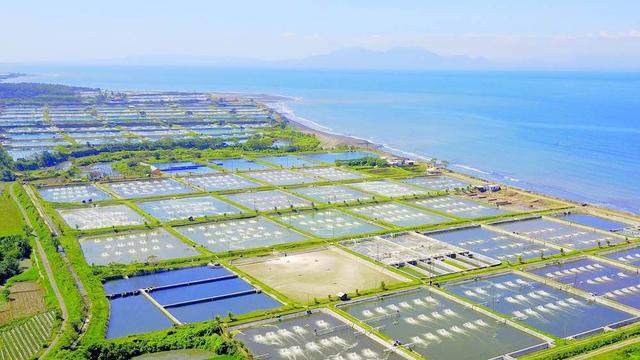
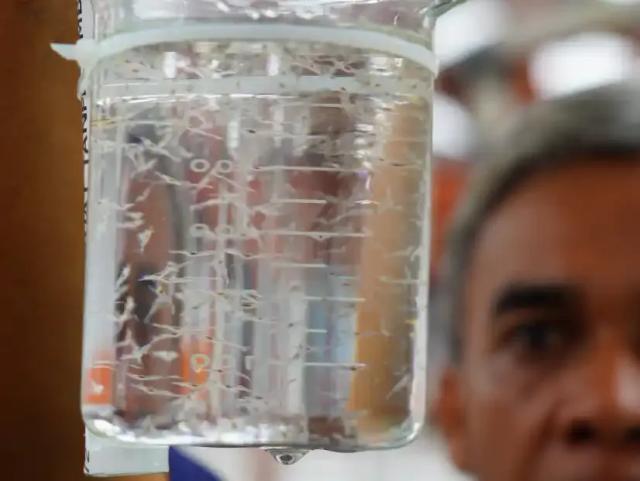
In Indonesia, Pacific White Shrimp cultivation stands as a promising business sector with high demand in both domestic and export markets. The country possesses vast coastal pond potential that offers significant room for sustainable expansion. Beyond natural resources, Vannamei shrimp (Litopenaeus vannamei) offer biological advantages such as rapid growth, tolerance to environmental fluctuations, efficient feed conversion, and high survival rates. These characteristics allow for a relatively short production cycle of 90 to 100 days, enabling faster capital turnover and increased profit opportunities. Recent trends show that national production is rising significantly due to the adoption of advanced technology, ranging from traditional to intensive systems with high stocking densities.
Choosing the Cultivation Container: Earth Ponds or Tarpaulin Tanks
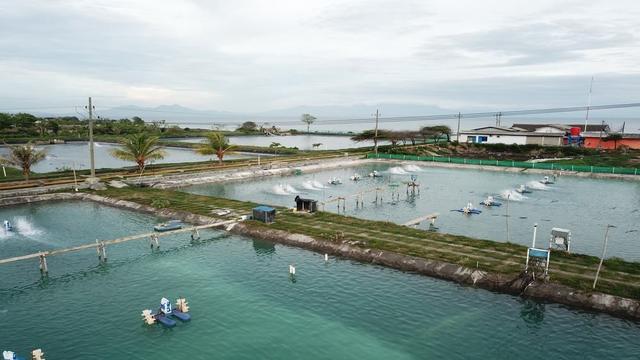
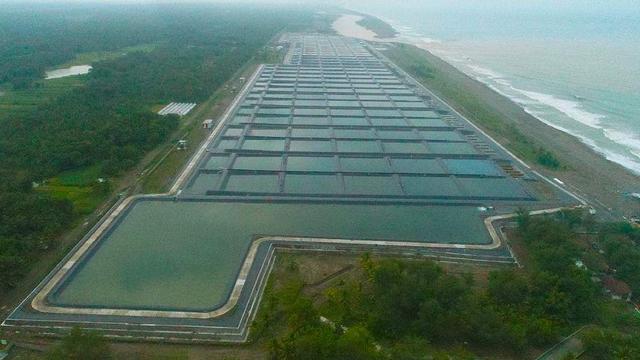
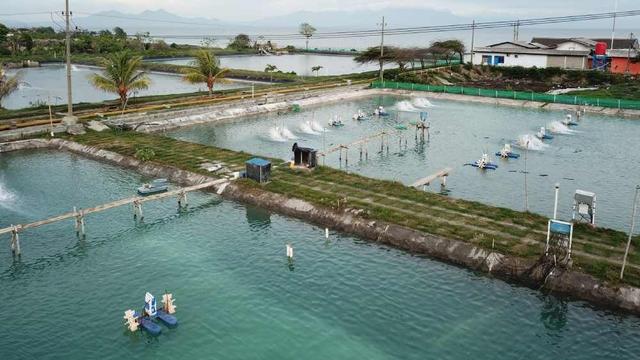
The choice of cultivation container is a pivotal factor that depends on capital, land availability, and production targets. Earth ponds are the standard for large-scale operations, typically located in coastal areas with access to brackish water. Their primary advantage lies in their large capacity and ability to foster a natural ecosystem that supports plankton growth as a supplemental food source. However, they require complex preparation, including drying, liming, and managing the pond bottom to prevent organic waste buildup.
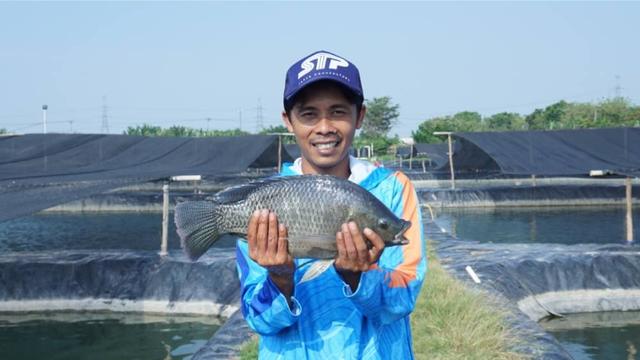
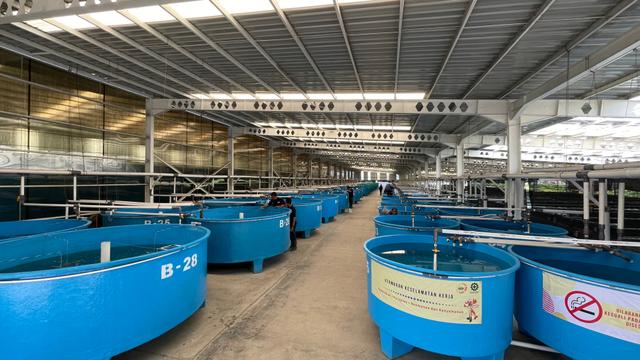
Conversely, tarpaulin tanks have become a popular alternative for beginners or intensive systems in limited spaces. These tanks are practical, easy to clean, and offer better control over water quality. While they minimize the risk of leaks and simplify the harvest process, they generally require higher initial setup costs and more intensive aeration. Choosing between the dua should be based on a balanced consideration of land conditions, capital capacity, and the farmer's experience level.
Pond Preparation and Pre-Stocking Water Management
Pond preparation is a foundational stage that dictates the success of the entire cycle. Before the larvae are stocked, the environment must be optimized to support growth and minimize disease risks. The process begins with drying the pond bottom to eliminate organic sludge, oxidize toxins, and break the cycle of pathogens from previous harvests. For earth ponds, liming is essential to stabilize soil pH.
Once the pond is clean, the next step involves filling and water sterilization. Water should be filtered to prevent the entry of pests or disease carriers and then sterilized to suppress pathogenic microorganisms. Before stocking, parameters such as temperature, salinity, pH, dissolved oxygen (DO), alkalinity, and organic matter must be measured. Stable water conditions help the post-larvae adapt quickly, reducing the stress that often occurs during the initial stocking phase.
Indicators of Healthy Shrimp and Optimal Growth
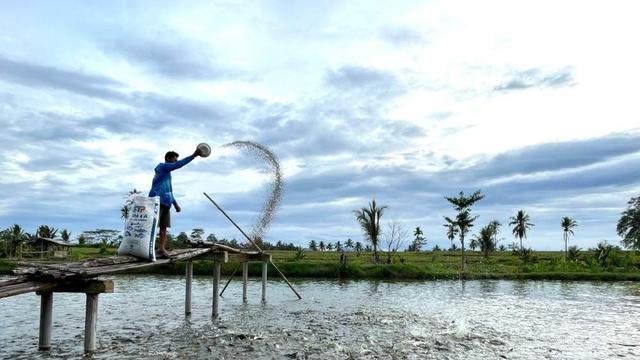
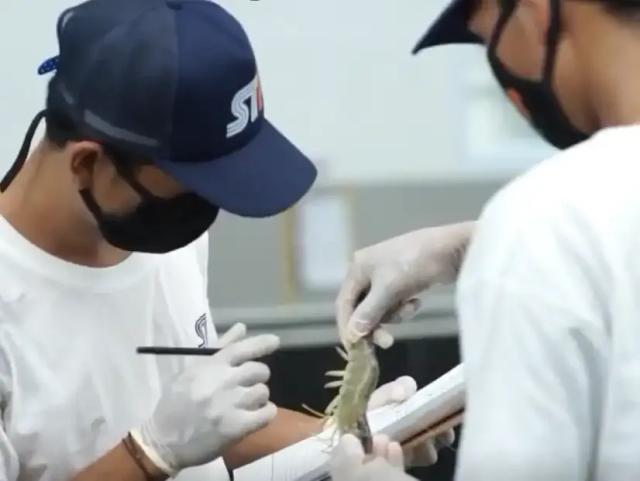
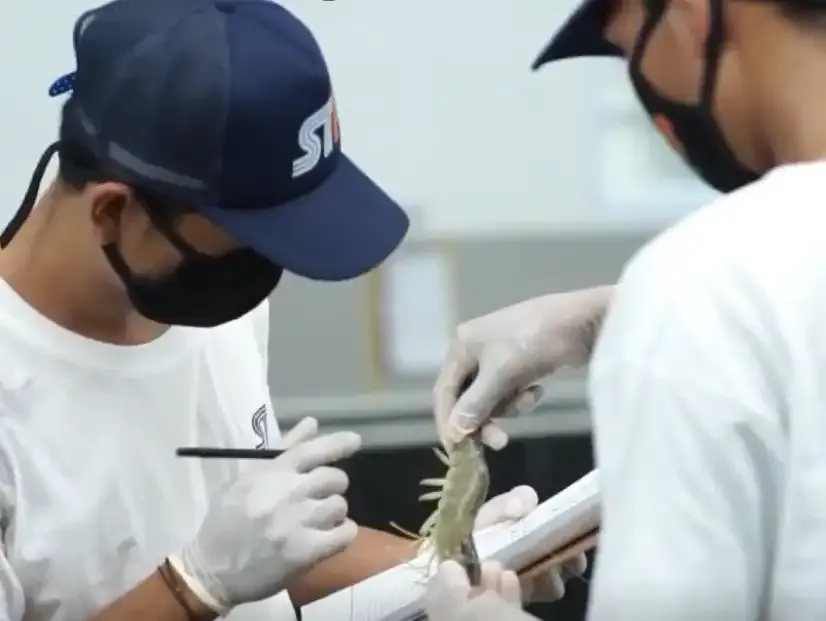
Monitoring the shrimp routinely is vital for ensuring optimal progress. Healthy Vannamei shrimp are typically active, responsive to feed, and physically clean. They move agilely throughout the water column and exhibit a stable appetite, gathering quickly at feeding trays during meal times. A sudden drop in feed consumption is often an early warning sign of stress, water quality degradation, or disease.
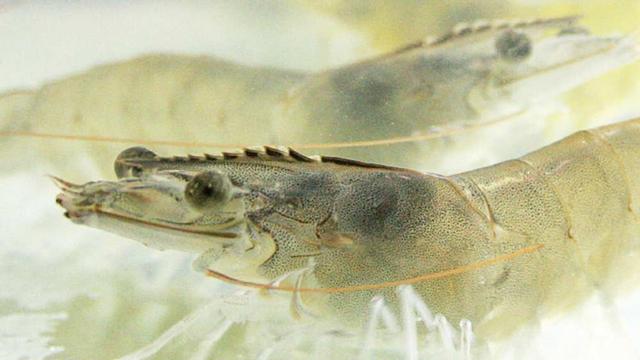
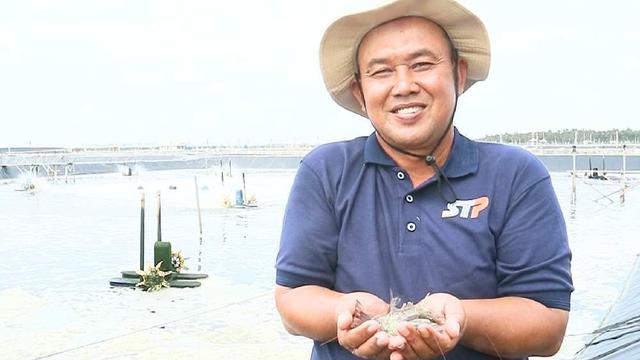
Physically, healthy Pacific White Shrimp possess a bright, transparent coloration with no red or black spots or physical wounds. Growth should be relatively uniform across the population, indicating successful feed management. Furthermore, the molting process should occur naturally and gradually without mass mortality. Shrimp that swim normally throughout the pond, rather than crowding at the surface or corners, indicate that the water quality remains within the ideal range for development.
Effective Feed Management and Phase-Specific Nutrition
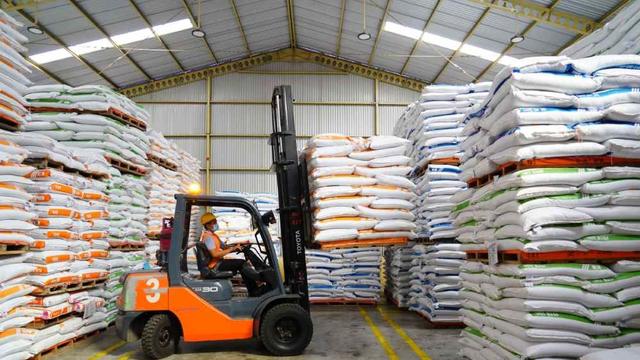
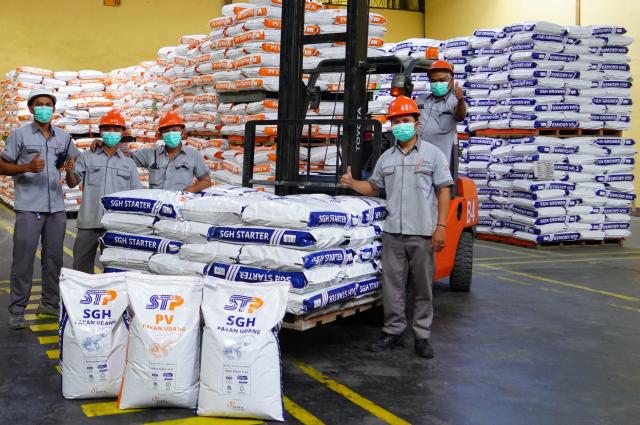
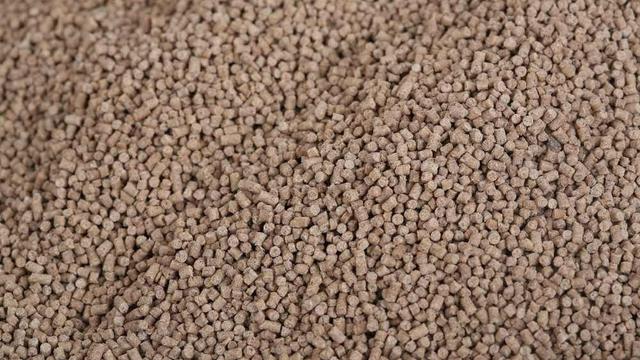
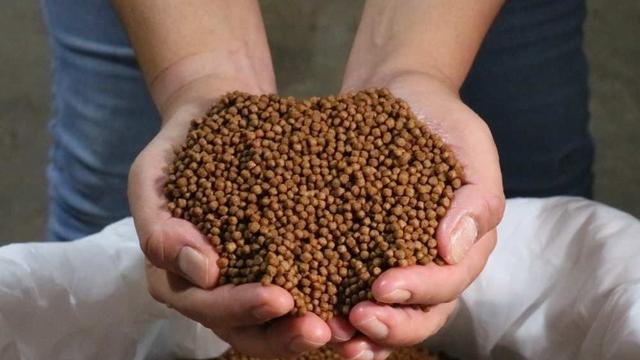
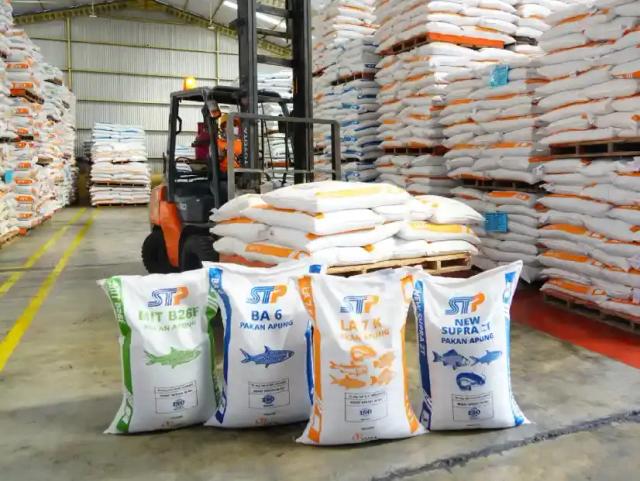
Feed management must follow the biological lifecycle of the shrimp, transitioning from starter to grower phases. High-quality products, such as the STP PV series, are designed with specific sizes from crumbles to pellets to match the mouth size and feeding ability of the shrimp at each stage. In the starter phase, high protein levels (approximately 36–38%) are crucial for tissue formation and early growth performance.
As the Pacific White Shrimp enter the grower phase, the nutritional focus shifts toward efficiency. Protein levels are slightly adjusted to 32–35% while maintaining energy balance to optimize the Feed Conversion Ratio (FCR). High digestibility is a key feature of modern formulations, ensuring that nutrients are absorbed efficiently to produce uniform harvest sizes. Beyond growth, proper feeding reduces organic waste, and advanced products are even designed to suppress nitrogen and phosphorus waste, thereby stabilizing the pond environment throughout the cycle.
Navigating Current Cultivation Challenges in Indonesia
Despite its potential, the industry faces complex challenges, primarily disease outbreaks like White Spot Syndrome Virus (WSSV) and Early Mortality Syndrome (EMS). While SPF (Specific Pathogen Free) larvae can lower risks, disease remains a constant threat to Vannamei shrimp. Extreme weather changes also pose a risk; heavy rainfall can drastically drop salinity, while temperature fluctuations trigger stress, making shrimp more susceptible to infection and reduced growth.
Technical challenges also include managing water quality in high-density intensive systems where ammonia and organic matter accumulate quickly. Precise aeration, water circulation, and feeding are required to prevent mortality. Since feed is the largest operational expense, any mismanagement directly impacts profitability. Consequently, modern cultivation requires a data-driven and adaptive approach to balance environmental factors, shrimp health, and operational efficiency.
Supporting Infrastructure and Modern Technology
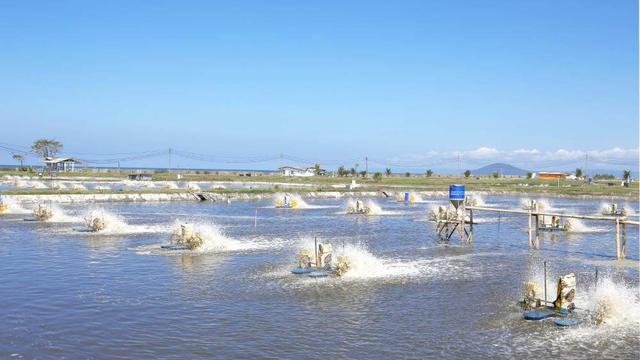
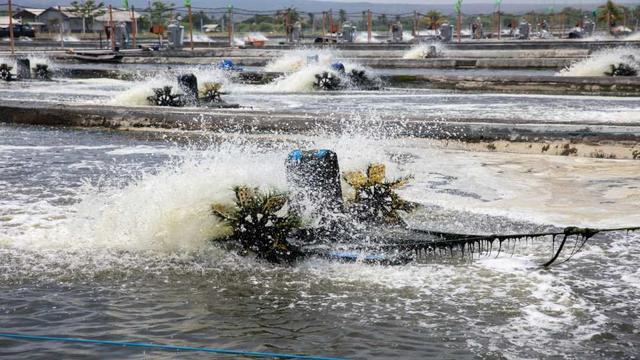
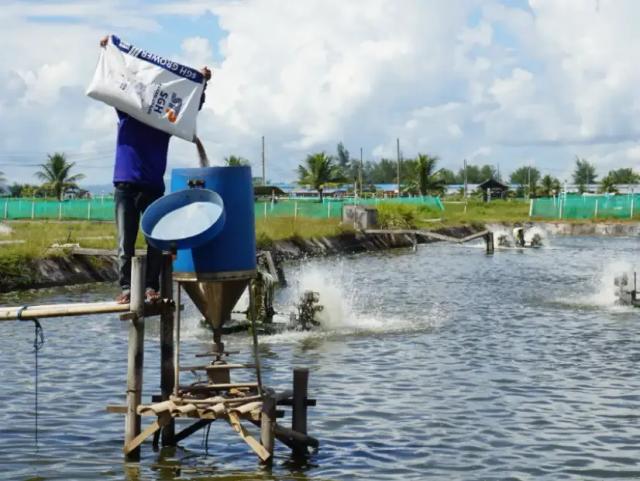
Success is further supported by infrastructure that maintains pond stability for Vannamei shrimp. Aerators and water wheels are essential for maintaining dissolved oxygen and ensuring water circulation, which prevents organic waste from settling in stagnant areas. Disinfectants are also used to suppress harmful bacteria and fungi. Modern research has introduced technologies like Perosol from STP, which combines hydrogen peroxide and nano-silver to maintain water quality and suppress biofouling. Additionally, monitoring tools like pH and DO meters are indispensable for real-time environmental management.
Comparing Intensive and Semi-Intensive Systems
Farmers must choose between semi-intensive and intensive systems based on their resources. Semi-intensive systems involve lower stocking densities for Pacific White Shrimp, relying more on the natural pond balance and requiring simpler technology and lower initial investment. This system is often more controlled for beginners as the risk of rapid water degradation is lower. In contrast, intensive systems utilize high stocking densities of Vannamei shrimp to maximize productivity. This requires a full suite of technology, including blowers and continuous monitoring, to maintain stable parameters. While the capital and supervision requirements are higher, the potential biomass and profit are significantly greater.
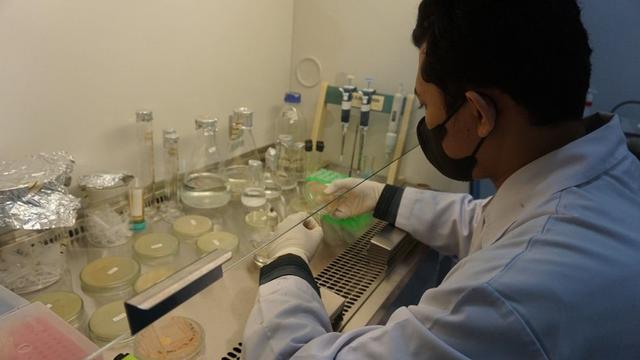
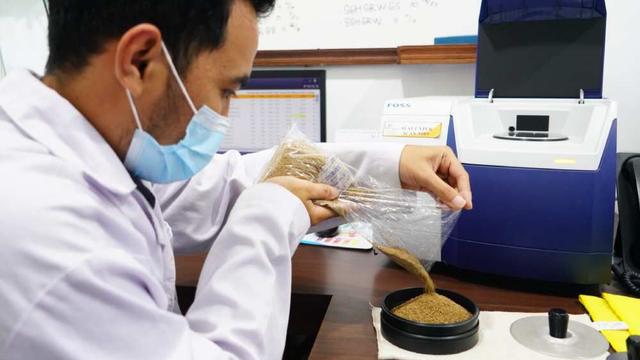
Enhance your farm's success by adopting an integrated Vannamei shrimp cultivation approach with total solutions from STP (Suri Tani Pemuka). By combining disease-free, high-quality larvae with premium STP feed formulated for FCR efficiency, you build a solid foundation for production. Beyond products, STP offers comprehensive support through the Japfa Aquaculture Mobile Lab, bringing water and animal health diagnostics directly to your site. Ensure every decision is backed by accurate data and expert support contact STP today for a more stable, maximum, and sustainable harvest!