12 Common Vannamei Shrimp Diseases and How to Manage Them
General • 2026-07-30
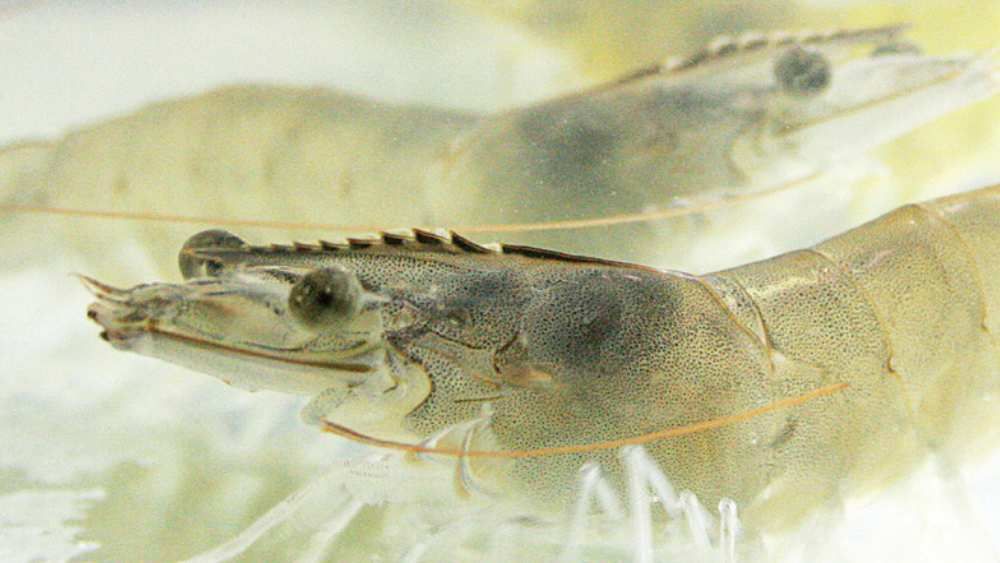
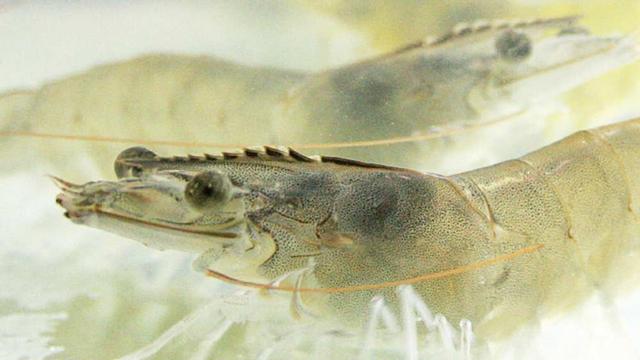
This article thoroughly explores 12 primary disease threats that most frequently disrupt harvest cycles in vannamei shrimp farming. The discussion covers the identification of clinical symptoms from various pathogens, ranging from lethal viral infections like White Spot Syndrome Virus (WSSV) and bacterial attacks like Early Mortality Syndrome (EMS or AHPND), to fungal and parasitic issues.
Disease is the greatest threat in vannamei shrimp farming. A single outbreak can wipe out the profits of an entire cycle in a matter of days, especially in high-density intensive systems. The problem is that many diseases are only recognized after mass mortality occurs, even though early symptoms are often visible much earlier.
Recognizing disease types and knowing how to handle them is fundamental knowledge for every farmer. Below are 12 vannamei shrimp diseases most commonly found in Indonesian ponds, along with easy-to-understand management steps.
Viral Diseases in Vannamei Shrimp
- White Spot Syndrome Virus (WSSV): Characterized by white spots on the carapace and a reddish discoloration of the shrimp's body. Transmission is incredibly fast, and mortality can wipe out nearly the entire population within a few days. There is no cure yet, making prevention through disease-free fry and strict biosecurity the only effective approach.
- Infectious Myonecrosis Virus (IMNV) or Myo: The muscle tissue turns a cloudy white, particularly in the tail section. Infected shrimp weaken and die gradually. Management focuses on reducing stress, maintaining stable water quality, and harvesting early if the infection spreads extensively.
- Taura Syndrome Virus (TSV): Often attacks during the early grow-out phase, characterized by a reddish tail and soft shell. Surviving shrimp can become carriers of the virus. Use disease-resistant fry and ensure stocking densities are not excessively high.
- Yellow Head Virus (YHV): The head section (cephalothorax) turns yellow, and the shrimp appear lethargic before experiencing sudden death. Prevention through reliable fry sources is far more effective than attempting to manage an outbreak after it occurs.
Bacterial Infections and Management
- AHPND or Early Mortality Syndrome (EMS): Caused by Vibrio bacteria attacking the hepatopancreas, usually within the first 35 days. Symptoms include early mortality, empty intestines, and a pale hepatopancreas. Manage this by sterilizing the pond bottom, managing Vibrio levels, and maintaining water quality right from the pond preparation stage.
- Vibriosis (Luminescent Vibrio): At night, infected shrimp may appear to glow. This is caused by Vibrio bacteria thriving when organic matter accumulates. Reduce leftover feed, improve aeration, and routinely manage the pond bottom.
- White Feces Disease (WFD): Identified by strands of white feces floating on the water surface. Appetite decreases and growth slows down. Improve feed quality, keep the pond bottom clean, and reduce the concentration of organic matter.
- White Gut Disease: The digestive tract appears white due to intestinal disorders. This is frequently linked to poor water and feed quality. Treatment is directed toward improving feed management and pond sanitation.
- Black Gill Disease: The gills turn black due to the accumulation of organic matter, fungi, or poor water quality, making it difficult for the shrimp to breathe. Resolve this by improving aeration, exchanging water, and cleaning the pond bottom.
Other Common Shrimp Diseases
- EHP (Enterocytozoon hepatopenaei): A microsporidian parasite that attacks the hepatopancreas. It is not immediately fatal but causes stunted growth and uneven harvest sizes, leading to significant economic losses. Prevent this with clean fry and thorough pond sterilization.
- Running Mortality Syndrome (RMS): Characterized by small but continuous daily mortalities throughout the cycle. The cause is a combination of many factors, requiring a comprehensive improvement in water quality, feed, and biosecurity to manage effectively.
- Black Spot or Brown Spot Disease: Black spots appear on the shell due to bacterial or fungal infections, often resulting from physical injuries and poor water quality. Maintain clean water and avoid anything that could injure the shrimp to keep their shells healthy.
Prevention as the Ultimate Strategy
Looking at the 12 diseases above, a clear pattern emerges: most cannot be cured once they attack, but almost all can be prevented. The following four steps are the foundation of prevention applicable to nearly all cases:
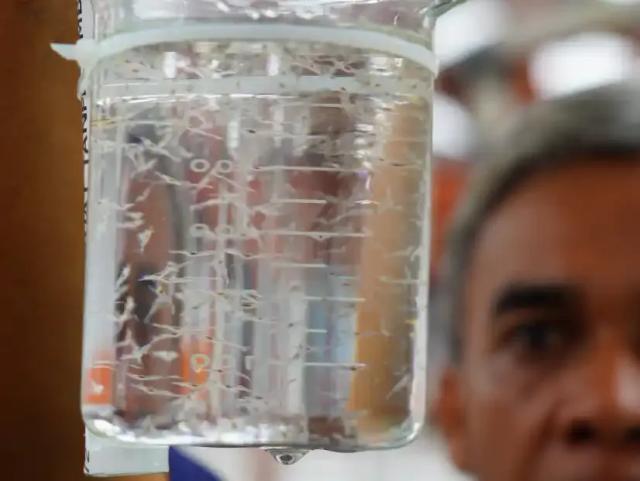
- Start with Healthy Fry: Disease-free fry from a biosecure hatchery, such as STP's Super PL, are reared in a nursery until they reach the PL30 stage in a controlled, ISO 9001:2015 certified environment, lowering the risk of carrying pathogens from the start.
- Maintain Water and Pond Bottom Quality: Many diseases root from the accumulation of organic matter. Sterilizing the pond, for instance with disinfectants like Perosolv, and implementing good water management will break that chain.
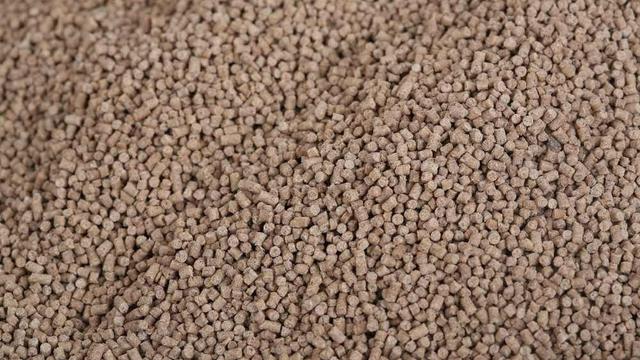
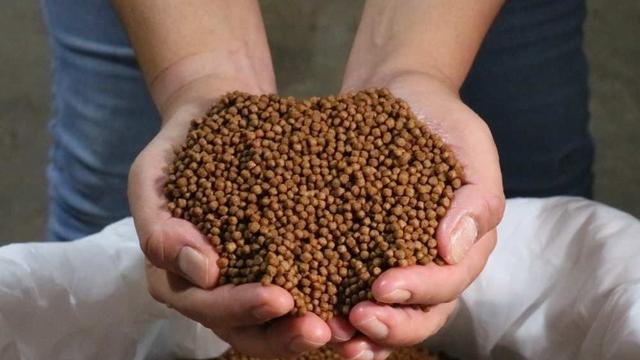
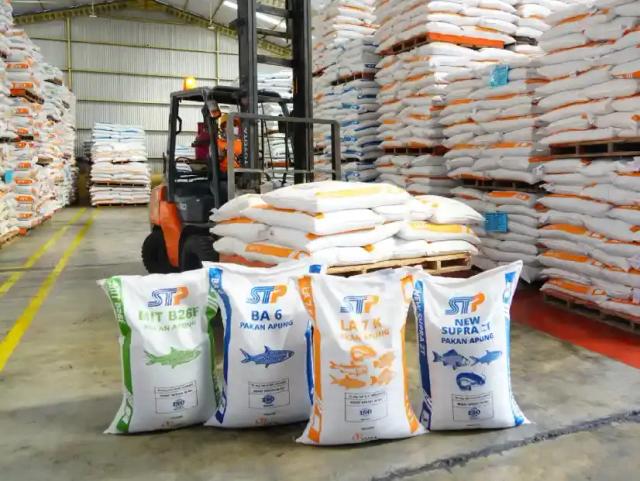
- Provide High-Quality Feed to Support Immunity: Feed with excellent digestibility and gut health support helps shrimp fight off infections. You can learn more in the vannamei shrimp feed guide.
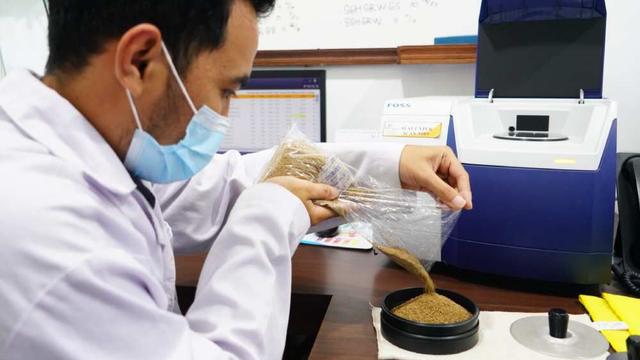
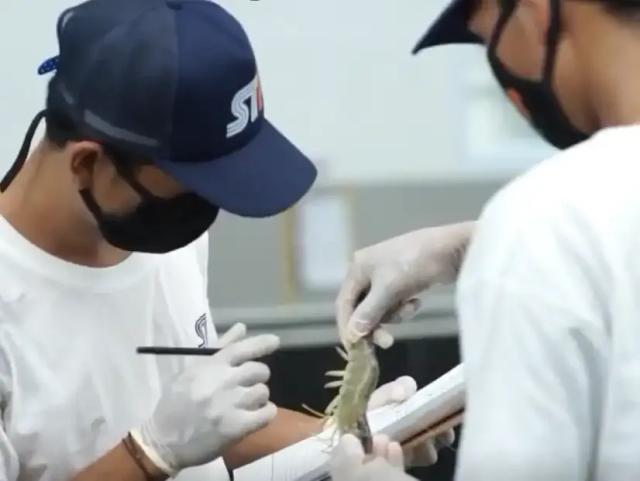
- Implement Biosecurity and Early Detection: Restrict the movement of people and equipment, and inspect your shrimp regularly. STP's Mobile Diagnostic Lab service enables direct disease detection right at the pond site.
When to Seek Expert Assistance
Not all symptoms can be definitively identified by visual observation alone. Many diseases share similar signs, such as decreased appetite or shrimp swimming at the pond edges, making it easy to misdiagnose the cause. If daily mortality begins to rise or symptoms do not improve after water quality adjustments, it is highly recommended to conduct laboratory testing to confirm the exact pathogen.
An accurate diagnosis prevents misguided treatments that only waste time and money. Testing shrimp samples as soon as early symptoms appear, rather than after mass mortality occurs, provides a much better chance of saving the remaining population.
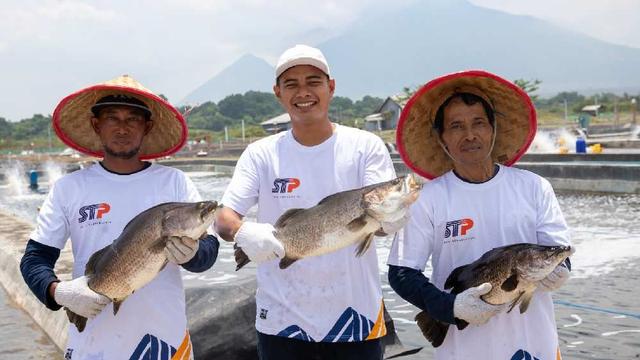
Increase your harvest yields and pond efficiency with the STP Aquaculture Expert Assistance Program, an integrated support solution specifically designed to ensure your fish and shrimp farming success! STP does not merely supply quality products; we bring an experienced Technical Service (TS) team directly to your site to provide daily consultations, precise water quality monitoring using our Mobile Lab, and the development of effective feeding programs to lower FCR.
Backed by early disease detection and strict biosecurity strategies, our experts are ready to guide every phase of your operations from fry stocking until you achieve maximum harvest targets. Do not let weather fluctuations or water quality challenges erode your profit margins; make STP your strategic partner today and experience a farming journey that is far more productive, measurable, and profitable.
Conclusion
Recognizing the symptoms of vannamei shrimp diseases early on can be the difference between a successful harvest and a total failure. Since most diseases are difficult to cure, your best efforts should be directed toward prevention: healthy fry, clean water, high-quality feed, and disciplined biosecurity. To fully understand the foundations of healthy pond management, review our comprehensive vannamei shrimp farming guide.