Recommended Milkfish Feeds for Rapid Growth
General • 2026-07-30
This article discusses the right feed recommendations for milkfish, ranging from feed selection and feeding methods to common mistakes frequently found in cultivation.
Milkfish is one of the most popular aquaculture commodities in Indonesia. Its market is vast, covering fresh milkfish, pressure-cooked milkfish (bandeng presto), and even fishing bait. The fish is also relatively resistant to environmental changes. Even so, the most frequently asked question by farmers remains the same: how can we make milkfish grow faster and be harvested earlier?
The answer mostly lies in the feed. How you feed them, what type you choose, and when you feed them all significantly determine the growth rate of the milkfish. This article discusses milkfish feeding strategies for rapid growth in a simple and easily applicable way for your ponds.
Understanding Milkfish Feeding Habits
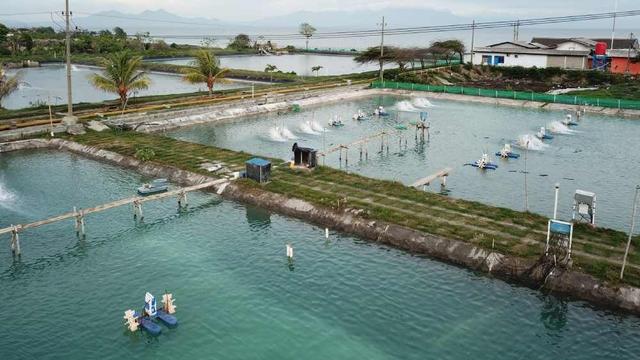
Milkfish are classified as herbivores to omnivores. In traditional ponds, milkfish rely heavily on natural feeds such as benthic algae (klekap), bottom moss, and plankton that grow in the pond. Because of this, many traditional farmers rely on the natural fertility of the pond bottom to grow their fish.
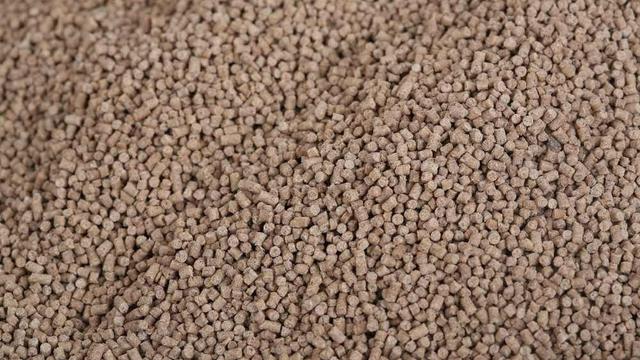
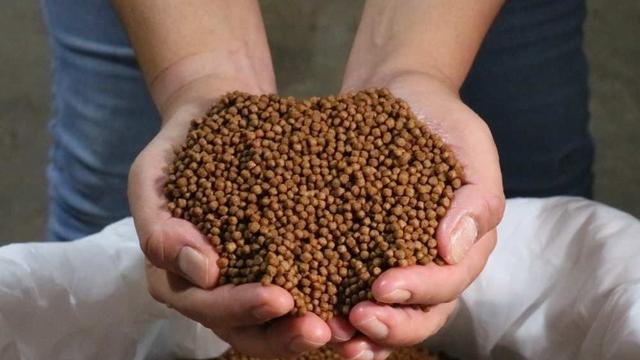
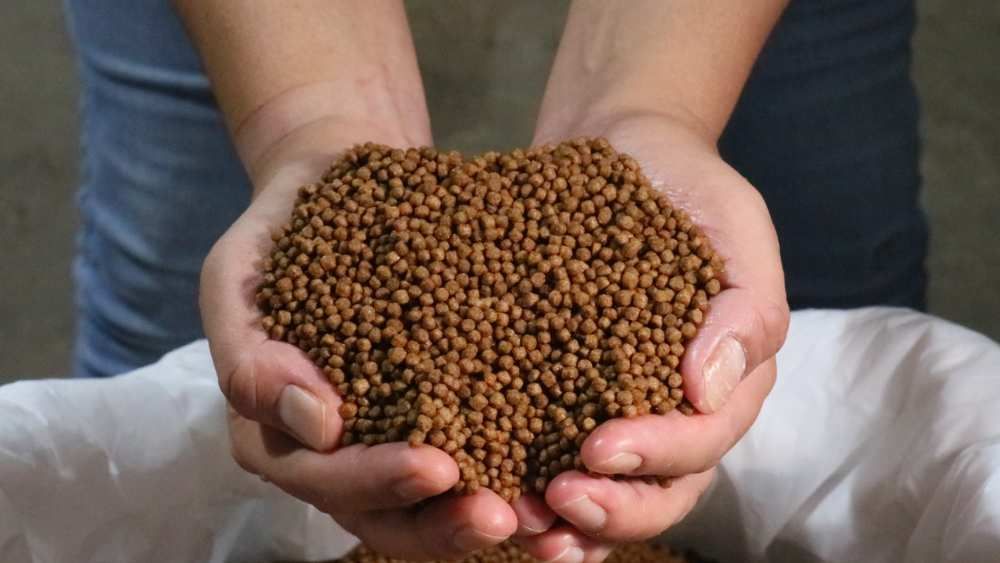
However, natural feed has its limits. In semi-intensive and intensive farming with higher stocking densities, natural feed alone is not enough to meet their nutritional needs. This is where artificial feed in the form of pellets plays a role, accelerating growth while maintaining uniform harvest sizes.
Combining Natural and Artificial Feeds
The most efficient strategy is usually not choosing one over the other, but rather combining both. Natural feed is grown through proper pond preparation, while artificial feed is provided to cover nutritional gaps and stimulate growth.
Growing natural feed is quite simple:
- Dry and process the pond bottom before stocking
- Apply fertilizer to stimulate the growth of benthic algae and plankton
- Maintain water levels and quality so natural feed remains available
As the fish grow and natural feed begins to deplete, the role of pellets increases. Make this transition gradually so the milkfish are not shocked and their appetite remains steady.
Selecting the Right Artificial Feed
Unlike carnivorous fish, milkfish do not require extremely high protein levels. A protein content ranging from 24 to 30 percent is generally sufficient to support growth, with slightly higher levels in the early phases that are adjusted during the grow-out stage. What is actually more crucial is the digestibility of the feed and its consistent quality over time.
When choosing pellets, pay attention to three things: whether the buoyancy and texture match the fish's mouth size in each phase, whether the feed is durable and does not break down easily in the water (which pollutes the pond), and whether the nutrition is consistent across bags so the fish's digestion is not disrupted.
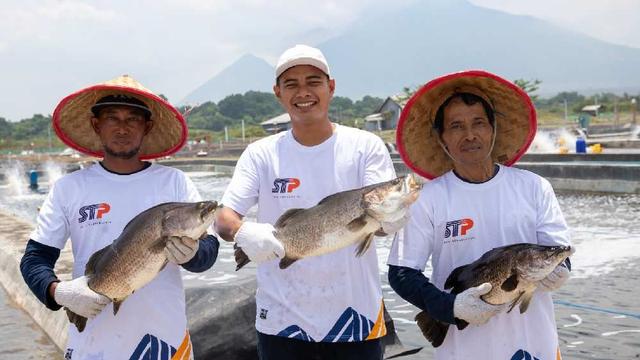
STP, which has been operating since 1987 and is part of JAPFA, provides a range of STP feeds specifically for milkfish in various phases, from starter and transition to grower, such as the BA 6, Supra NP, and SPM 4 series. You can see the complete selection in the milkfish feed catalog and adjust it to the cultivation stage in your pond.
Feeding Methods to Accelerate Milkfish Growth
Good feed will not yield maximum results if the feeding method is wrong. The following principles are proven to help accelerate growth:
- Adjust the amount to the fish weight. Provide feed at about 3 to 5 percent of the total biomass per day during the early phase, then lower it to 2 to 3 percent as the fish grow larger.
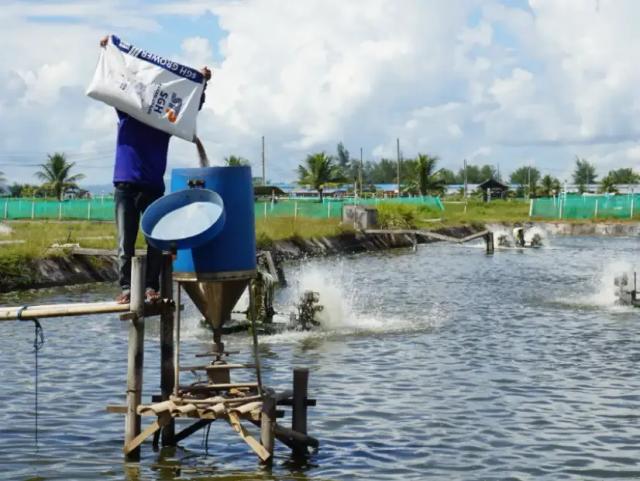
- Feed in small but frequent portions. Feeding 2 to 3 times a day helps with more even nutrient absorption compared to feeding a large amount all at once.
- Feed at consistent hours. A regular schedule trains the fish to eat voraciously, leaving minimal leftover feed.
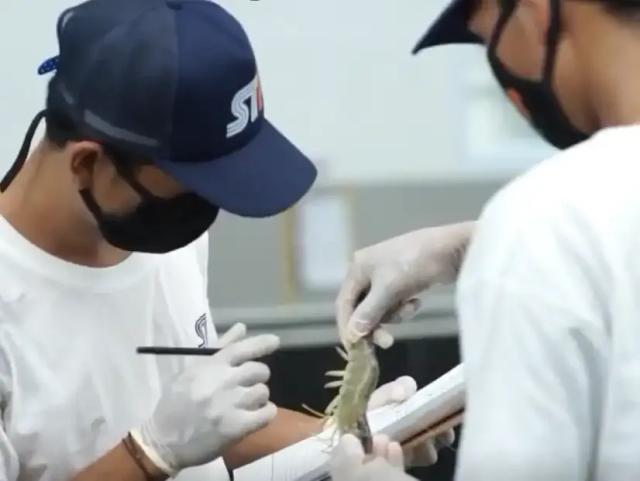
- Conduct routine sampling. Weigh the fish every 10 to 14 days to recalculate feed requirements and avoid overfeeding.
Overfeeding is not just a waste of money. Uneaten feed increases ammonia levels and lowers water quality, which ultimately slows down the growth process itself.
Common Mistakes That Stunt Milkfish Growth
Many farmers are unaware that slow milkfish growth often stems from small, misguided habits rather than just feed quality. Some of the most frequent occurrences in the field include:
- Feeding on an irregular schedule, which prevents the fish from getting used to eating voraciously.
- Spreading a large amount of pellets all at once, causing most of it to sink and go to waste before being eaten.
- Ignoring the cultivation of natural feed during pond preparation, making the fish overly dependent on pellets from an early age.
- Skipping weight sampling, meaning the feed dosage is never adjusted to the fish's actual growth.
Fixing these simple things often has a bigger impact than merely switching feed brands. Ultimately, consistency in feeding is far more decisive than occasional decisions.
Never Neglect Water Quality
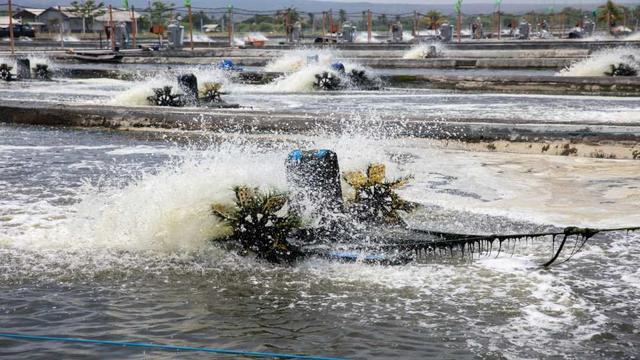
Feed and water are two sides of the same coin. No matter how good the feed is, milkfish will not grow optimally if the water quality is poor. Keep dissolved oxygen at adequate levels, monitor salinity and pH regularly, and exchange the water as soon as organic matter begins to accumulate. Healthy water stabilizes the fish's appetite, ensuring the feed you provide truly turns into growth instead of going to waste.
Accelerating milkfish growth is not about giving as much feed as possible. It is about properly combining natural and artificial feeds, selecting high-quality pellets that suit the growth phase, and providing them with strict dosage and scheduling discipline. Add good water management, and you will see the difference in harvest weight and cost efficiency. To deepen your knowledge on selecting the right aquaculture feed, refer to STP's guide to the best aquaculture feeds.