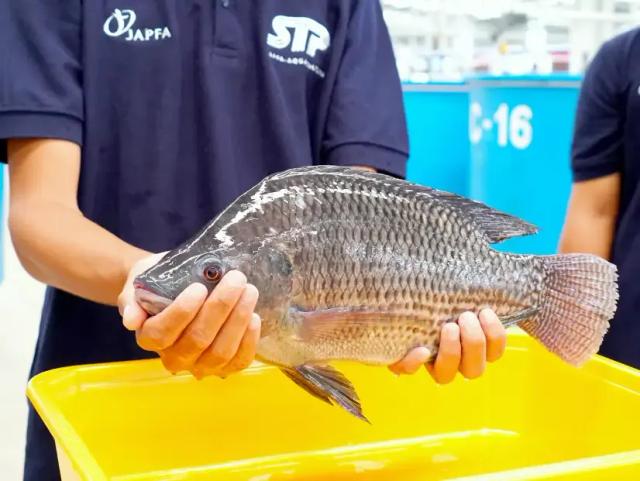
Is “Dory” Fish Actually Pangasius? Here Are the Facts
General • 2026-08-11
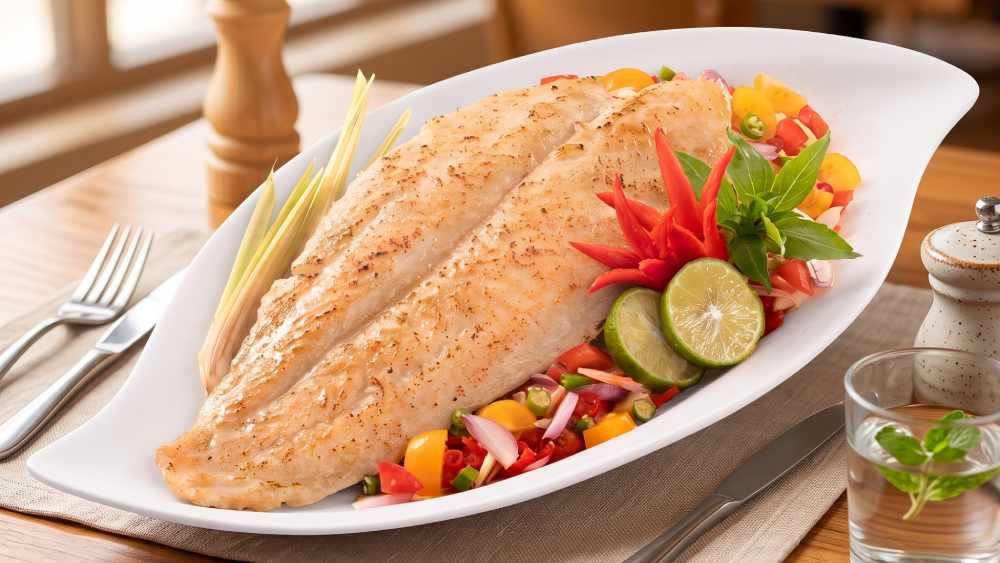
Here’s the reality: the product sold as “dory” in the Indonesian market isn’t the real Dory (John Dory) at all-it’s pangasius (Pangasius) fillet marketed under that trade name. The dory fillet, crispy dory, or butter-sauce dory you often run into is really pangasius meat, while genuine John Dory (Zeus faber) is a saltwater fish rarely found in Indonesian waters.
Ever ordered a dory fillet at a restaurant or spotted it in the supermarket case and wondered what fish it actually is? You’re not alone. In the Indonesian market, many people assume dory is the name of some pricey saltwater species. In truth, “dory” is a trade name, not a scientific one, and most of the product carrying that label comes from a freshwater fish local farmers know very well: pangasius. This article unpacks the facts, from where the name dory comes from to the real nutritional value of pangasius.
Where Does the Term “Dory” Come From?
The name “dory” actually refers to John Dory (Zeus faber), a flat-bodied saltwater fish living in waters from Europe to Africa to Australia. It has tender white meat prized in Western cuisine. The catch: real John Dory almost never reaches the Indonesian market because it isn’t a local fish and it’s expensive.
As demand for boneless white fish fillet grew, the food industry looked for a cheaper, easier-to-source alternative. Pangasius, whose meat is similar in color and texture, ended up marketed under the trade name “dory.” The term sounds more premium and international than calling it pangasius, so it caught on fast on restaurant menus and in frozen products.
One more thing often gets mixed up. The character Dory in the popular animated film is actually a blue tang (Paracanthurus hepatus), a completely different saltwater ornamental fish. So when people talk about dory, three separate things get lumped together: commercial dory, which is pangasius; the real John Dory; and Dory the cartoon character.
Why Was Pangasius Chosen as Commercial Dory?
Pangasius didn’t become the stand-in by accident. Several strengths make it a good fit to sell as dory fillet:
- Clean white meat with a tender texture that resembles John Dory
- A large body that yields thick, wide fillets, ideal for restaurant-size portions
- Few bones that separate easily-convenient for consumers who don’t want the hassle
- A neutral, non-fishy flavor that pairs easily with a range of seasonings and sauces
- A far more affordable price than imported saltwater fillet
This mix of thick meat, minimal bones, and a friendly price is what makes pangasius dominate Indonesia’s dory fillet market.
Getting to Know Pangasius and Its Nutrition
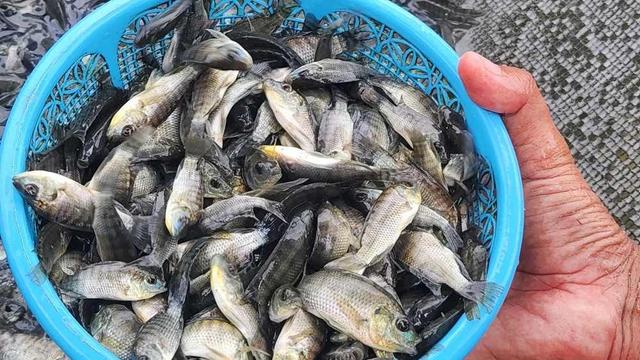
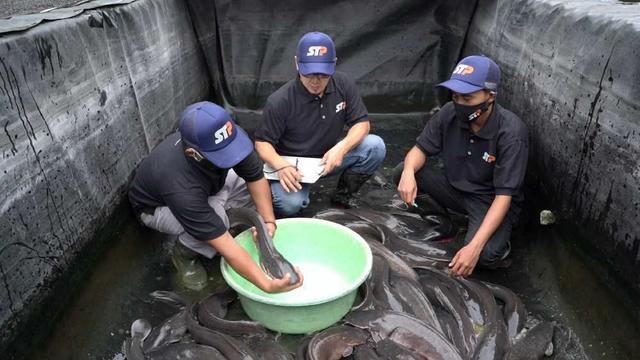
Biologically, pangasius is a hardy fish. It’s omnivorous-able to eat both natural and manufactured feed-and can hold up in water without especially high oxygen. That’s what makes pangasius relatively easy to raise, even in high-density ponds. Its body can grow large, reaching several kilograms when raised long enough.
The “hardy” label isn’t just talk. When oxygen in the water runs thin, pangasius can rise to the surface to take in air directly. That survival ability lets it be raised in dense ponds or in water whose quality isn’t yet ideal-something many other fish struggle with.
Behind the exclusive-sounding name dory, pangasius is really a good, wallet-friendly source of animal protein. A 100-gram serving of pangasius meat contains roughly 15 to 17 grams of protein, with a relatively low fat content.
A few things that make pangasius worth a spot in the daily menu:
- High protein that supports muscle growth and recovery
- Low fat, a fit for anyone watching their diet
- Omega-3s that benefit the heart and brain
- A soft texture that’s easy to digest for all ages
In other words, choosing dory means getting the nutrition of pangasius at a price far friendlier than imported fish fillet.
From the Dinner Table to the Fish Pond
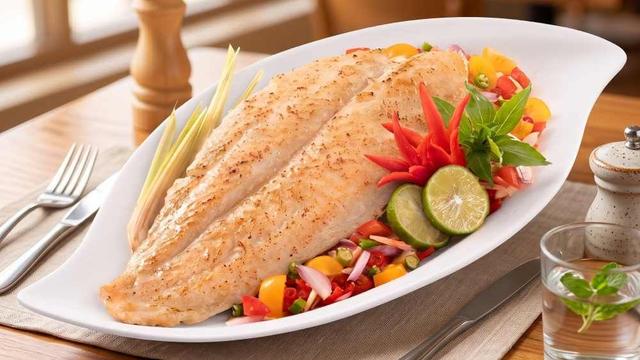
In the kitchen, pangasius fillet is remarkably versatile. It can be battered and fried into crispy dory, baked, cooked in butter sauce, or turned into nuggets and all kinds of home dishes. That flexibility is what makes it so well liked, at restaurants and family kitchens alike.
This high demand makes pangasius one of Indonesia’s leading freshwater commodities. The government, through the Ministry of Marine Affairs and Fisheries (KKP), has even pushed local pangasius consumption as a substitute for imported dory fillet. Its farming has spread across many regions because the fish grows fast and withstands varied conditions. For anyone looking to take up the business, there’s a pangasius farming guide that covers the steps in full.
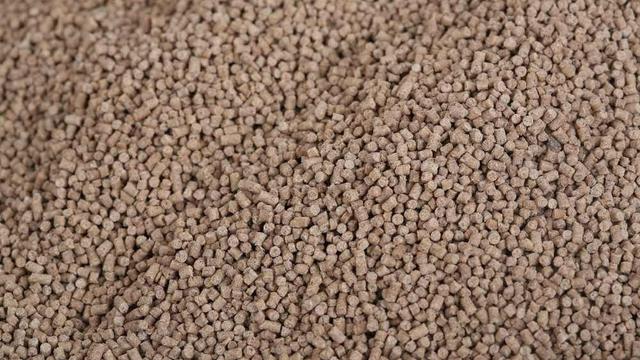
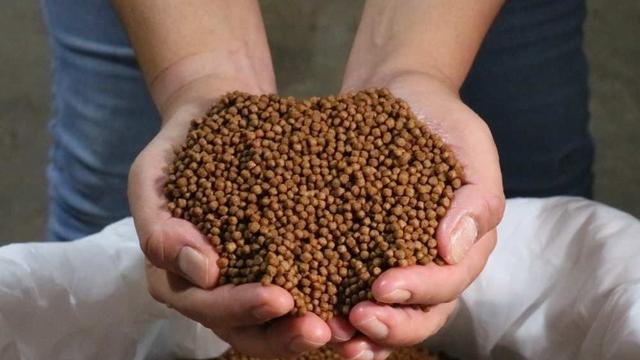
One deciding factor in pangasius farming success is feed quality. As a producer operating since 1987 and part of JAPFA, STP offers a lineup of STP feed made specifically for pangasius, such as the SPM 4, SPF 3 Extruder, and Supra NP series, which you can browse in the pangasius feed catalog. The right feed choice, as covered in the STP best aquaculture feed guide, also shapes the quality of the meat produced.
Closing
So when you enjoy a dory fillet, you’re really eating pangasius-a local freshwater commodity with white, thick, low-bone meat. The name dory is just a trade term that makes it sound fancier, while the real John Dory (Zeus faber) is a saltwater fish rarely seen in Indonesia. Understanding this helps us appreciate pangasius for what it is: a highly nutritious, affordable fish with major domestic farming potential.
FAQ
Is dory fish the same as pangasius?
In the Indonesian market, most of the dory fillet sold does come from pangasius (Pangasius). The name dory is used as a trade term because the meat’s color and texture resemble real John Dory, which is actually a different saltwater fish and rarely available here.
Is pangasius healthy to eat?
Yes. Pangasius is a source of animal protein with low fat and some omega-3. Its tender meat is easy to digest, making it safe and suitable for everyone from children to older adults.
What’s the difference between pangasius and real John Dory?
Pangasius is a freshwater fish from the family Pangasiidae, widely farmed in Indonesia. John Dory (Zeus faber) is a flat-bodied saltwater fish from European and nearby waters. They’re different species, but the similar meat color is why pangasius gets marketed as dory.