Top Tips for a High-Yield Vannamei Shrimp Harvest
General • 2026-06-30
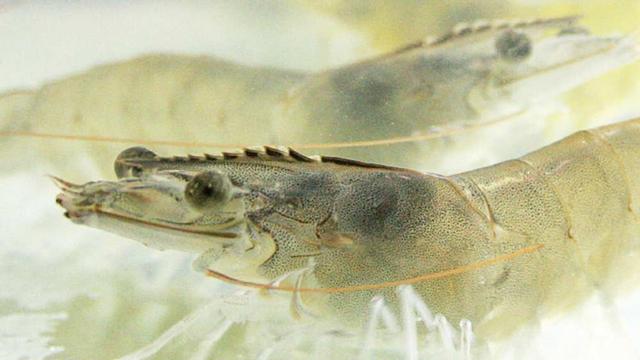
Vannamei shrimp farming remains one of the most promising aquaculture sectors in Indonesia. High market demand, both domestically and internationally, keeps this commodity growing and makes it a top choice for many farmers.
According to data from the Ministry of Marine Affairs and Fisheries (KKP), Indonesia's shrimp export value in 2024 reached approximately US$1.68 billion, with over 214,000 tons shipped to various countries. The government is also continuously pushing to boost national production to meet the ever-growing global market demand.
This shows that business opportunities in Vannamei shrimp farming remain wide open. However, farming success isn't solely determined by high market demand. Pond productivity still heavily depends on various factors, ranging from fry (post-larvae) quality, feed management, and water quality, to consistent biosecurity implementation.
For farmers looking to boost their harvest, understanding these factors is a crucial step in building a productive and sustainable farming business.
What Does a Productive Vannamei Shrimp Pond Look Like?
Every farmer naturally wants a high survival rate, rapid growth, and an optimal harvest. To help measure farming performance, there are several common indicators used as benchmarks.
Based on the Indonesian National Standard (SNI 01-7246-2006), a well-managed intensive Vannamei shrimp pond typically aims for the following performance targets:
Parameter & Benchmark Target
- Survival Rate (SR): 80–90%
- Feed Conversion Ratio (FCR): ±1.4
- Average Daily Growth (ADG): ±0.2 grams/shrimp/day
- Pond Productivity: ≥15 tons/ha/cycle
These numbers serve as a reference for farmers to evaluate their farm's performance and identify areas that still need improvement.
Why Do Vannamei Shrimp Ponds Sometimes Fall Short of Maximum Yields?
Despite the massive business potential, not every farming cycle goes as planned. Many farmers face challenges such as slow growth, low survival rates, or steadily rising feed costs.
Generally, three main factors highly influence farming success:
1. Fry Quality
Farming success starts with the selection of the Vannamei Shrimp Fry. Healthy, high-quality fries have a better chance of growing optimally and adapting to the pond's environmental conditions.
Conversely, fries that experience stress during transport or come from unreliable sources face a higher risk of mortality right from the start of the rearing process.
2. Feed Management
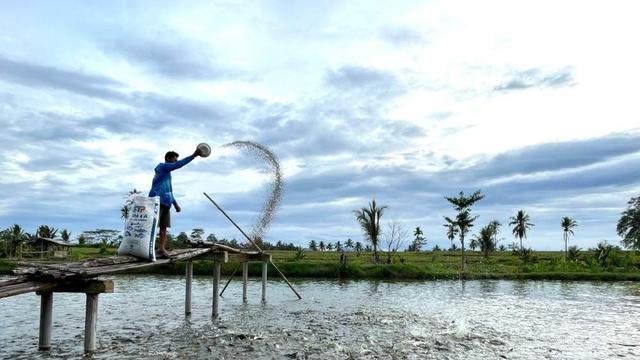
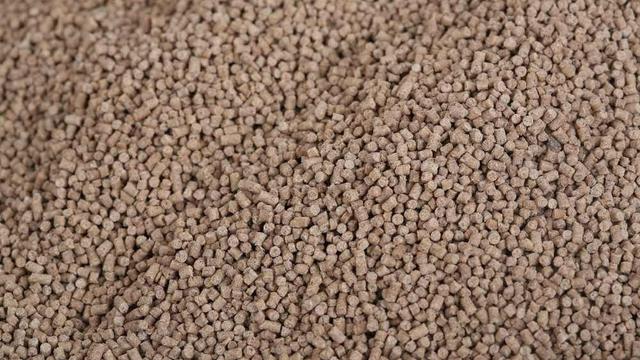
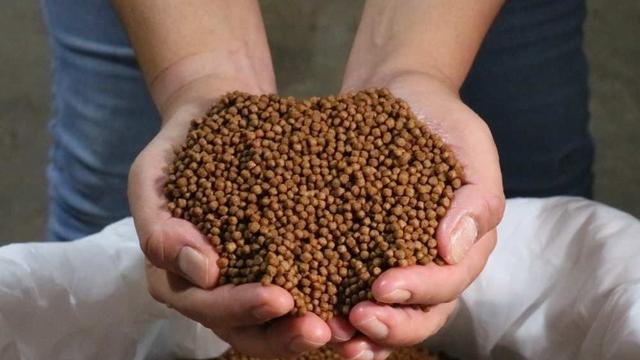
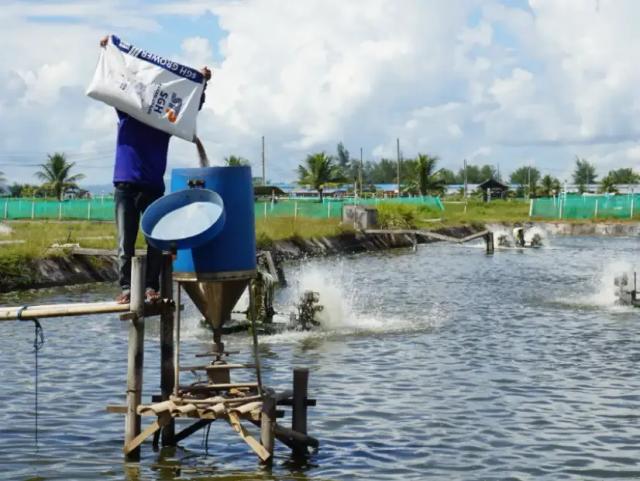
Feed is one of the largest cost components in shrimp farming. Therefore, using the right Vannamei Shrimp Feed heavily impacts growth, feed efficiency, and overall pond productivity.
Beyond choosing high-quality feed, farmers must also pay close attention to feeding frequency, the shrimp's appetite, and regular feeding tray (anco) evaluations.
3. Water Quality and Biosecurity
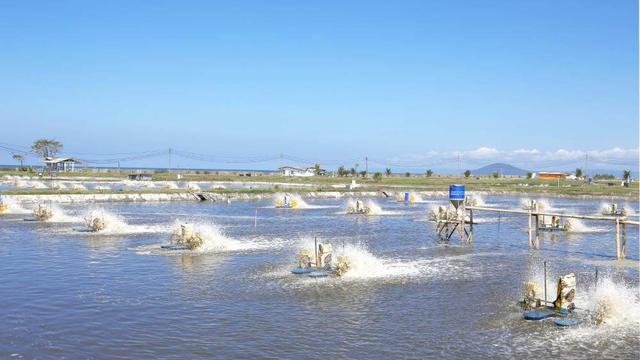
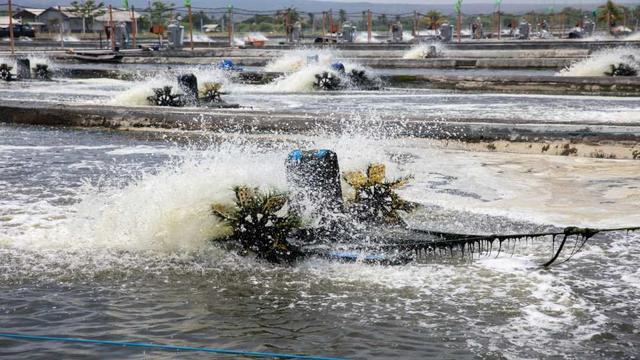
A stable farming environment helps shrimp grow healthier and minimizes the risk of disease outbreaks. Proper water quality management and consistent biosecurity measures are vital foundations in intensive farming.
These three factors are interconnected and must be managed simultaneously to achieve optimal farming results.
Pond Preparation: The Crucial First Step to Farming Success
Many farmers focus solely on the grow-out phase, even though harvest success is often determined during pond preparation. Before stocking the fries, several critical steps must be properly executed.
Drying the Pond Bottom
- Drying the pond bottom helps reduce pathogen loads and accelerates the oxidation of organic matter left over from the previous cycle. This process also improves the quality of the pond bottom, ensuring it is ready for the next cycle.
Liming
- Liming aims to stabilize the soil's pH and improve the farming environment before filling the pond with water. The lime dosage should be adjusted based on the specific pond conditions and soil quality measurements.
Setting Up the Biosecurity System
- Prevention is always better than a cure. Implementing biosecurity from day one helps minimize the risk of introducing pathogens that cause diseases like WSSV, AHPND, or EHP. Aside from strict sanitation procedures, using the right supporting products can also help maintain optimal pond conditions.
Choosing High-Quality Vannamei Shrimp Fry
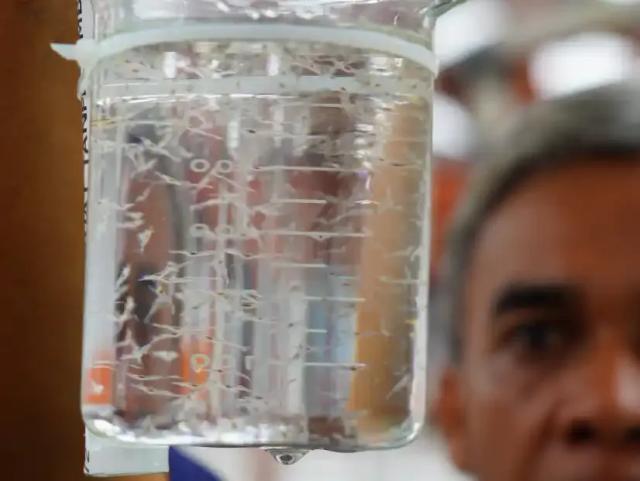
Selecting a high-quality Vannamei Shrimp Fry is one of the most critical decisions in any farming cycle. Good fries typically have a uniform size, are highly active, and come from hatcheries that implement strict health standards.
Before buying, ensure the fries have clear health documentation and come from a reputable source. For farmers looking to improve efficiency, using larger, pre-nursed fries can be a great alternative to shorten the grow-out period and increase size uniformity at harvest.
Effective Feeding Strategies for Vannamei Shrimp
Farming success isn't just about the amount of feed provided; it's also about matching the nutrition to the shrimp's needs at every growth stage. Because of this, using stage-appropriate Vannamei Shrimp Feed is a crucial part of supporting optimal growth.
In the early stages, shrimp need smaller-sized feed packed with nutrients that support organ development. As the shrimp grow, their nutritional requirements change, meaning the type of feed used must be adjusted accordingly.
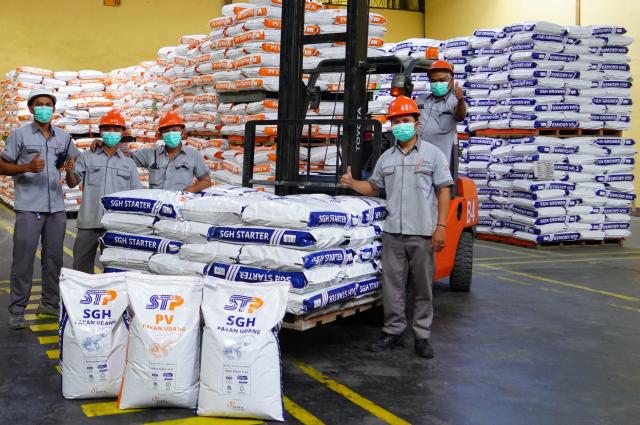
Through this approach, using STP Feed can help farmers meet their shrimp's nutritional needs accurately at every growth stage, from the initial phase all the way to pre-harvest.
STP: Supporting Aquaculture Productivity with Integrated Solutions
Farming success never relies on a single factor. It requires a combination of high-quality fries, the right feed, proper water quality management, and continuous technical support.
As an integrated aquaculture company, STP provides comprehensive solutions to boost farmers' productivity, ranging from Vannamei Shrimp Fry and Vannamei Shrimp Feed to field-based technical services designed to improve pond performance.
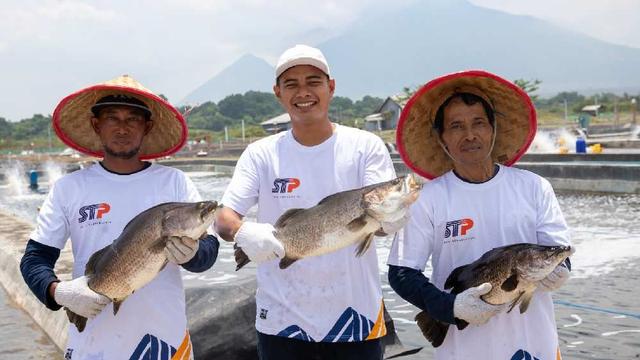
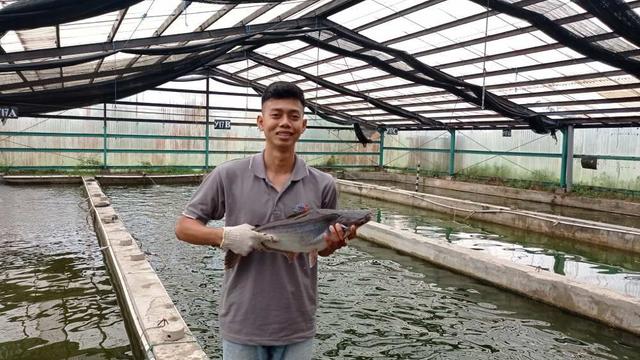
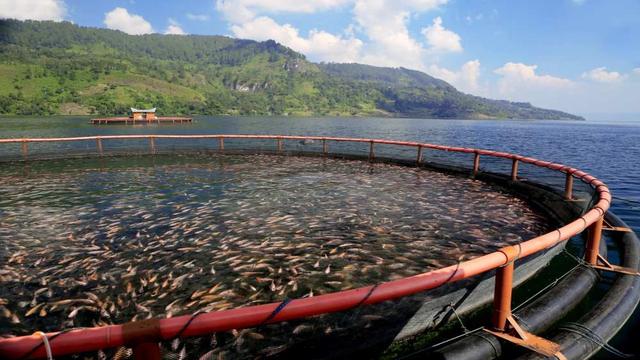
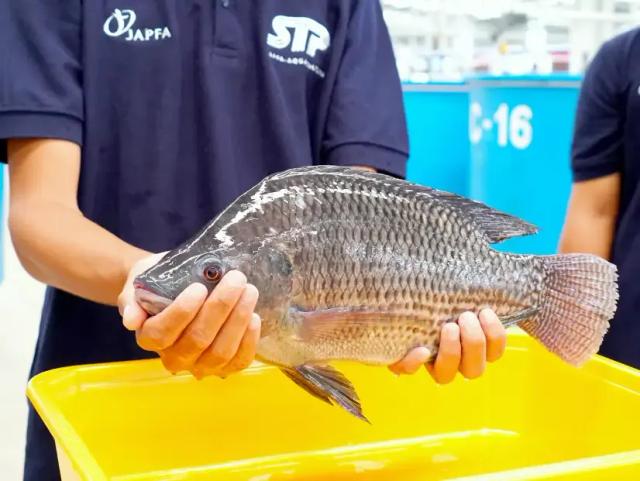
Beyond the shrimp sector, STP also offers a wide selection of Cultured Fish Feed and Tilapia Feed, engineered to help farmers achieve optimal results across various aquaculture commodities.
With the application of good farming practices and the right support solutions, the goal of achieving higher pond productivity can be realized sustainably.