Vanammei Shrimp Post-Larvae: Selection, Quality, and Disease Management
General • 2026-05-11
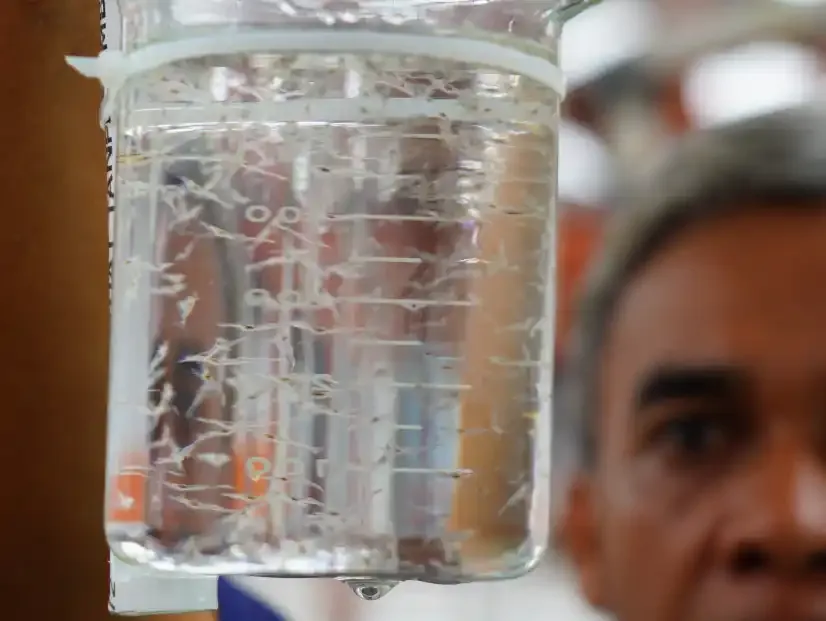
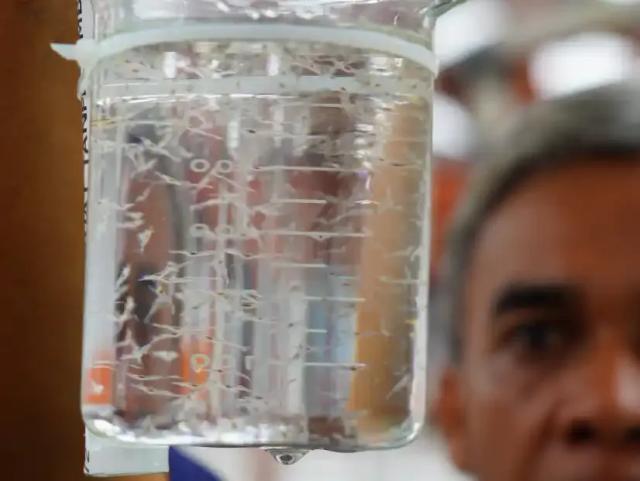
This article explores how to select high-quality Vanammei shrimp post-larvae aka “benur udang” by identifying superior varieties, healthy physical criteria, and pathogen-free certification standards to ensure maximum survival rates and optimal harvest yields.
In the shrimp farming industry, selecting high-quality post-larvae (locally known as benur) is the most crucial first step. Healthy larvae directly determine the survival rate and Feed Conversion Ratio (FCR) efficiency. With superior seeds, shrimp growth becomes more optimal, and the risk of financial loss is significantly minimized.
Post-larvae (PL) refers to the stage in the shrimp life cycle just days after hatching, where Vaname shrimp (Litopenaeus vannamei) have already developed a complete body structure despite their microscopic size. Vaname shrimp remain the primary choice in the global aquaculture industry due to several key characteristics:
- High Adaptability: Capable of thriving across a wide range of salinity levels.
- Rapid Growth: Possessing a relatively short cultivation cycle compared to other shrimp species.
- High Stocking Density: Can be reared in large numbers within limited space, provided that water and oxygen management are well-maintained.
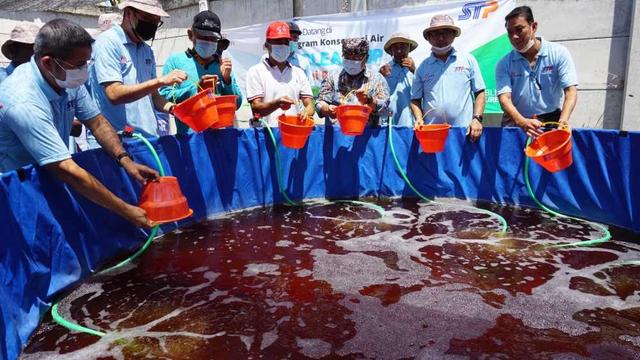
As part of JAPFA, STP Aquaculture is committed to providing Vaname shrimp post-larvae with high-quality standards. STP products undergo rigorous testing and are backed by international certifications, including ISO 9001:2015 and TüV Rheinland.
STP Aquaculture offers two high-quality options: standard Post-Larvae (PL) phase and the Nursery phase through the Super PL STP product. Super PL STP consists of larvae raised to the PL30 stage in a controlled, biosecure hatchery environment. This results in more uniform sizes, stronger resilience, and reduced risks during the early stages of cultivation. Beyond shortening the harvest cycle by approximately 20 days, Super PL STP supports feed efficiency, increases survival rates, and simplifies pond management for modern farmers. Furthermore, STP’s expert team provides technical support and mobile laboratory services to ensure your farm operations run successfully.
Tips for Selecting Quality and Disease-Free Vaname Post-Larvae
Selecting the right larvae is essential for maximizing success. Here are several tips to help you choose healthy, disease-free seeds:
- Verified Sources & SPF Broodstock: Ensure your larvae come from a trusted hatchery like STP and that the breeder holds health certificates. A reputable hatchery performs regular quality checks. It is vital to ensure that the larvae come from SPF (Specific Pathogen Free) broodstock to prevent hereditary disease transmission.
- Size Uniformity and Appearance: Choose larvae that are uniform in size and free from deformities. Healthy larvae should have intact bodies and move actively. Avoid larvae that appear lethargic or show signs of physical damage, such as curved bodies or missing appendages.
- Environmental Conditions: Larvae from clean, healthy environments are generally more resilient. Ensure they were raised in water with good parameters, free from pollution or harmful chemicals.
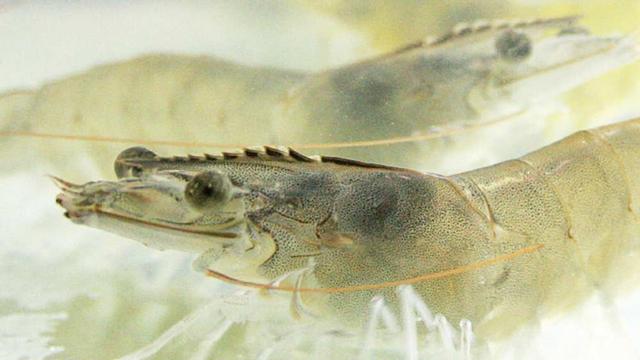
- Health Status: Check for bright, transparent body colors without white spots or blemishes, which could indicate infection. Healthy larvae are typically agile and responsive.
Physical and Behavioral Quality Checks
Inspecting quality involves more than just measuring size; it requires observing physical integrity and behavior:
- Physical Inspection: High-quality larvae have complete body parts. Carefully check the tail, antennae, and legs for damage. Healthy larvae have straight bodies with transparent shells and no white patches.
- Body Coloration: Healthy Vaname larvae are bright and transparent. Opaque or blackish coloration can be a sign of stress or infection.
- Behavioral Patterns: Quality larvae are active swimmers. They should constantly move to find shelter or food. Lethargic larvae often indicate underlying health issues.
- Environmental Responsiveness: High-quality larvae react quickly to changes in their surroundings, such as movement in the water. If they are non-responsive or sink to the bottom without attempting to swim, they are likely unhealthy.
Identifying Signs of Unhealthy Post-Larvae
Early identification of unhealthy larvae is critical to preventing the spread of disease:
- Color Changes: If the body becomes opaque, blackish, or develops white spots, it may indicate infections like White Spot Disease or bacterial outbreaks.
- Lethargy: Larvae that remain at the bottom of the tank or do not swim actively are often suffering from stress or diseases like Viral Nervous Necrosis (VNN).
- Physical Deformities: Bent tails, missing limbs, or damaged shells are indicators of poor environmental conditions or infections.
- Swelling or Cysts: The presence of swelling or cyst formation is a common symptom of parasitic or bacterial infections.
- Loss of Appetite: A sudden decline in feeding activity is often the first sign of a serious health problem.
Factors Influencing Post-Larvae Quality
Several factors dictate the health and growth potential of the larvae:
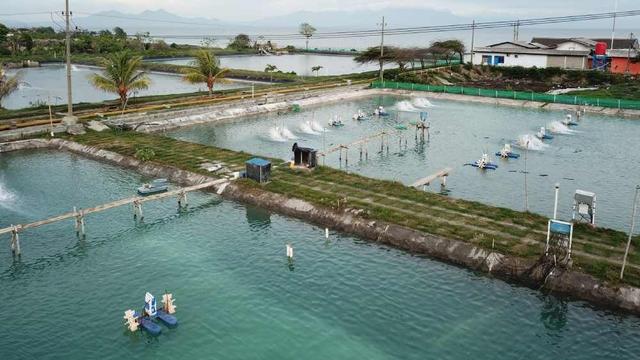
- Water Quality: Clean water with stable parameters (temperature, salinity, dissolved oxygen, and pH) is vital. Poor water quality causes stress and invites disease.
- Available Feed: Nutritious feed tailored to the larval stage helps build a strong immune system. Malnutrition leads to weak resistance.
- Hatchery Biosecurity: The hatchery must be sterile and free from contamination to prevent the breeding of parasites and pathogens.
- Genetics: Larvae from healthy, genetically superior SPF broodstock are naturally more resilient.
- Environmental Management: Fluctuations in temperature and humidity can negatively impact larval quality.
Field Quality Testing Before Stocking
Before releasing larvae into the ponds, perform these field tests:
- Visual Check: Confirm active movement and transparent body color.
- Activity & Response Test: Observe how quickly they adapt when placed in a temporary container.
- Water Parameter Testing: Ensure the pond water (pH, salinity, temperature) matches the larvae's requirements to prevent "osmotic shock."
- Density Check: Adjust the stocking density to avoid overcrowding, which can degrade water quality.
The Importance of Biosecurity
Biosecurity is a series of preventive measures designed to stop the spread of pathogens. This includes maintaining a clean pond environment, managing waste effectively, and ensuring that all feed is stored properly to prevent mold or bacterial growth. Choosing larvae from verified hatcheries like STP which implements strict sterilization and health protocols is a core component of a strong biosecurity strategy.
Conclusion: Quality Post-Larvae for a Successful Harvest
The quality of Vaname shrimp post-larvae is the foundation of a successful harvest. High-quality seeds not only increase the survival rate but also lead to an efficient Feed Conversion Ratio (FCR). Healthy larvae grow faster, adapt more quickly to the pond environment, and reduce overall feed costs.
STP (Suri Tani Pemuka), as part of JAPFA, holds TüV Rheinland and ISO 9001:2015 certifications, guaranteeing that our Vaname post-larvae are disease-free, high-quality, and highly adaptable. With over 30 years of experience, STP provides total solutions including superior larvae, premium feed, and integrated technical and mobile laboratory services to support shrimp farmers across Indonesia. Reach out to STP Aquaculture today to find the right solutions for your cultivation needs!