How to Choose the Right Catfish Feed for Faster Growth and Lower FCR
General • 2026-06-30
Selecting the right feed is one of the most critical factors in catfish farming. Proper feed selection not only helps the fish grow faster but also supports their health and improves production cost efficiency.
Many farmers face challenges such as slow growth, uneven fish sizes, or wasteful feed usage. In reality, these issues are often linked to using the wrong type of feed for the fish's specific growth stage.
Through this article, you will learn how to choose the right catfish feed, understand the nutritional needs at each farming stage, and discover practical steps to boost growth and feed efficiency.
Why Does Catfish Growth Often Fall Short of Targets?
Catfish is a freshwater aquaculture commodity with a highly stable market demand in Indonesia. However, farming success isn't solely determined by fry quality or pond conditions; it also relies heavily on proper feed management.
In practice, many farmers still experience slower-than-targeted fish growth or require longer harvest times. Some of the most common causes include:
- Feed nutritional content does not match the fish's growth stage.
- The amount of feed given is not adjusted to the developing biomass.
- Inconsistent feeding schedules.
- Poor pellet quality that easily breaks down in the water.
- Declining water quality due to uneaten feed residue.
Because feed is the largest cost component in catfish farming, using the right feed is a major key to maintaining both productivity and business efficiency.
Catfish Feed Recommendations Based on Growth Stages
Fry Phase (0–15 Days) In the early stages of life, catfish require high nutrition to support organ and tissue development. Small-sized feed with a higher protein content is highly recommended so the fry can grow healthy and uniform.
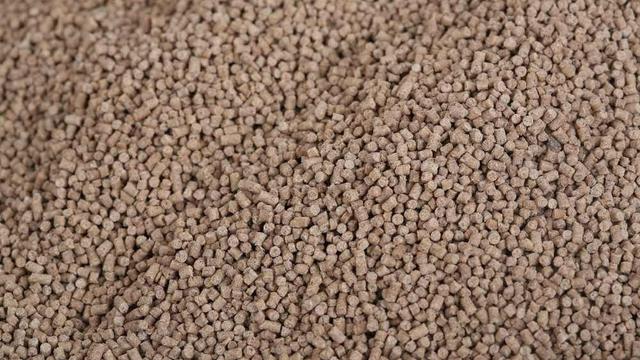
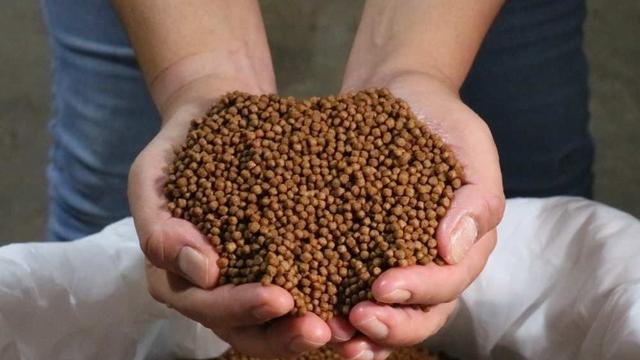
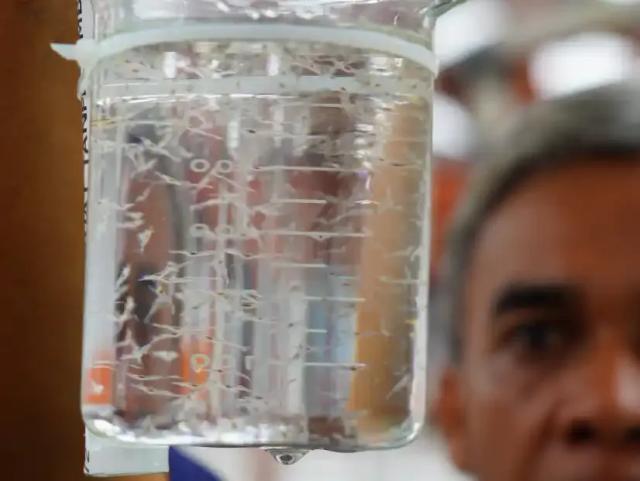
Feed variants like Supra NP or New Supra ZT from STP are ideal choices. The "Supra" line is designed as a high-quality, protein-dense feed formulated to be highly digestible for fry. The powder or crumble format ensures the feed fits easily into the extremely small mouths of catfish fry. Besides artificial feed, farmers can also utilize natural feed as a supplement during this early rearing stage.
Nursery Phase (15–40 Days) Entering the nursery phase, fish growth begins to accelerate. At this stage, pellet size can be gradually increased while still prioritizing the nutritional quality provided.
STP’s SPM 4 A series or starter-category variants from the Supra line are recommended. Using this transitional category helps train the fish's digestive system to switch from crumbles to whole pellets. The size is increased slowly to prevent any fish from becoming stunted due to difficulty swallowing their food. Regular feeding helps maintain even growth and reduces the risk of competition among the fish.
Grow-Out Phase (40–65 Days) The grow-out phase is a critical period for optimally increasing fish weight. At this stage, farmers must ensure nutritional needs are consistently met without causing feed wastage.
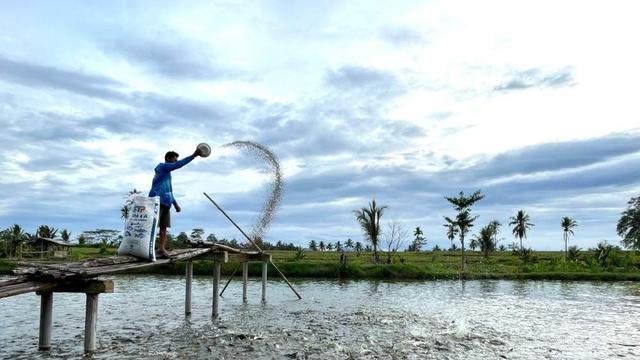
The SPF 3 Extruder catfish feed series uses extrusion technology to produce high-quality floating pellets. This choice directly addresses the main challenge of the grow-out phase: monitoring the fish's appetite and the pond's water condition. By using floating pellets, you can easily observe the feeding response and immediately stop feeding when the fish are full. This prevents overfeeding, which triggers feed wastage and water degradation. Monitoring fish appetite and pond water conditions becomes a vital factor in supporting maximum growth.
Pre-Harvest Phase (65–75 Days) Approaching harvest, the main focus is maintaining growth performance and keeping the fish healthy until they reach the desired market size.
Using the SPF 3 Extruder with the largest millimeter size, adjusted to the fish's maximum mouth opening pre-harvest, is highly recommended. This floating feed line is ideal for maturing body weight efficiently, locking in performance to keep fish healthy, and ensuring firm meat (resulting in better harvest quality). Good feed management during this phase helps produce a more uniform fish size and superior overall harvest quality.
Signs Your Feed is Unsuitable for Catfish
Not all growth issues are caused by disease. In many cases, the fish are actually showing signs that the feed being used is unsuitable. Several indicators to watch out for include:
- A sudden drop in appetite.
- Uneven fish growth.
- A large amount of uneaten feed settling at the pond bottom.
- The fish's bodies appear unhealthy.
- Feed usage efficiency continuously declines.
If these conditions occur, evaluate your feed quality, feeding patterns, and the farming environment before deciding to switch products.
Choosing the Right Feed for Optimal Farming Results
Catfish farming success is not merely determined by the amount of feed given, but by how well the feed matches the fish's requirements at every growth stage.
By selecting high-quality feed, implementing consistent feeding schedules, and maintaining pond water quality, farmers can help accelerate fish growth while improving production cost efficiency.
As part of an integrated aquaculture solution, STP provides various Pakan Ikan Budidaya options designed to support growth performance and farmer productivity. Besides Pakan Ikan Nila and catfish feed, STP also offers Pakan Udang Vaname, Benur Udang Vaname, and technical support to assist in the success of Budidaya Udang Vaname and various other aquaculture commodities.