Farming Milkfish in Brackish-Water Ponds: Techniques and Keys to a Successful Harvest
General • 2026-08-11
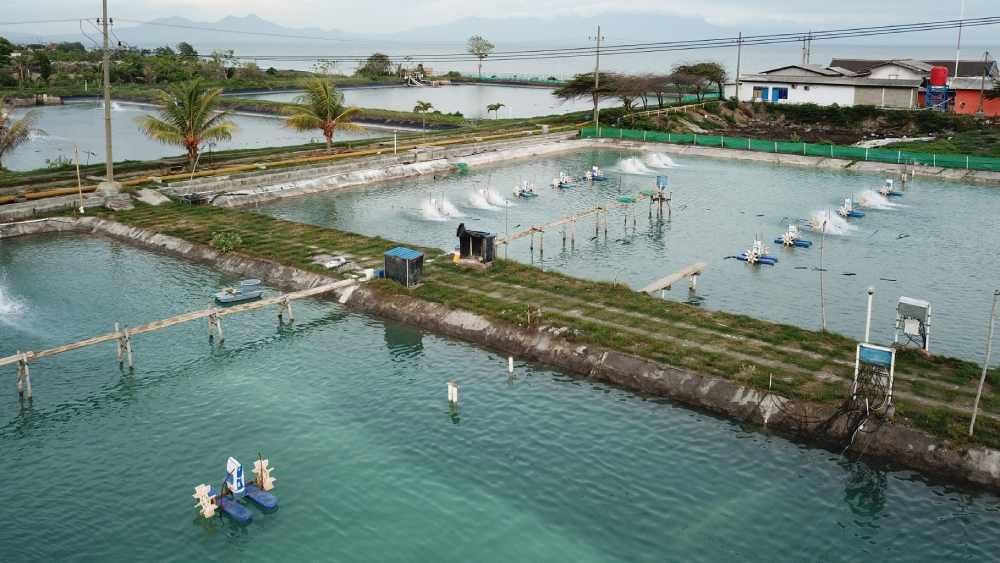
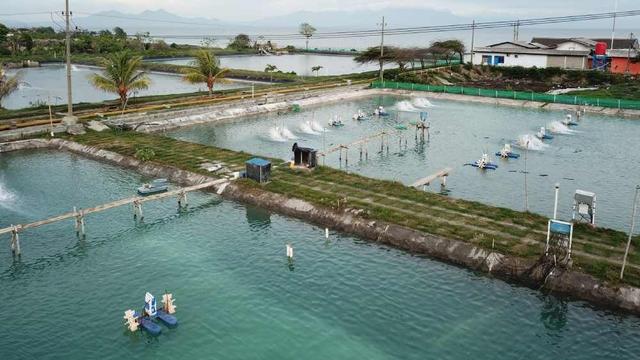
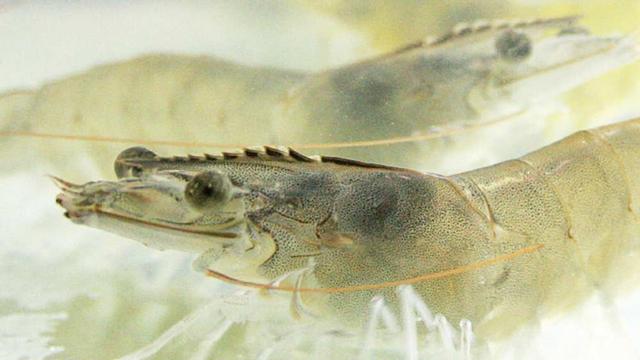
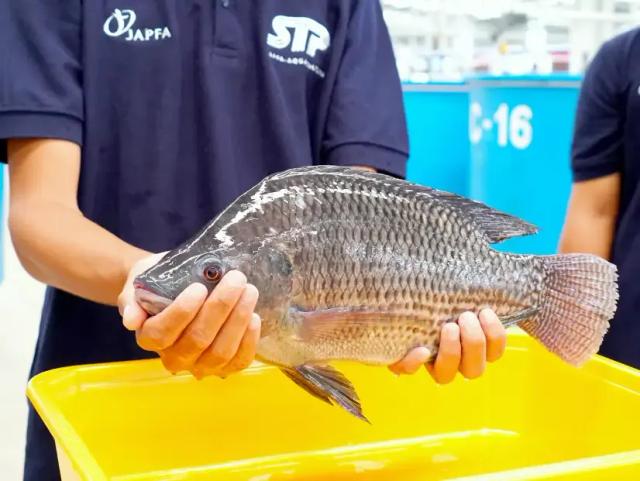
Farming milkfish (Chanos chanos) in brackish-water ponds is a major aquaculture practice along Indonesia’s coast. Success rests on five stages: preparing the pond through drying, liming, and pest control; growing natural food in the form of klekap and plankton; stocking seed (fry or fingerlings); managing brackish-water quality-salinity, dissolved oxygen, and temperature; and providing manufactured feed by growth phase. Milkfish ponds can also be run as polyculture alongside whiteleg shrimp (Litopenaeus vannamei).
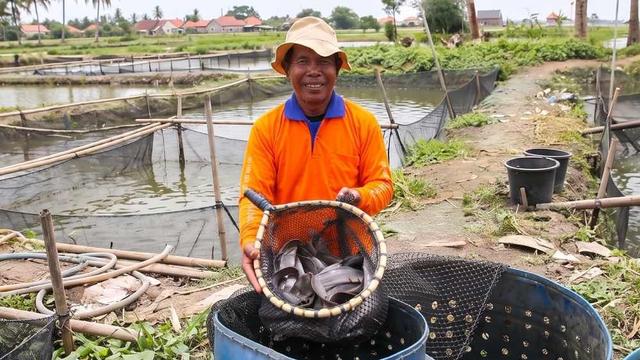
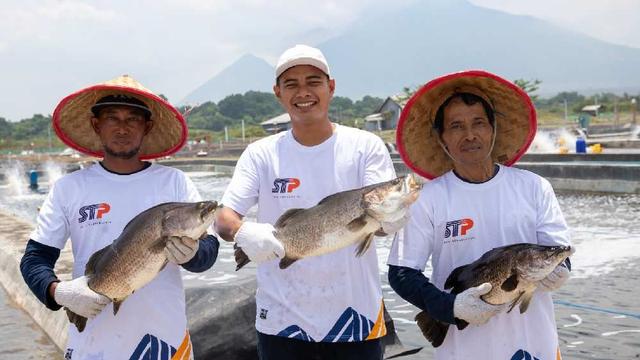
Milkfish is a leading commodity in brackish-water ponds across many of Indonesia’s coastal regions, from Gresik and Sidoarjo to Makassar. The fish is tough, the market is clear-from fresh milkfish to pressure-cooked bandeng presto to fishing bait-and it can be raised in traditional or semi-intensive ponds. Even so, harvests vary widely from one farmer to the next. The key isn’t luck; it’s a tidy milkfish farming technique from the very start of the cycle.
This article lays out the steps for farming milkfish in ponds in order, from pond prep, growing natural food, and stocking fry, to maintaining brackish-water quality, feeding, and harvest. It’s all written to be practical, so you can adapt it directly to your own pond conditions.
Pond Preparation: Drying, Liming, and Pest Control
A good harvest is decided long before the seed is stocked. Once the previous cycle wraps up, dry the pond bottom until the soil cracks-usually 1 to 2 weeks, depending on the weather. Drying breaks the disease cycle and helps decompose organic matter left over from the harvest.
Once the soil is dry, work through these steps in order:
- Till the bottom soil and remove the foul-smelling black mud that piles up in the pond’s corners
- Apply lime at about 500 to 1,000 kg per hectare to stabilize soil pH, raising the dose if the soil is acidic
- Control pests and predatory wild fish using saponin at a dose of 15 to 20 ppm
- Fill the water gradually through the sluice gate at high tide
Healthy bottom soil with a near-neutral pH is the foundation for growing natural food in the next stage.
Growing Natural Food Before Stocking Fry (Seed)
The strength of a milkfish pond is the natural food you can grow yourself-especially klekap, a bottom mat of mixed algae and microorganisms, along with plankton in the water column. This food source is free and a great fit for newly stocked fry.
Spur its growth with base fertilization using organic fertilizer like chicken manure, topped up with a little inorganic fertilizer if needed. Keep the initial water level around 30 to 40 cm so sunlight reaches the bottom and klekap thrives. Water ready for stocking is usually brownish or greenish with a clarity of 25 to 35 cm.
Choosing and Stocking Fry or Fingerlings
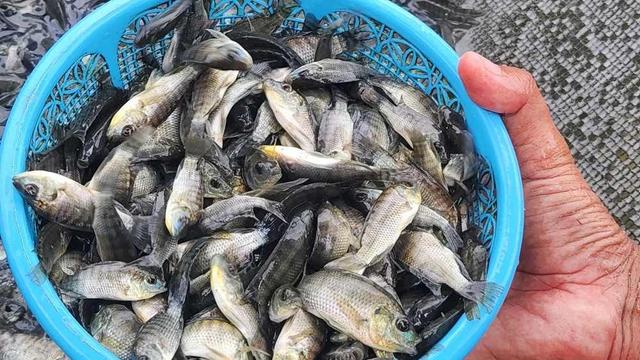
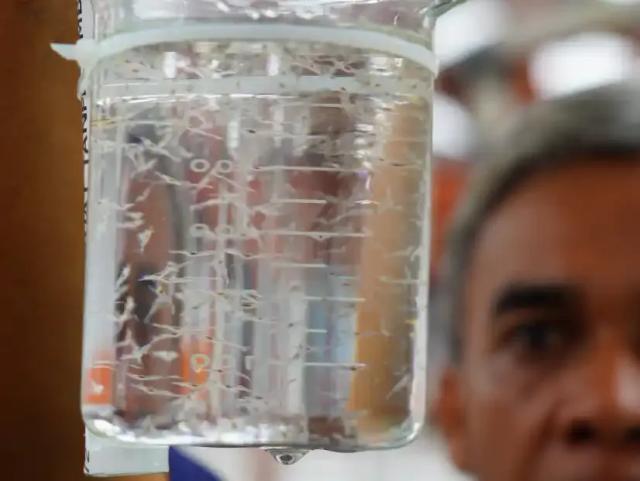
Milkfish seed comes in two forms: fry, which are still very small, and fingerlings, already grown out in a nursery plot to a size of 5 to 10 cm. Fingerlings are hardier and reach harvest faster, while fry are cheaper but demand more diligent early care.
Choose seed that’s uniform, lively, and free of wounds. For traditional ponds, stocking density runs 2,000 to 5,000 fish per hectare, while a semi-intensive system can go several times higher as long as aeration and feed are sufficient. Stock in the morning or late afternoon when the water isn’t too hot. Before stocking, float the seed bag for 15 to 20 minutes so the milkfish adjust to temperature and salinity, then release them slowly.
Keeping Brackish-Water Quality Stable
Milkfish is a euryhaline fish, tolerant of a wide salinity range-from nearly fresh to 35 ppt-with the most comfortable band at 15 to 25 ppt. Tolerant as it is, sudden shifts still stress the fish and dull their appetite.
A few parameters to monitor regularly:
- Salinity-keep it in the 15 to 25 ppt range and avoid sharp spikes during heavy rain.
- Water pH-hold at 7.5 to 8.5, aided by lime if it drops too low.
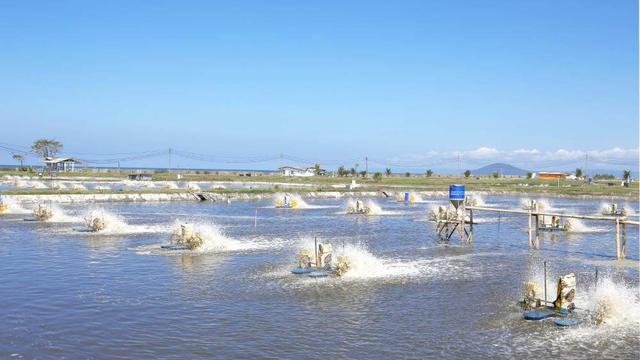
- Dissolved oxygen-aim to stay above 3 to 4 mg/L, especially toward the early morning.
- Temperature-ideal range 26 to 32 degrees Celsius.
Use the tidal rhythm for water exchange. Drain the dirty bottom layer at low tide, then bring in fresh water at high tide so organic matter doesn’t build up on the pond floor.
Combining Natural and Manufactured Feed
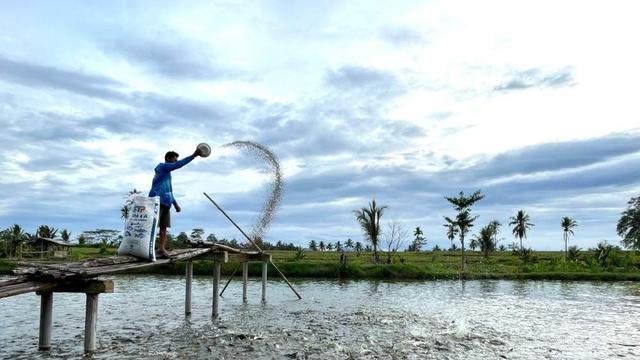
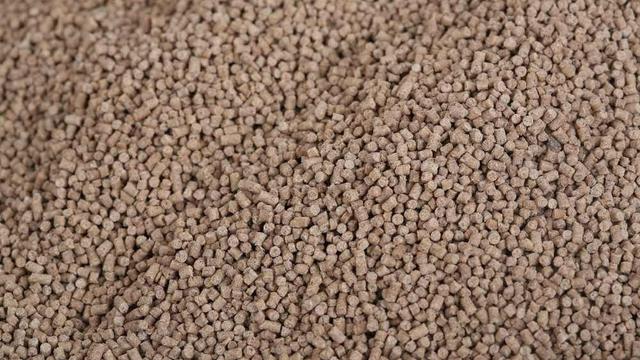
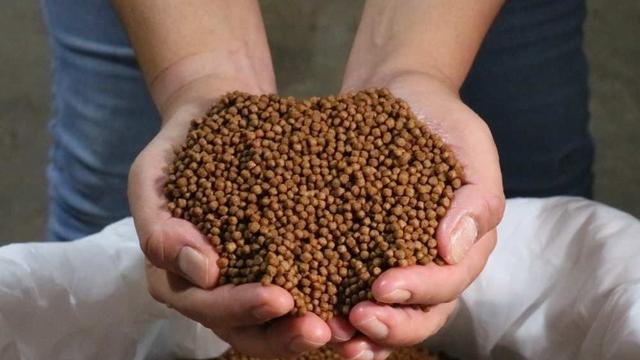
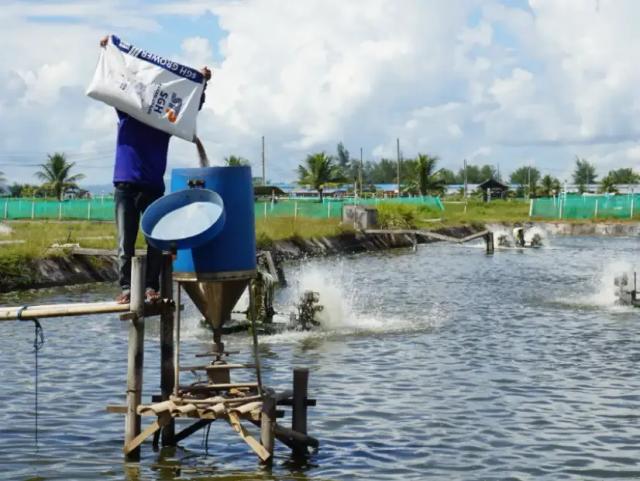
As long as natural food is still plentiful, the need for manufactured feed stays small. Once the fish grow and biomass climbs, klekap and plankton no longer suffice, so pellets step in to sustain the growth rate and size uniformity.
Feed about 3 to 5 percent of total fish weight per day in the early phase, then drop to 2 to 3 percent as the fish grow larger. As a producer operating since 1987 and part of JAPFA, STP offers a lineup of STP feed such as the BA 6, Supra NP, and SPM 4 series to complement natural food in the grow-out phase. You can view the options in the milkfish feed catalog and match them to your rearing stage. To understand how to pick feed by phase, STP’s best aquaculture feed guide is a solid reference.
Tracking Growth Through Harvest
Weigh a sample of fish every 10 to 14 days to track the growth rate and recalculate feed amounts. Routine sampling also helps you catch a slowdown early if water or feed becomes a problem.
With good management, milkfish generally reach a market weight of 250 to 400 grams in 4 to 6 months. Harvest in the morning while it’s still cool, and fast the fish the day before so their guts are empty and the meat quality is better.
The Polyculture Opportunity with Milkfish and Shrimp
One advantage of a milkfish pond is its flexibility to pair with other commodities. Polyculture of milkfish with whiteleg shrimp is fairly popular because the two occupy different space and food sources in the pond, so output per plot can rise without adding land.
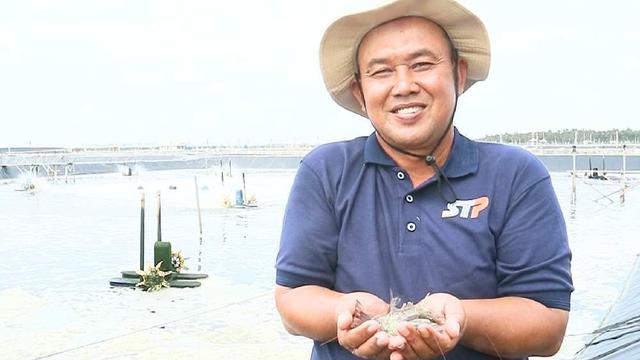
Milkfish help control excess klekap and plankton that often bother shrimp, while the farmer still harvests two commodities in one cycle. For the best polyculture results, mind your whiteleg shrimp feed to match the growth phase, and use healthy, uniform whiteleg shrimp fry from the first stocking. Farmers who want to dig into the shrimp side can read the whiteleg shrimp farming guide before trying this pattern.
Closing
Farming milkfish in ponds is a chain of connected steps: thorough pond prep, natural food grown from the start, quality seed, well-kept brackish water, and the right feeding and harvest timing. Do each stage with discipline, and a 4-to-6-month harvest at market size isn’t hard to reach. STP’s technical team is ready to help you tailor feed strategy and pond management to field conditions.
FAQ
How long does milkfish farming take until harvest?
With good pond prep and feed management, milkfish are generally ready to harvest at 250 to 400 grams in 4 to 6 months. Using fingerlings that have already been grown out can shorten the rearing time in the main plot.
Is it better to stock fry or fingerlings?
Both work. Fry are cheaper but demand diligent early care, while fingerlings of 5 to 10 cm are hardier and reach harvest faster. For beginners, fingerlings are often safer because their survival rate tends to be higher.
What’s the ideal water salinity for milkfish?
Milkfish tolerate a wide salinity range but grow best in the 15 to 25 ppt band. The most important thing is avoiding sudden salinity changes-say, during heavy rain-because sharp spikes stress the fish and cut their appetite.