What is a Floating Net Cage?
General • 2026-06-30
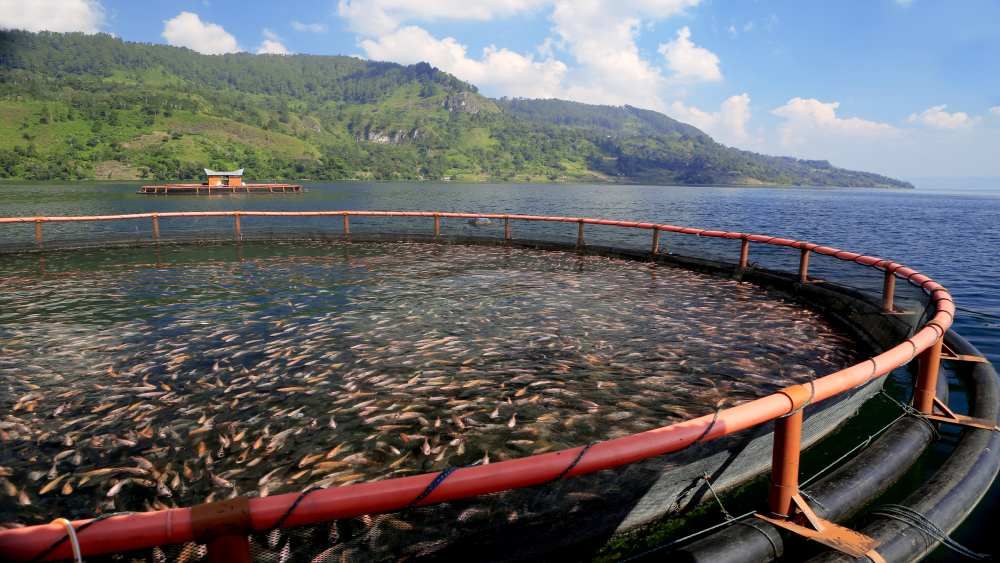
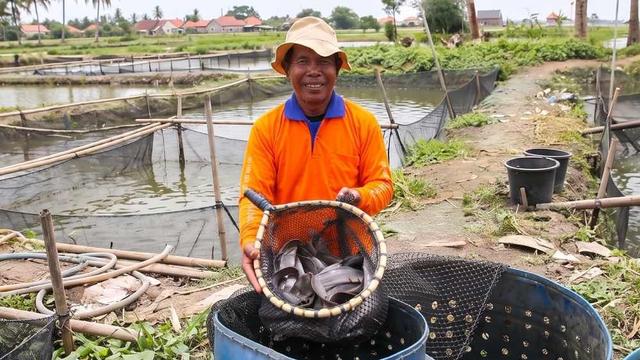
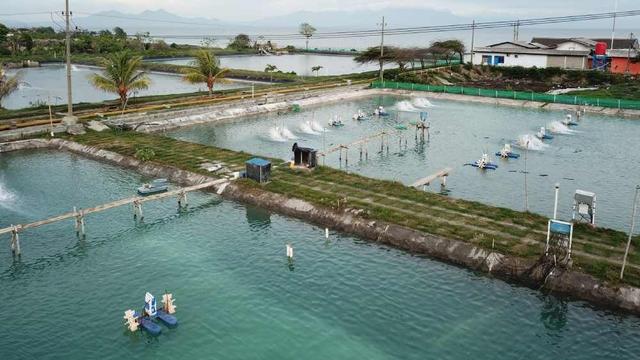
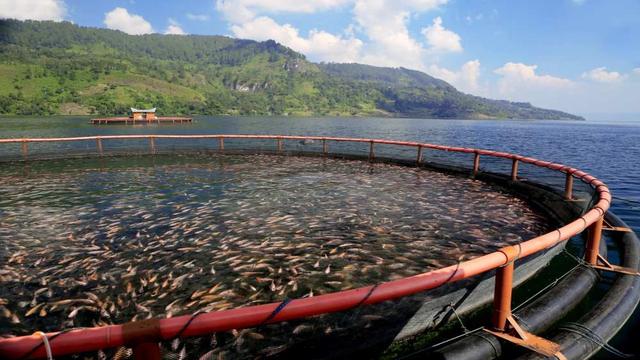
A Floating Net Cage (KJA - Keramba Jaring Apung) is a fish farming method that utilizes natural water bodies such as lakes, reservoirs, or marine waters. It uses nets attached to floating frames, allowing fish to be reared directly in an aquatic environment with natural water circulation.
Compared to land-based ponds or traditional aquaculture, Floating Net Cages offer several advantages, such as more efficient land use, better water circulation, and a production capacity that can be tailored to business needs.
For these reasons, KJA has become a highly considered option for farmers looking to develop a more productive aquaculture business.
Why Are Floating Net Cages Growing in Popularity?
Interest in Floating Net Cages continues to rise alongside the development of Indonesia's aquaculture sector.
Data from the Ministry of Marine Affairs and Fisheries (KKP) shows that Indonesia's farmed fish production reached 6.37 million tons in 2024, a 13.64% increase from the previous year. This growth indicates that market demand for aquaculture products is steadily increasing, opening up opportunities for more productive farming ventures.
Additionally, Indonesia is home to numerous lakes, reservoirs, and water bodies with high potential for aquaculture. With proper management, KJA can be an attractive business alternative for farmers and aquaculture entrepreneurs alike.
However, farming success is not determined by location alone. Commodity selection, feed management, water quality, and the implementation of good aquaculture practices remain the primary factors dictating production success.
Common Fish Commodities Farmed in Floating Net Cages
One of the main advantages of Floating Net Cages is their flexibility in accommodating various types of fish. Each commodity has distinct characteristics in terms of growth, feed requirements, and target markets.
Fast-Turnover Commodities (Tilapia & Common Carp): These are highly efficient for quick production, offering short harvest cycles of 4 to 6 months and high stocking densities (50–100 fish/m³). They deliver solid productivity (around 11.5–12 kg/m³/cycle) and an efficient FCR (1.5–1.8), with moderate market prices ranging from IDR 23,000 to IDR 40,000/kg.
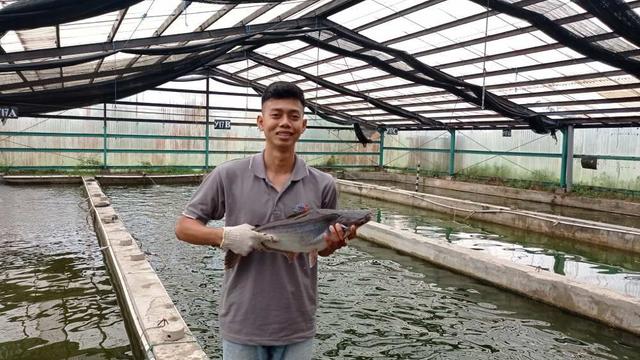
Moderate-Turnover Commodity (Pangasius): This species sits in the middle with a 6 to 8-month harvest cycle, a stocking density of 40–70 fish/m³, and a slightly higher FCR of 1.8–2.2. It fetches the lowest estimated market price on the list at IDR 14,000–16,000/kg.
Premium, Long-Term Commodities (Gourami & Grouper/Snapper): These command the highest market prices, reaching up to IDR 150,000/kg for Grouper. However, they require a much longer time investment of 12 to 18 months, utilize lower stocking densities (10–40 fish/m³), and demand higher feed costs, with Grouper having the highest FCR at 3.0–4.5.
Note: Prices may vary depending on location, season, and market conditions.
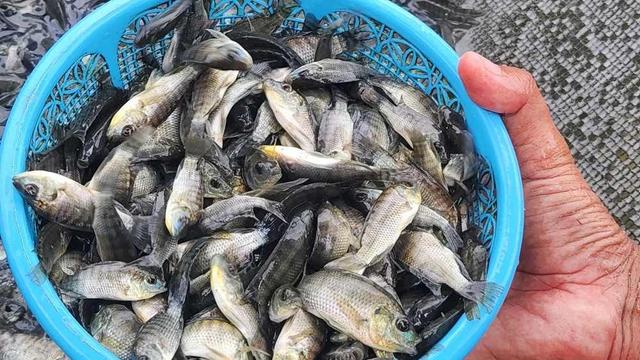
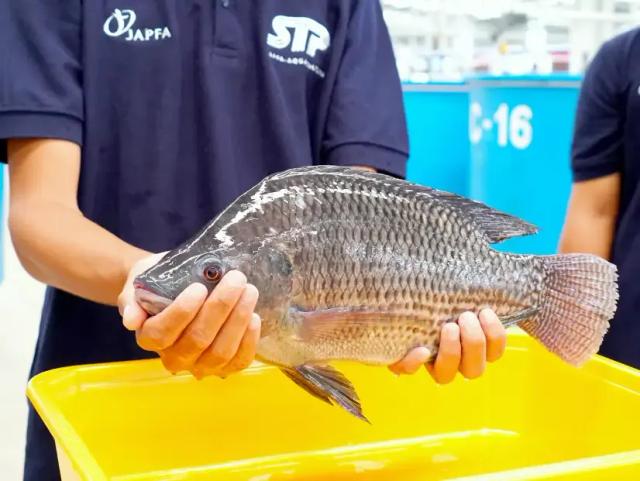
Among these commodities, tilapia stands out as one of the most popular due to its relatively fast growth, stable market demand, and well-established farming technologies widely applied by farmers across Indonesia.
Key Factors for Farming Success in Floating Net Cages
Despite their high production potential, successful farming in Floating Net Cages still requires excellent management. Key factors to consider include:
- Site Selection: A good location offers stable water quality, adequate depth, and easy access for daily operations and harvest distribution.
- Fry Quality: Healthy and uniform-sized fry will help improve survival rates and yield more optimal growth throughout the rearing period.
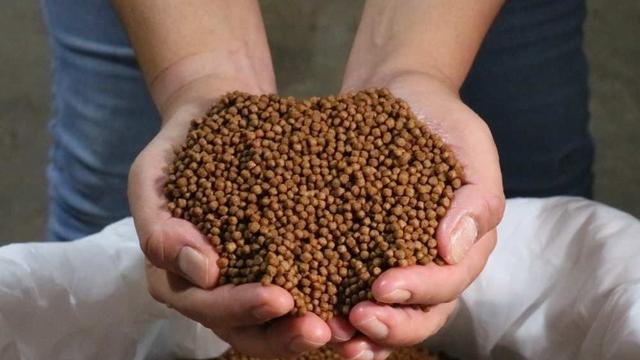
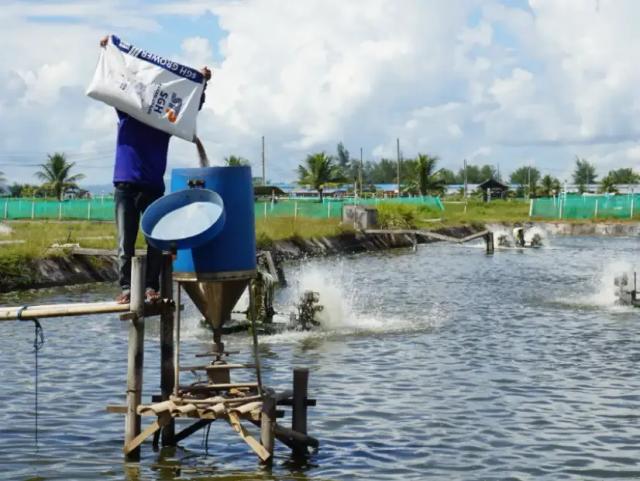
- Feed Management: Feed is one of the largest cost components in fish farming. Therefore, the right feeding strategy heavily impacts farm productivity and efficiency.
- Water Quality: Parameters such as dissolved oxygen, temperature, pH, and water currents must be monitored regularly to maintain optimal environmental conditions.
Initial Capital and Setup Costs
Before starting a Floating Net Cage business, farmers need to understand the required investment components. Generally, capital is needed for:
- Cage construction and floats
- Aquaculture nets
- Anchoring and mooring systems
- Fry procurement
- Feed for one full farming cycle
- Operational and labor costs
The choice of construction materials such as bamboo, wood, or HDPE (High-Density Polyethylene) will affect the initial investment size and the lifespan of the farming facility. Because of this, it is crucial to align investments with the business scale and long-term development plans.
The Importance of Feed Management in KJA Farming
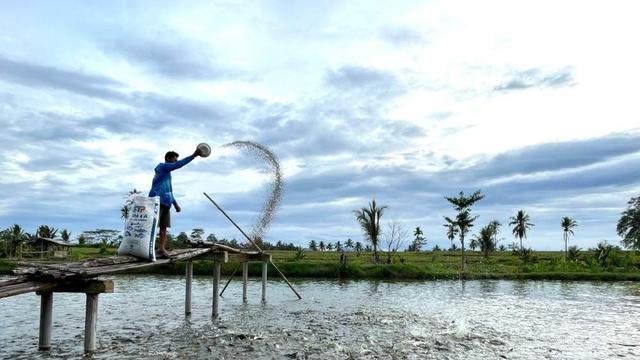
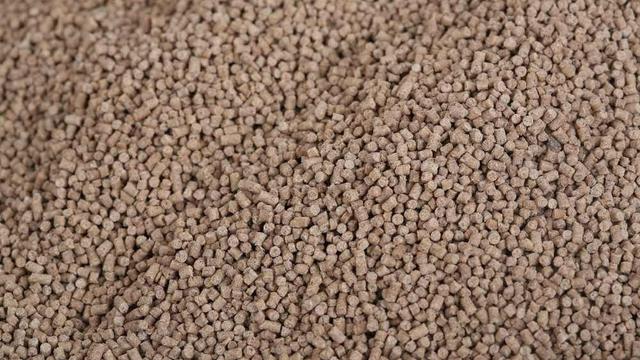
In fish farming, feed plays a pivotal role in supporting growth, health, and production efficiency. Using the right Pakan Ikan Budidaya that matches the fish's requirements can boost farming performance while optimizing feed usage.
Aside from prioritizing feed quality, farmers must also adjust the feeding amount and frequency based on the fish's growth stage. This approach helps maintain feed efficiency while reducing the risk of water quality degradation caused by uneaten feed.
Tilapia Feed Strategies Based on Growth Stages
For tilapia farming in Floating Net Cages, the fish's nutritional needs will evolve as they grow.
- Fry Phase: In the early stages, fish require higher nutritional inputs to support tissue and organ development. Small-sized feed with an appropriate protein content is the primary choice.
- Nursery Phase: Entering the nursery phase, fish growth accelerates, meaning nutritional intake must be sustained to support optimal development.
- Grow-Out Phase: At this stage, the main focus is efficiently increasing the fish's body weight. Using the appropriate Pakan Ikan Nila supports growth while keeping feed utilization highly efficient.
- Pre-Harvest Phase: As harvest approaches, good feed management helps yield a more uniform fish size and overall better harvest quality.
KJA Farming Risks and How to Manage Them
Every farming venture carries risks that must be anticipated, and Floating Net Cage systems are no exception. Common risks include:
- Extreme weather changes
- Deteriorating water quality
- Upwelling in lakes or reservoirs
- Disease outbreaks
- Market price fluctuations
To minimize these risks, farmers must implement routine water quality monitoring, maintain stocking densities within the environment's carrying capacity, and enforce strict farm management disciplines.
Integrated Aquaculture Solutions from STP
Farming success is never determined by a single factor. It requires a solid combination of high-quality fry, proper feed management, a well-maintained environment, and continuous technical support.
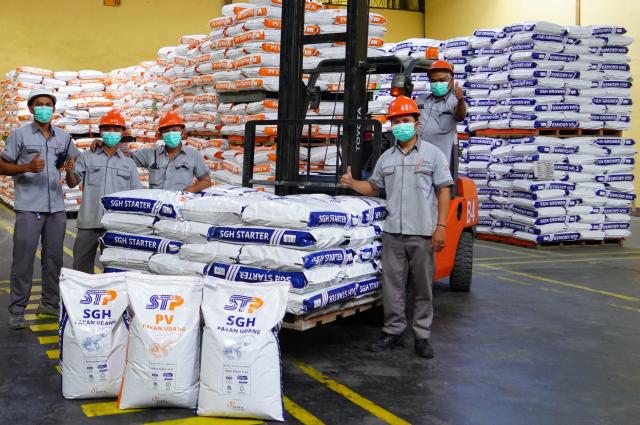
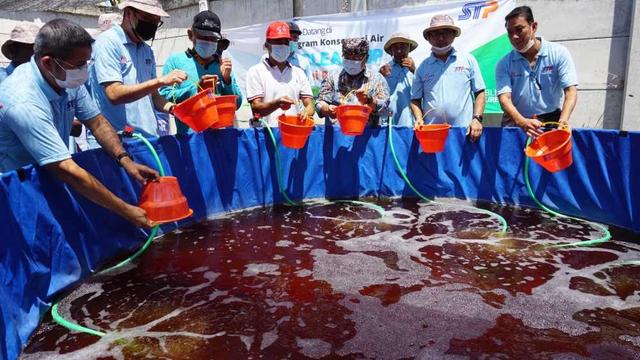
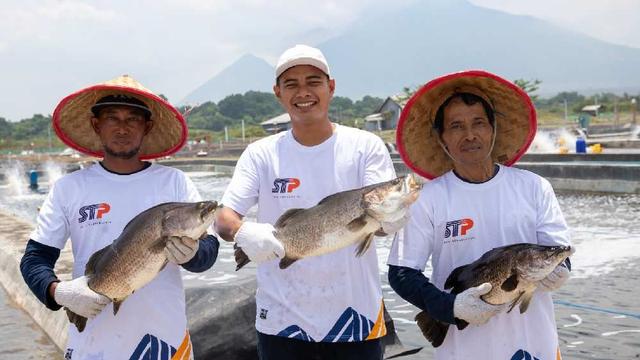
As an integrated aquaculture company, STP provides various solutions to boost farmers' productivity through Pakan STP products, specifically designed for different growth stages and commodity needs.
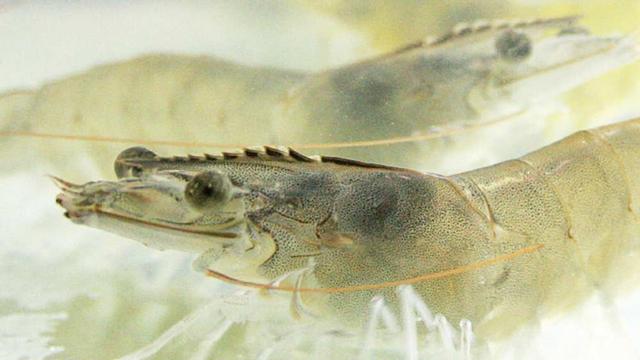
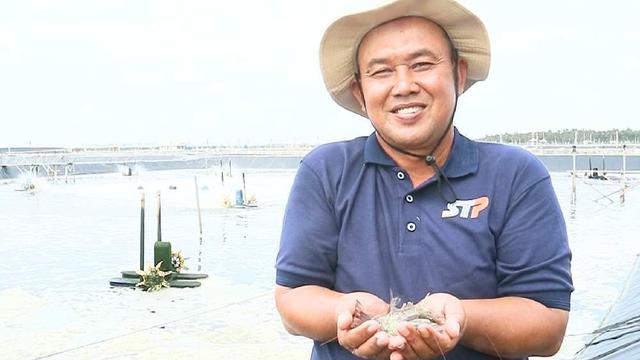
Beyond providing Pakan Ikan Budidaya and Pakan Ikan Nila, STP also supports the shrimp sector with Benur Udang Vaname and Pakan Udang Vaname solutions, alongside various technical assistance programs to help improve the success of Budidaya Udang Vaname in Indonesia.
By applying good farming practices and utilizing the right support solutions, farmers can build a more productive, efficient, and sustainable aquaculture business.